The invisible line between past & present

To start in a biblical way : in the beginning (of my photographic journey), there was…me and a lot of mess bubbling around.

The other day I rediscovered this video while surfing the web (it is a succession of pictures from my early portfolio). I remembered it, although I hadn’t seen it for ages.

When I came to photography, I was moved by good intentions and was stubbornly determined to achieve decent results. However it can be said that, at that time, my ideas were totally unclear. Lots of grey clouds were running around in my head. I enjoyed hanging around, carrying the camera in my hands but had no clue what subjects to choose and to work on or with & what direction and shape should be given to my work.

Comparing past & present, inevitably reveals a quick self-assesment and after that, I see myself as I am now. And I whisper : “Oooh”. This “Oooh” implies both positive & negative feelings & prerogatives. Looking back at my early work stage, the first photos I took, make me smile (this is a positive, tender feeling) because I realise the improvements, the step-forwards that have been made, both from a technical & knowledeagble point of view, but also considering the development of a vision, of a more stable, defined and consistent line of approach to photography.

On the other side, I almost feel “embarassed” with these shots. They seem so naive, unprepared, unspecial. Like thrown out by accident. Luckily I have understood that these kind of thoughts are self-defeating.

I am a strict judge of myself and my work. I am my own worst enemy. But I have learnt from experience. This tells me that persevering is positive, only if it is of help to develop our self-consciousness. We need to be self-conscious, this is fundamental to our growth and is the key to self-confidence, this can make us stronger. After this step, my true values are humility and the will to act in a honest way, to express a concept about myself that is true.

We are the result of genes, upbringing and what we have experienced. We are a “line”, a connection between past and present. But I would add that we are also a series of elaborations, tries and processes that we imposed on ourselves. We did it because we wanted to grow and to improve. We are a living process, we are a stream. We cannot deny ourselves and our past expressions.

In all that I do, there is a search for love. Photography has, for me, been a healing process and a blessing, it has rescued me in so many ways. It has encouraged, strenghtened and fired me up to do something that I love. It has opened doors by exchanging ideas with other people. It is a great form of communication..

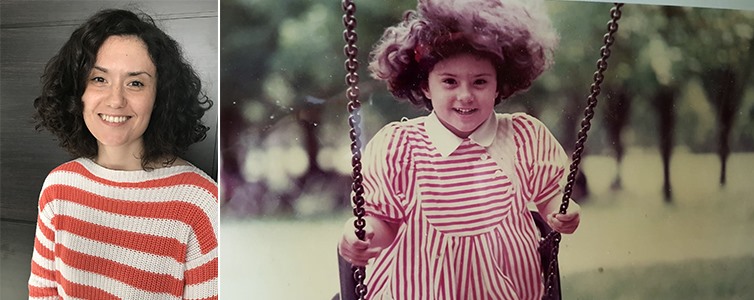
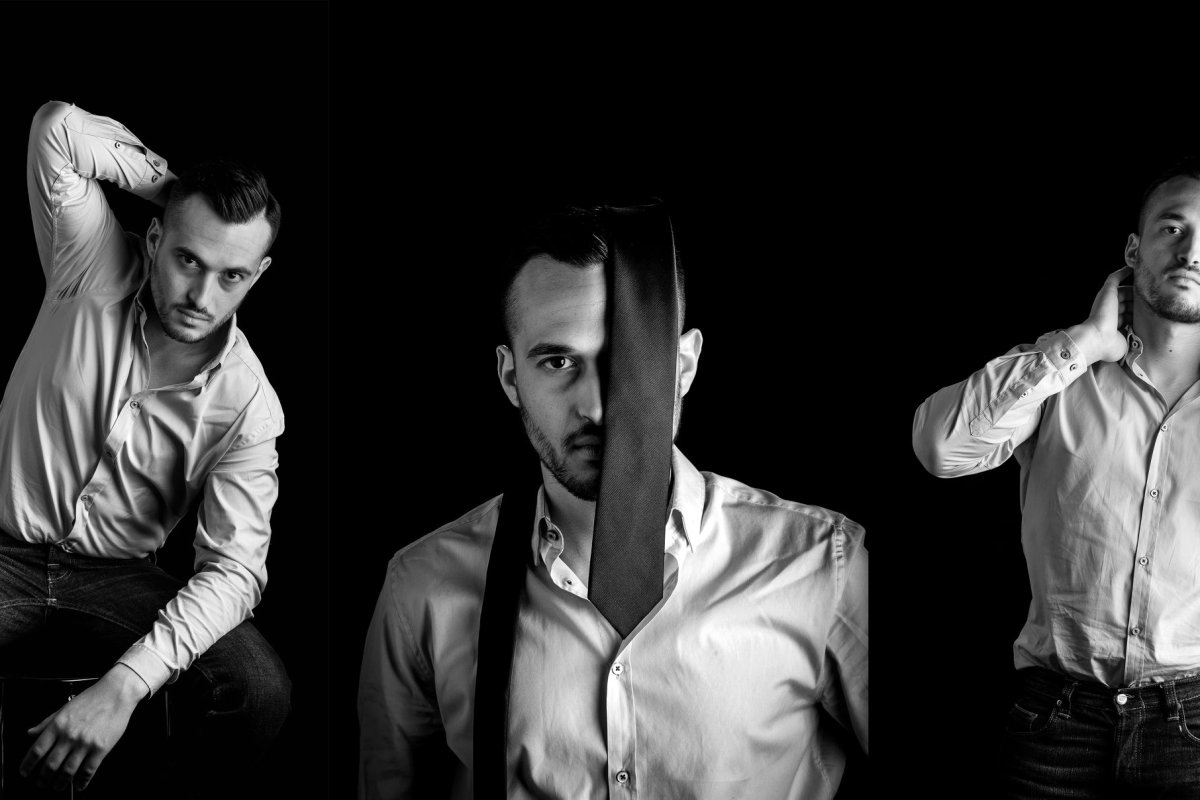
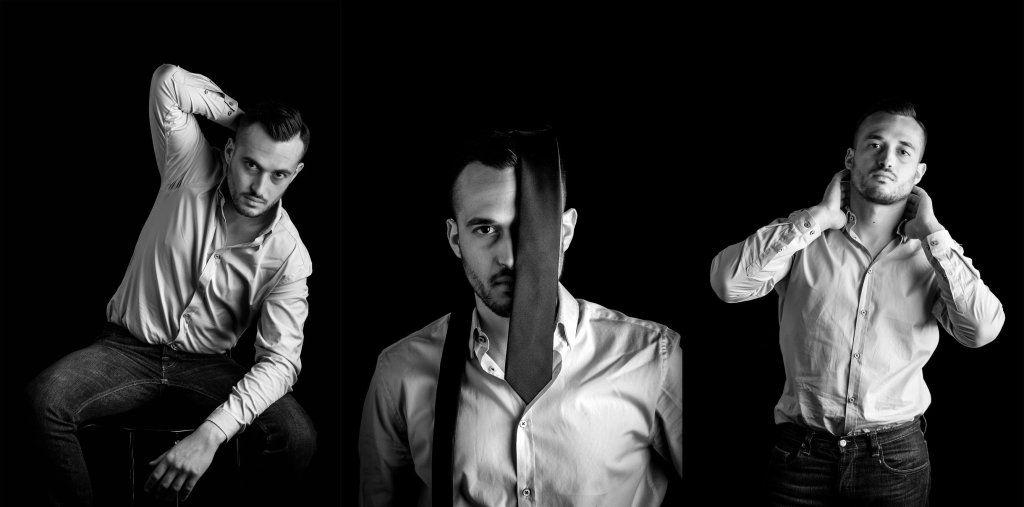
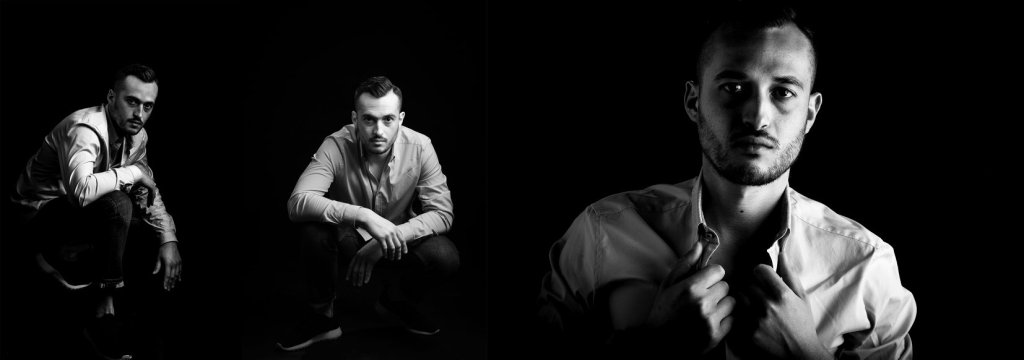
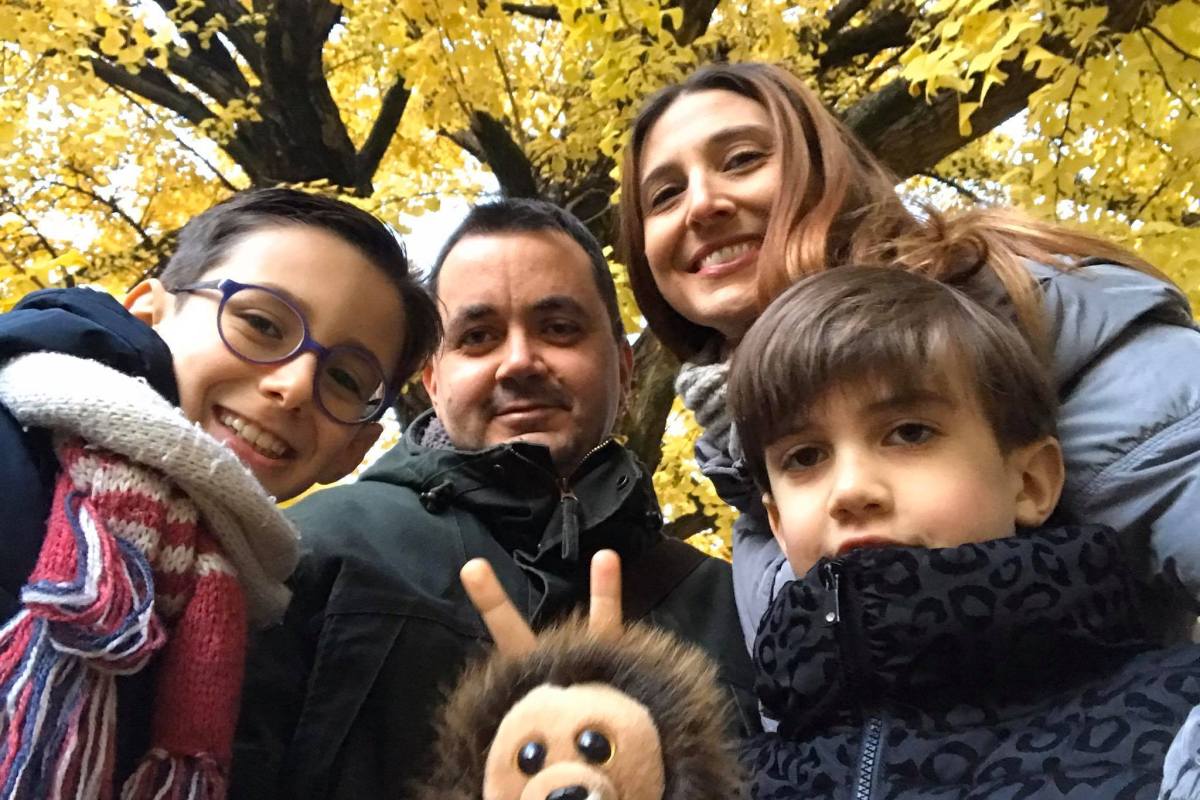
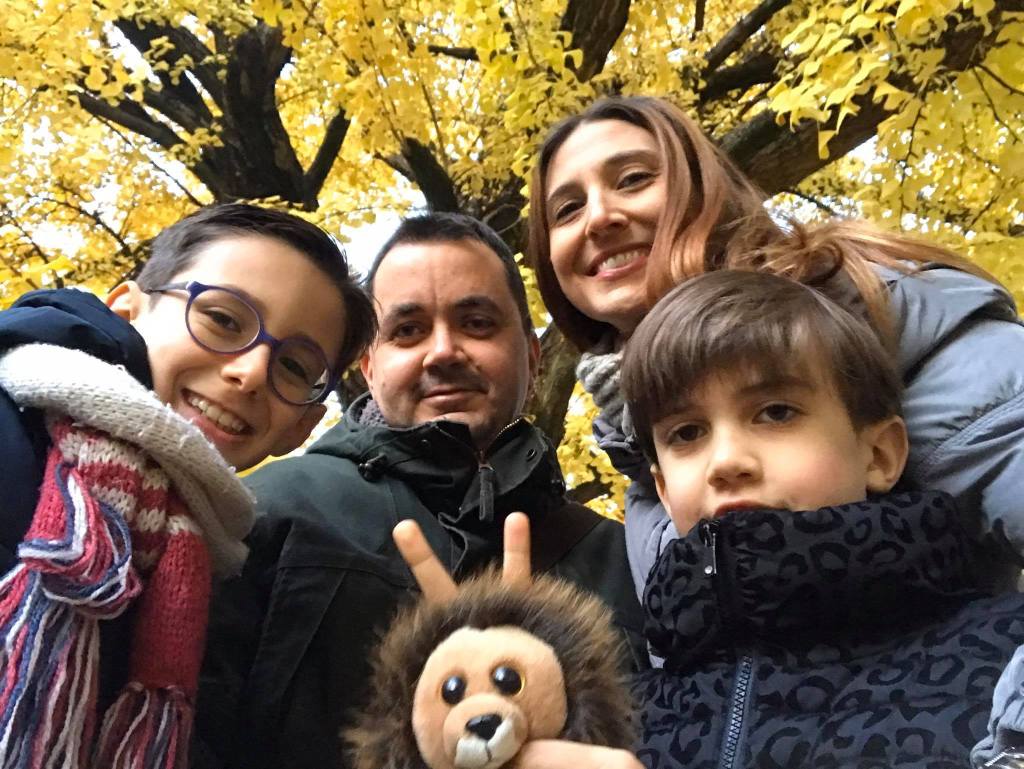
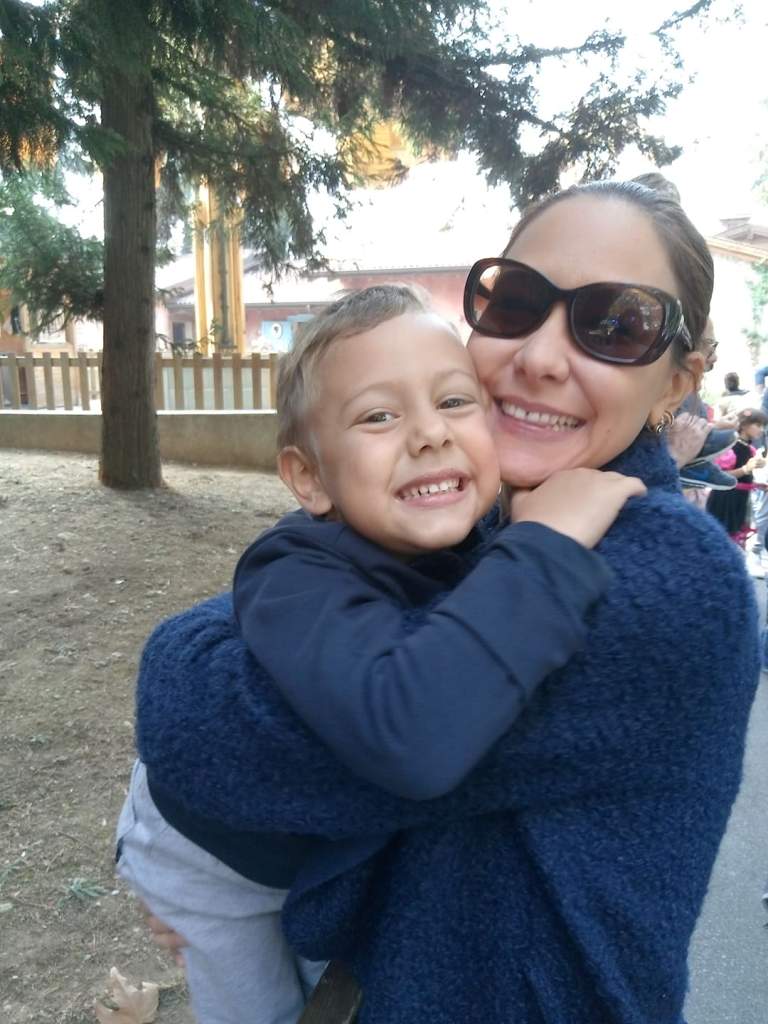
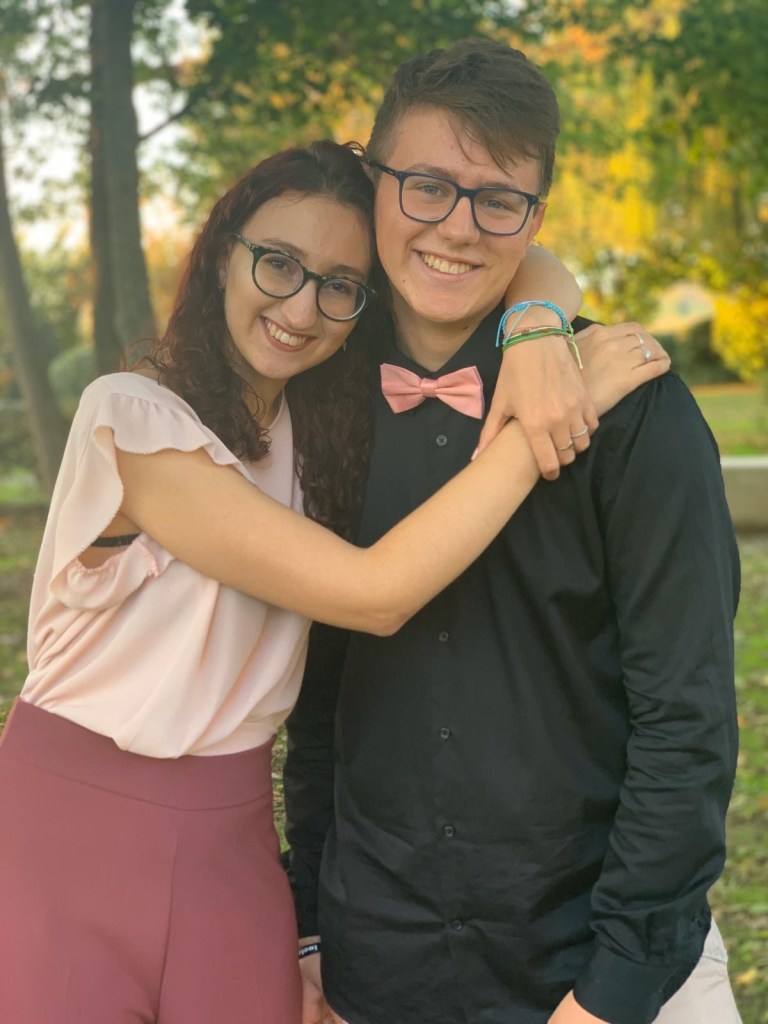
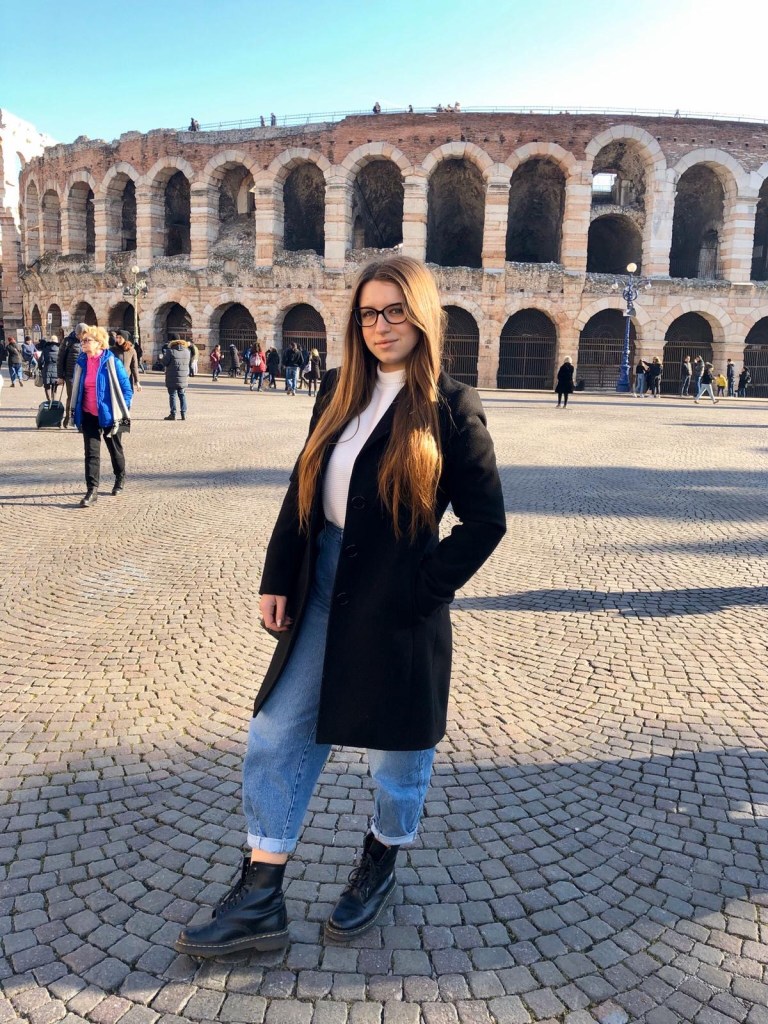
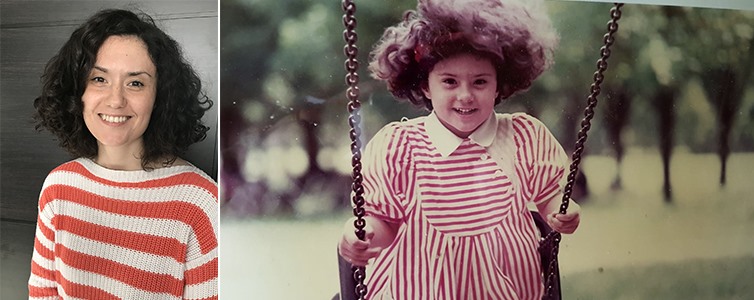
Watching this video, brings back memories of those who encouraged me in my quest and I have included below (see pictures!) some of those who helped me through my initial struggles. They are a part of my journey and my life. I thank them all dearly!

To where is our visual intelligence moving?
One of the questions I asked myself, when I first started photography, was : “Why do some pictures easily capture our attention and stay in our mind while others are just labelled as banal and dull?”.

I realised that a photo is a relationship between the subject(s) and the surrounding space. The unicity of an image, apart from what can be its meaning or the sentimental value carried in it, is based on the spatial disposition of the subject(s) and how they appear in space. Maybe even more than the “What” is important the “How”.

I never liked maths as a subject at school. It has always been ditchwater for me. As my mother would say with regret, I am a “literate spirit”, without doubt. I knew that in photography the setting of the subject(s) is a vital element because our attention needs to be brought to a specific point. So when I started taking pictures, I feared that a lack of “geometrical sense” might be a handicap or a devalue when it comes about to prepare a shot and to take a portrait, for instance. But I eventually understood that I had confused “numerical” with “geometrical” and the two things are not the same.

In photography as well as in other fields, I consider myself a traditionalist but on the other hand I am not scared to experiment and I don’t dislike the lopsided, the wonky, the asymmetrical and the unbalanced.

The key is that our eyesight is selective in the way it sees what is around us and photography has rules that are quite clear about symmetry and geometry in a composition (for instance the rule of thirds, the positioning of the subject, the use & choice of light) and you can get yourself into trouble when you break the rules or take “extreme” shots. You can have fun and achieve success taking unbalanced shots but you will raise lots of criticism and somehow the eyes may not agree on the final results. Our visual pleasure needs to be satisfied by what is perceived as a positive equilibrium of the elements.

It shall also be added that we constantly live under rules of fashion that are changing. Talking specifically about portraits, I remember about 10-15 years ago, there was this tendency to cut the lines in a picture obliquely, to give a different shape to the subject, to look for a new perspective. At that time this looked so innovative and energetic. Now this trend is almost over. We are trying now new dirtections.

Having an original approach to the form to be given to the image is appreciable but, at the end of the day, our eyes are looking for a “peace of the senses” when we look at something. There are rules that need to be respected, a logical sense and discipline, in order to avoid to be kicked out of the game.

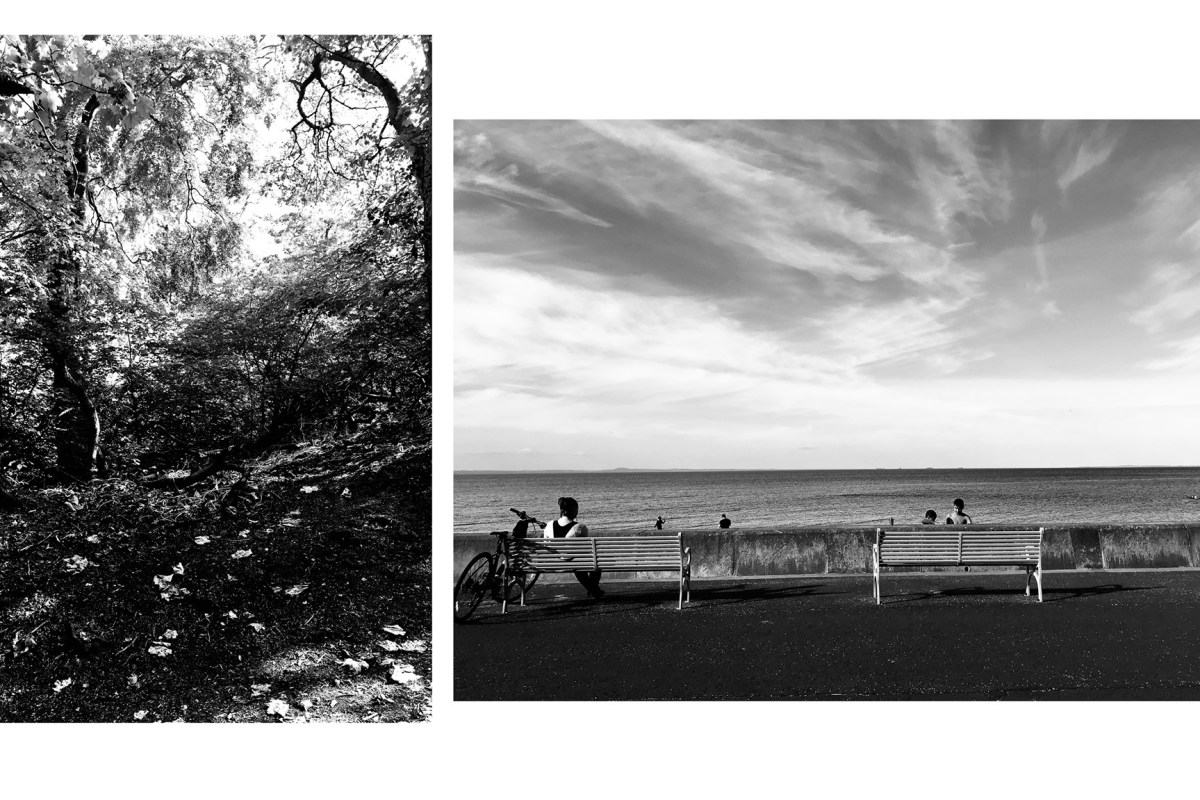
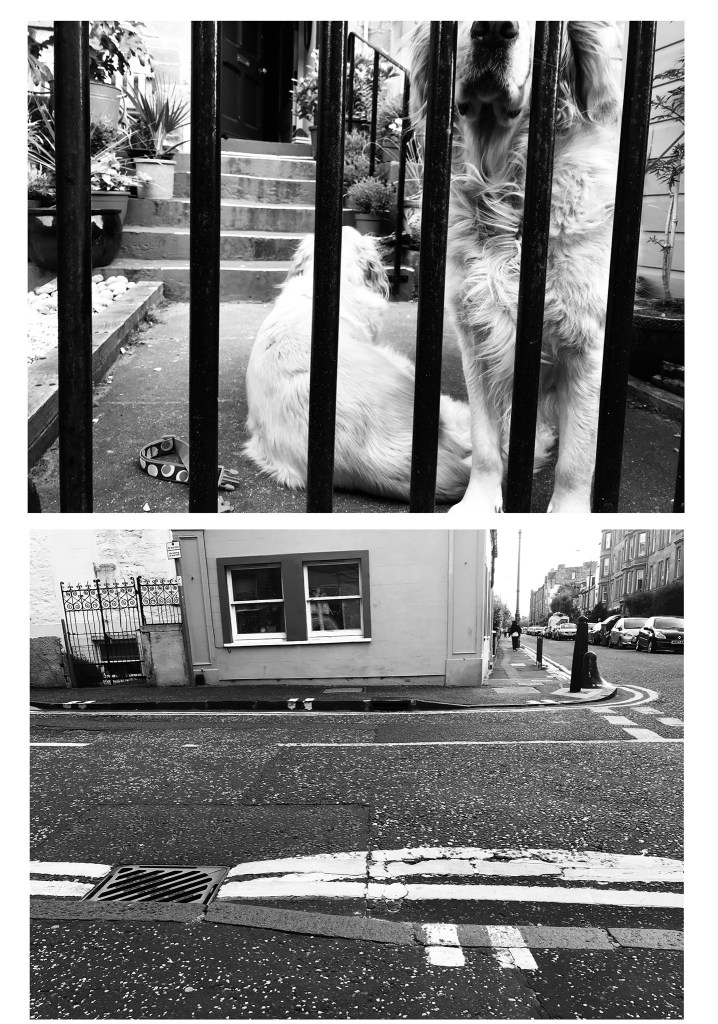
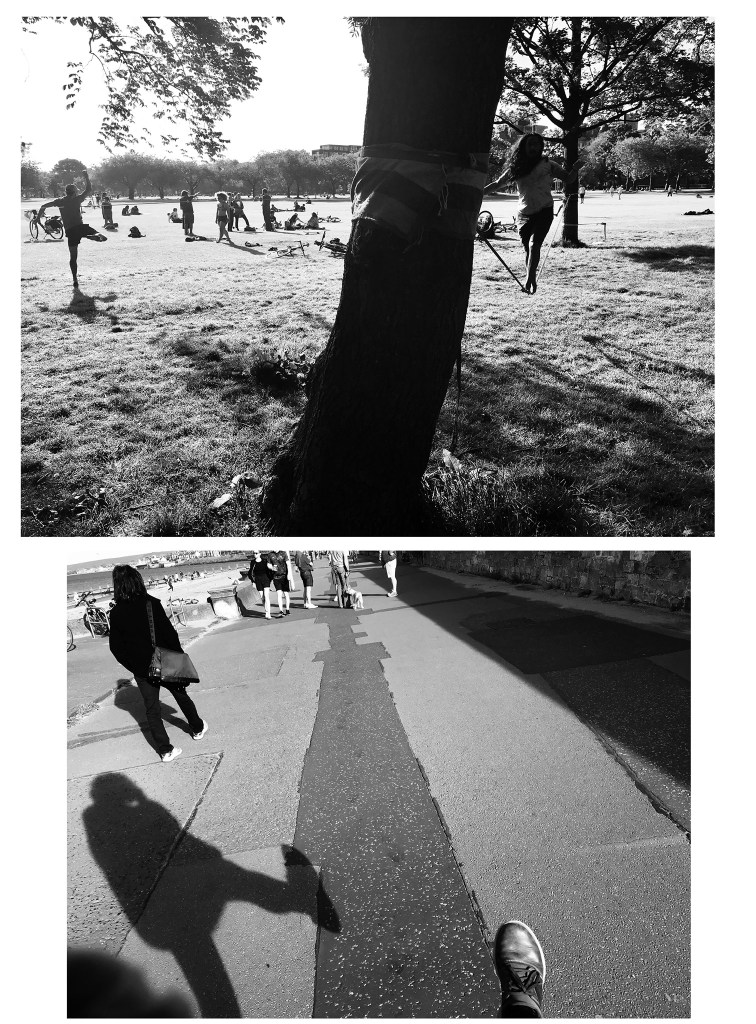
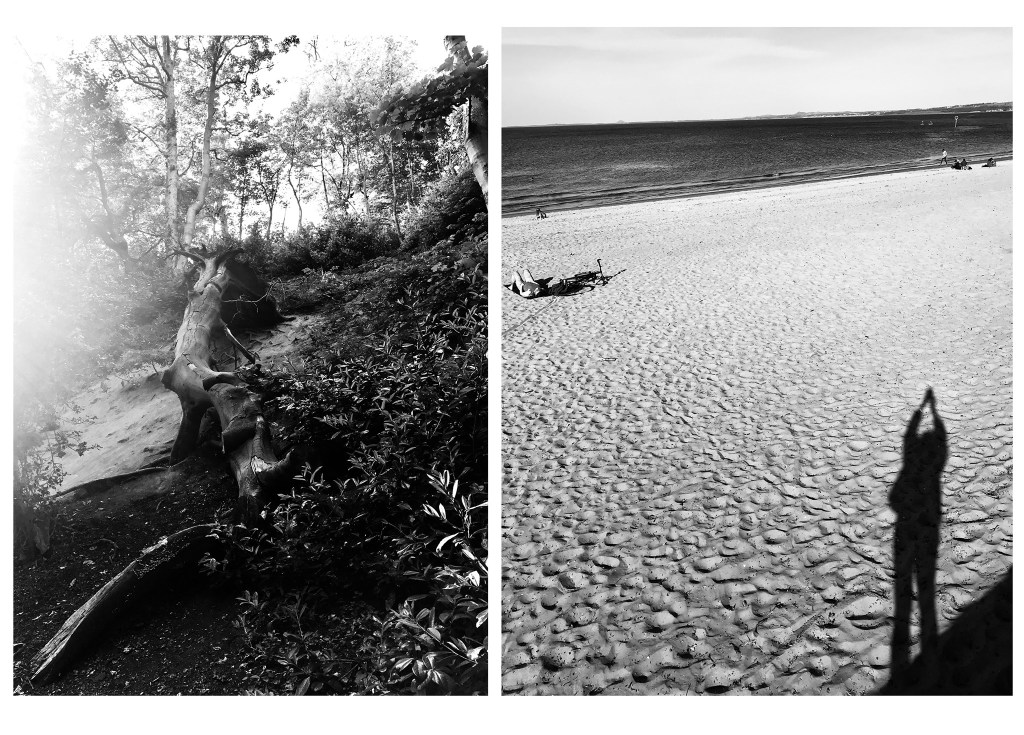
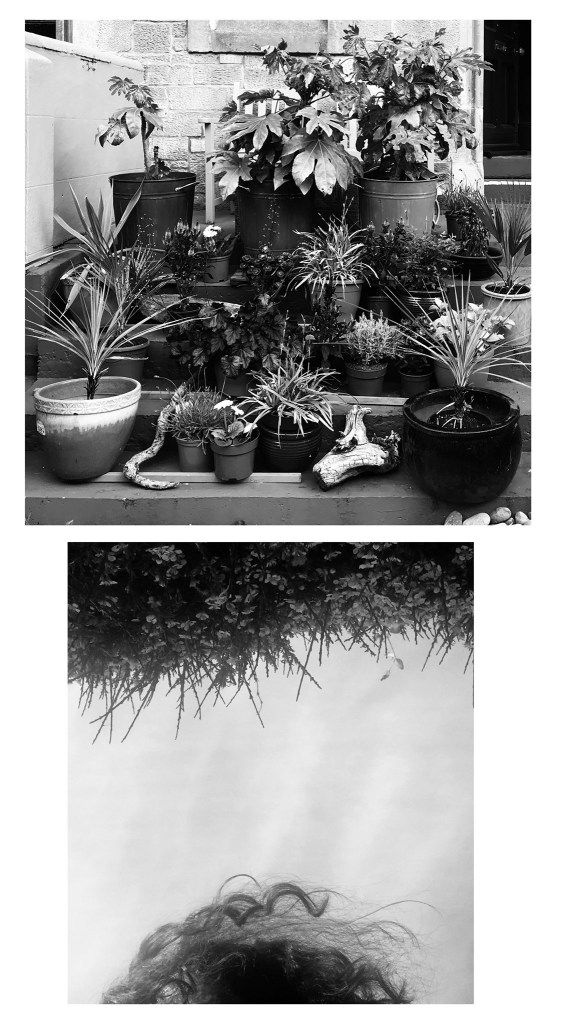
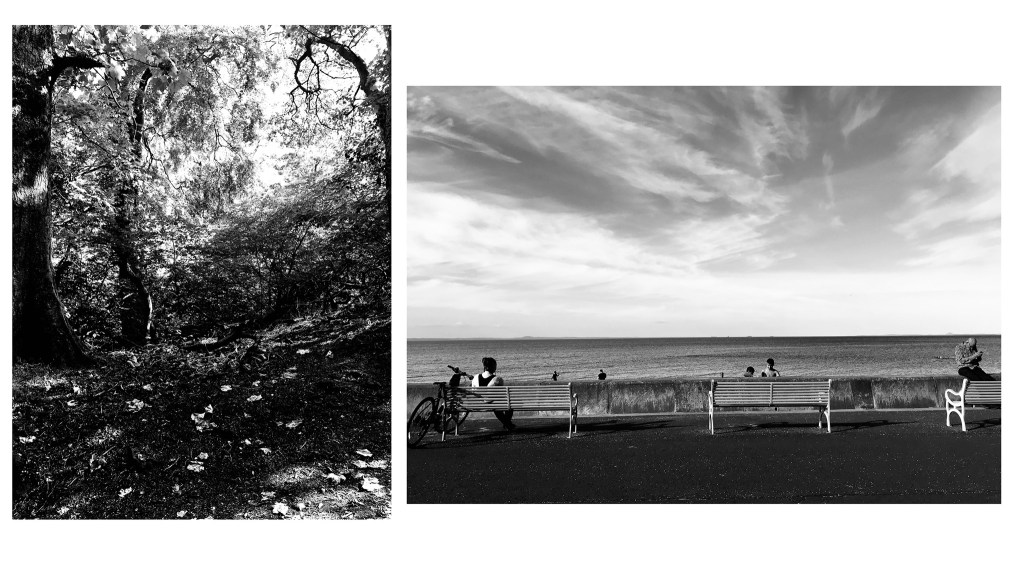
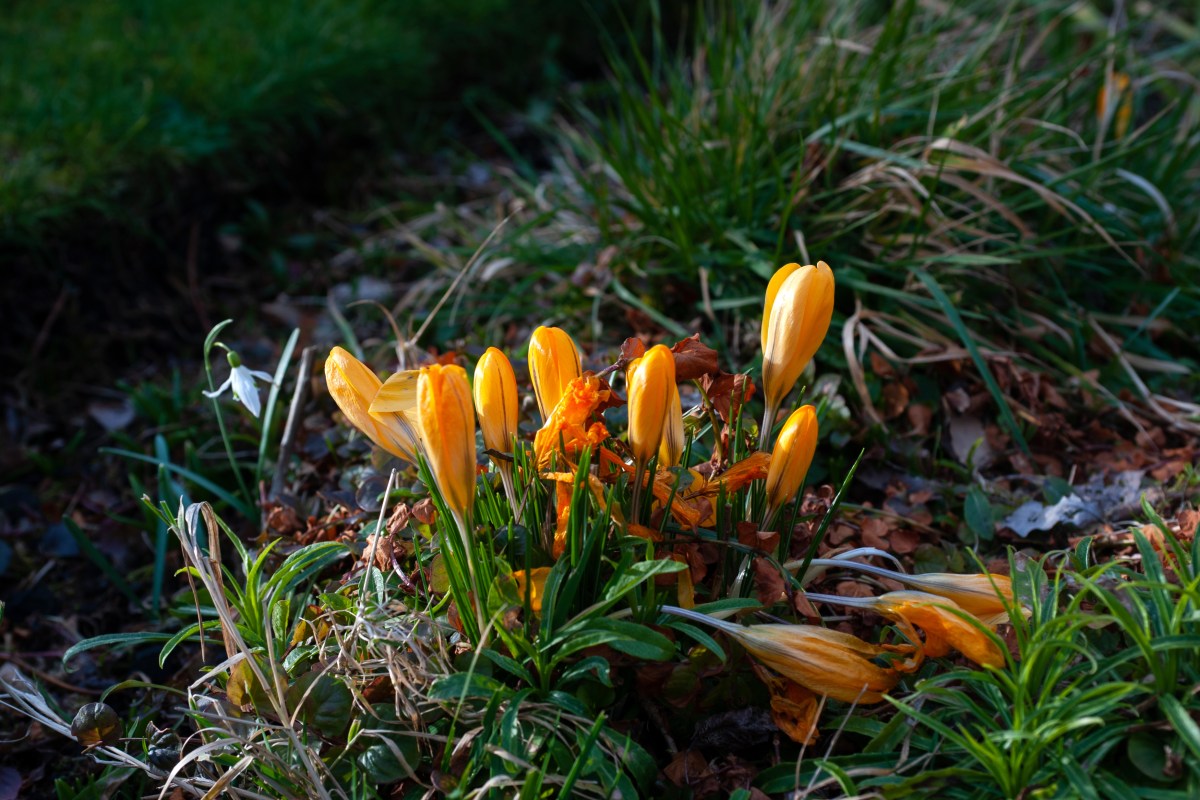
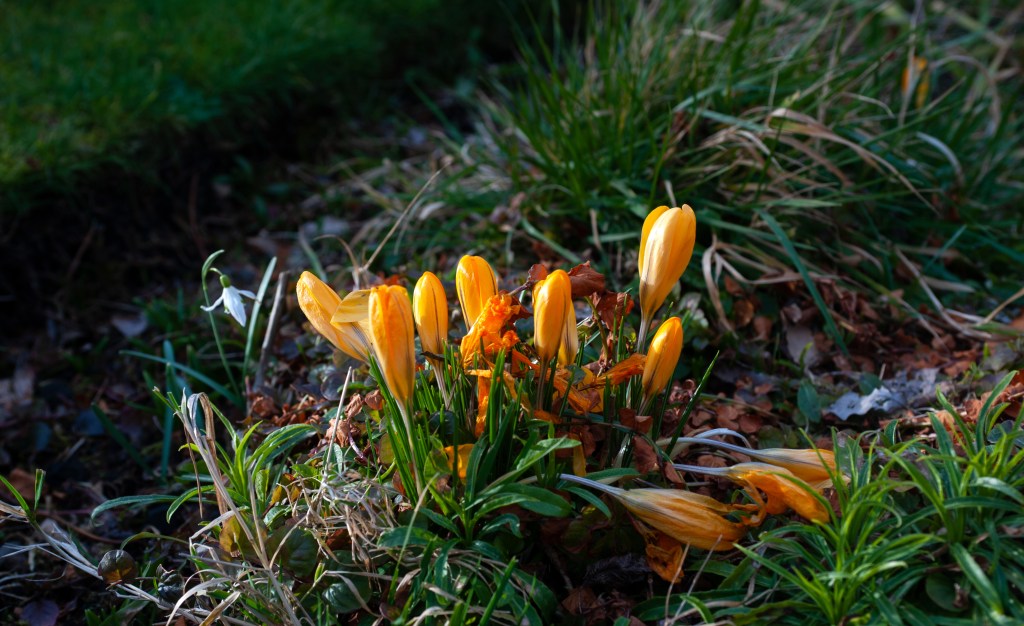
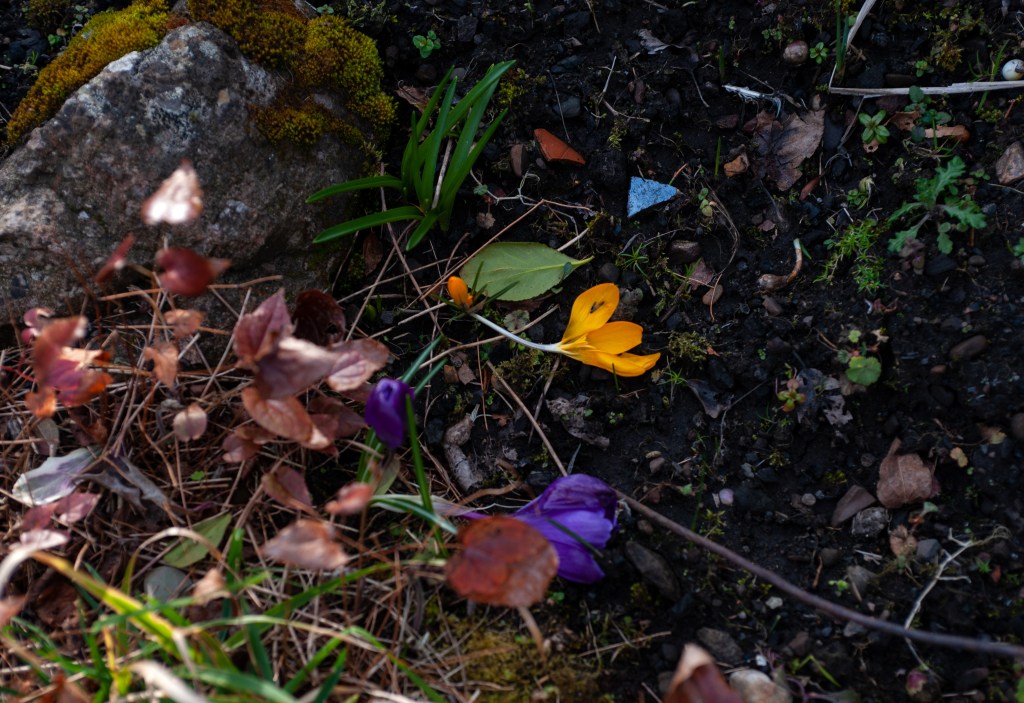
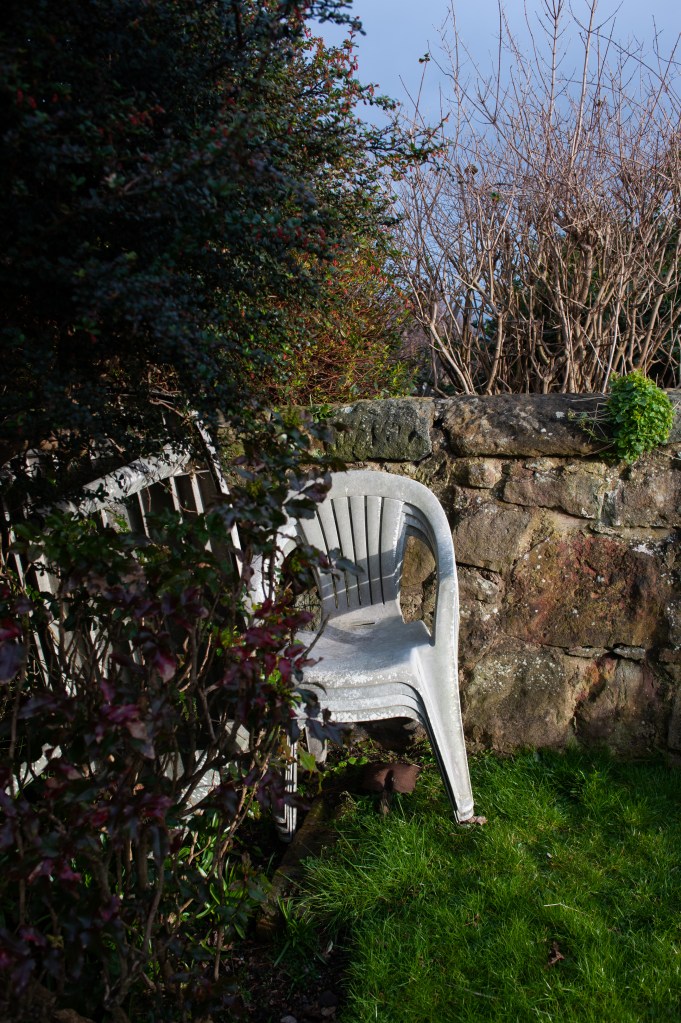
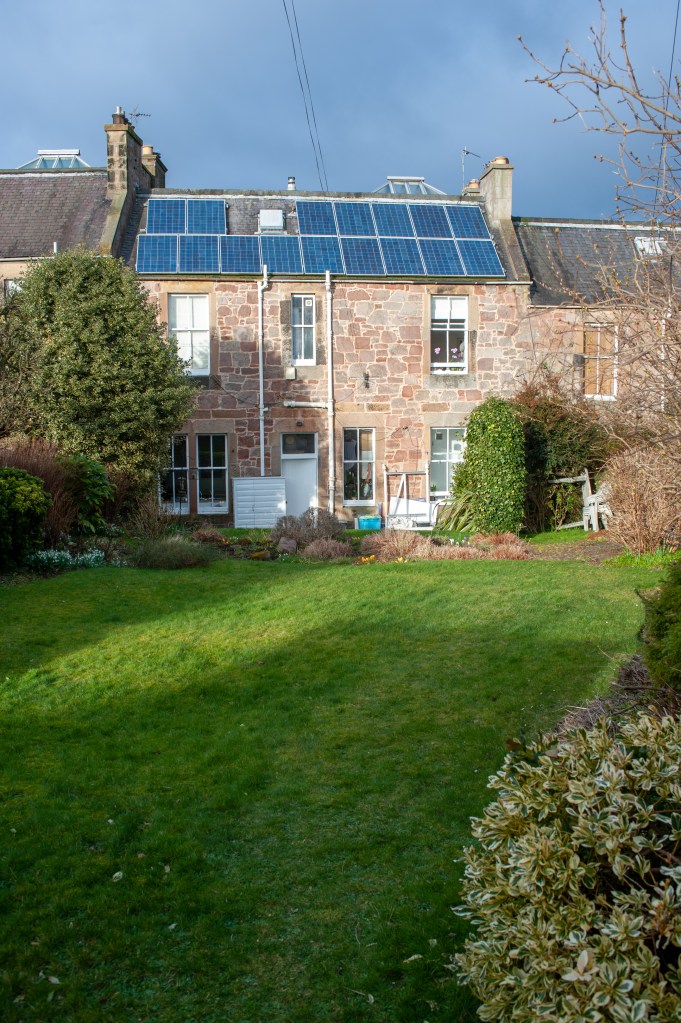
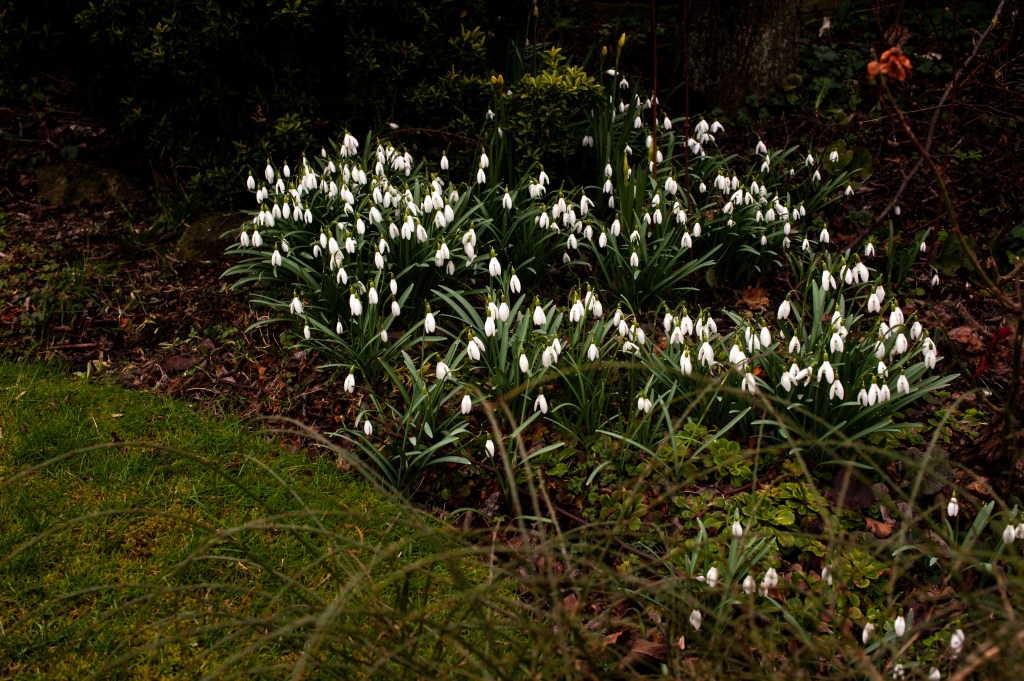
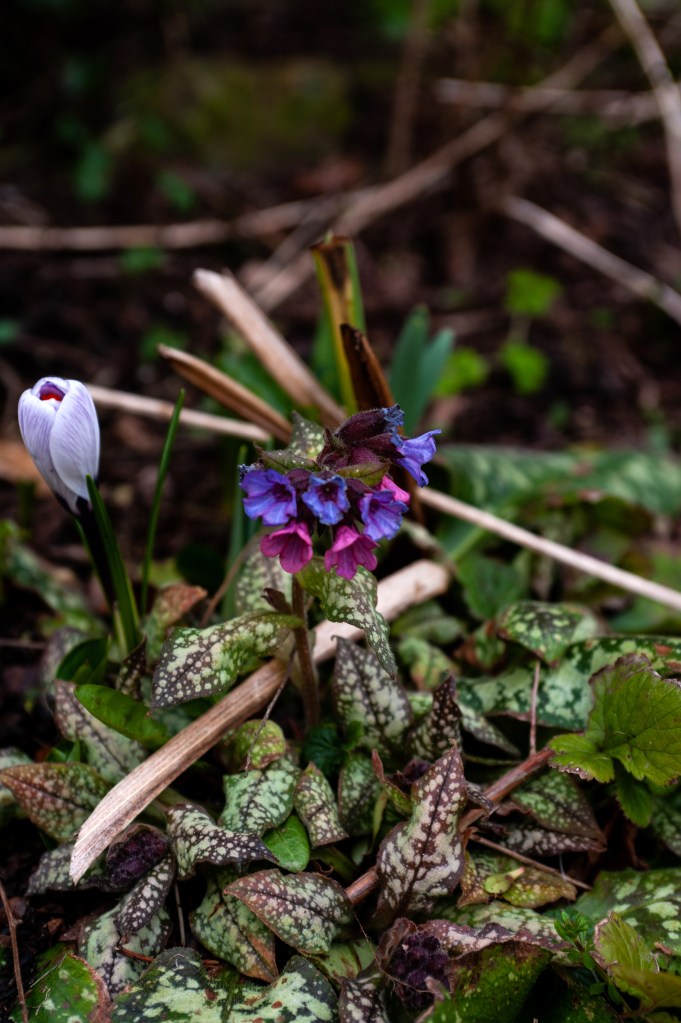
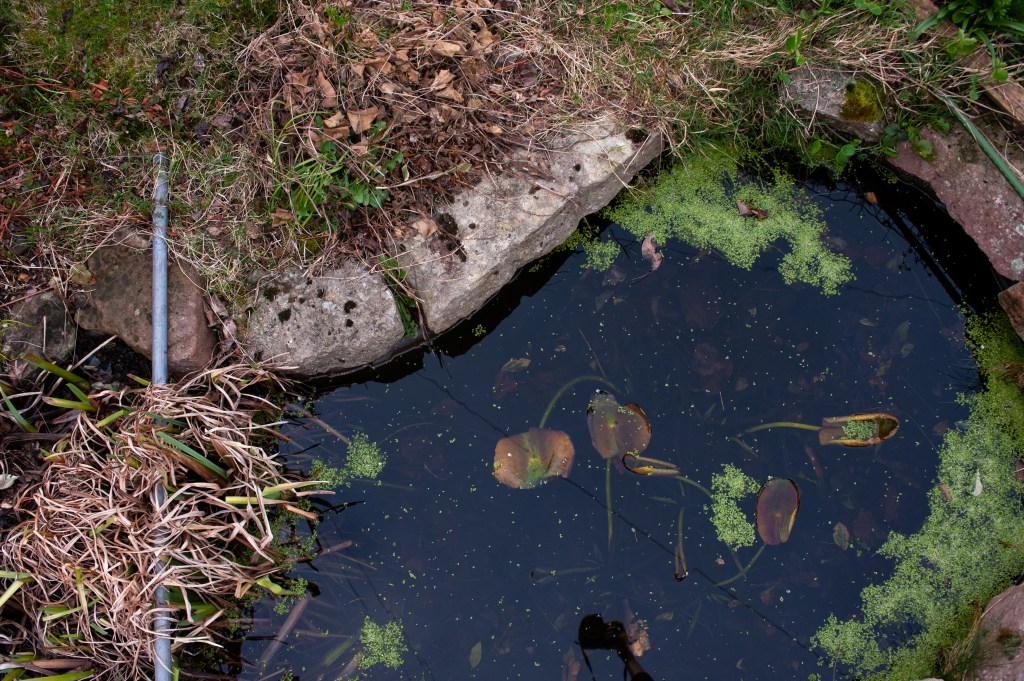
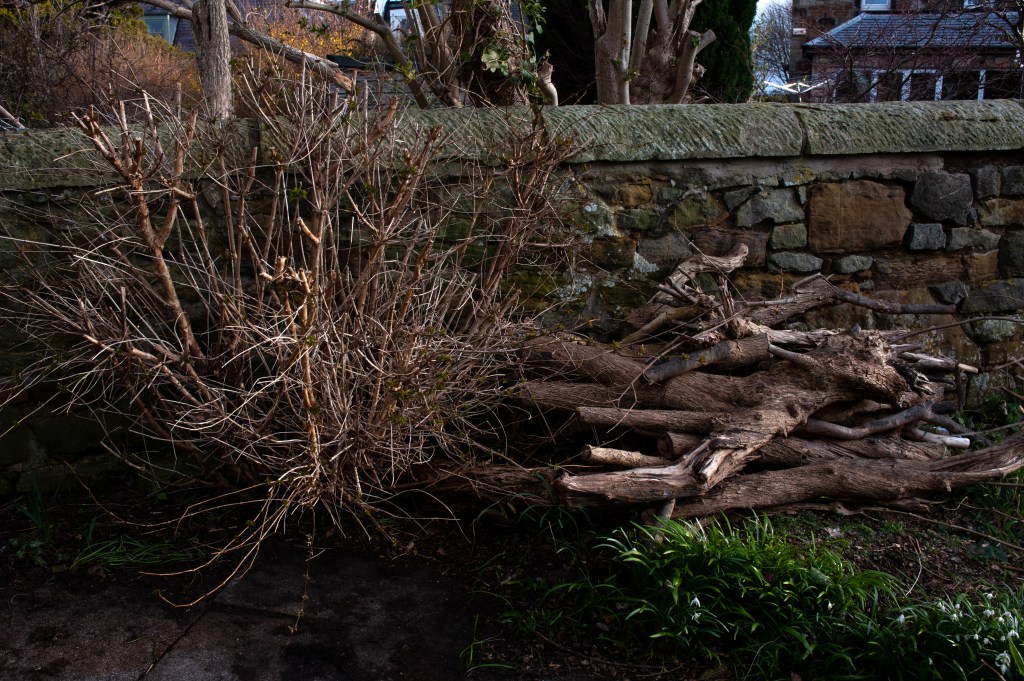
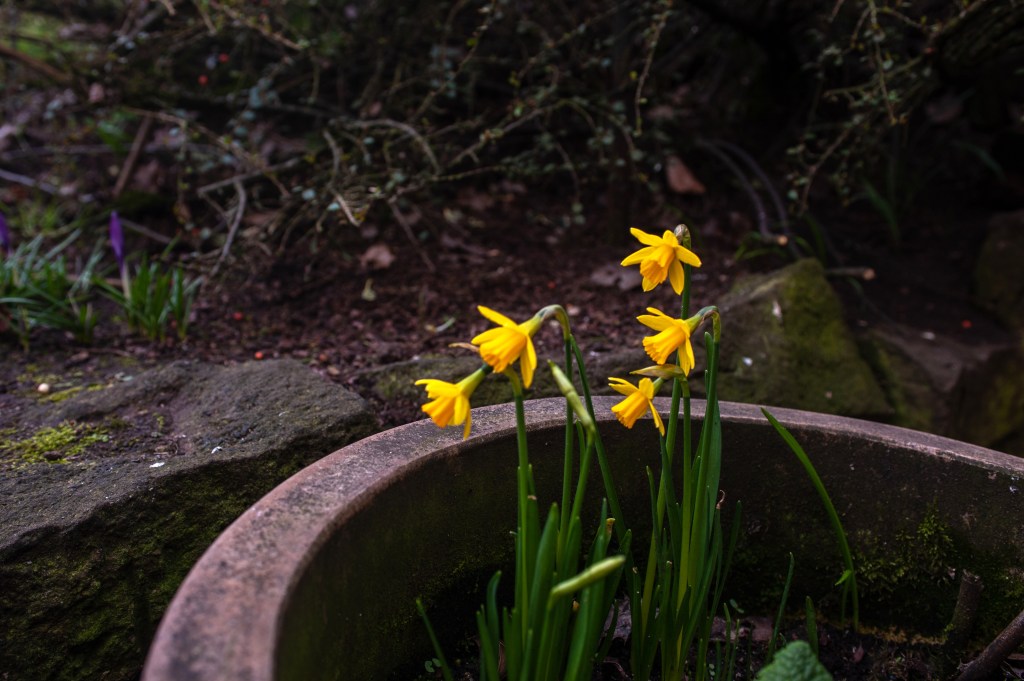
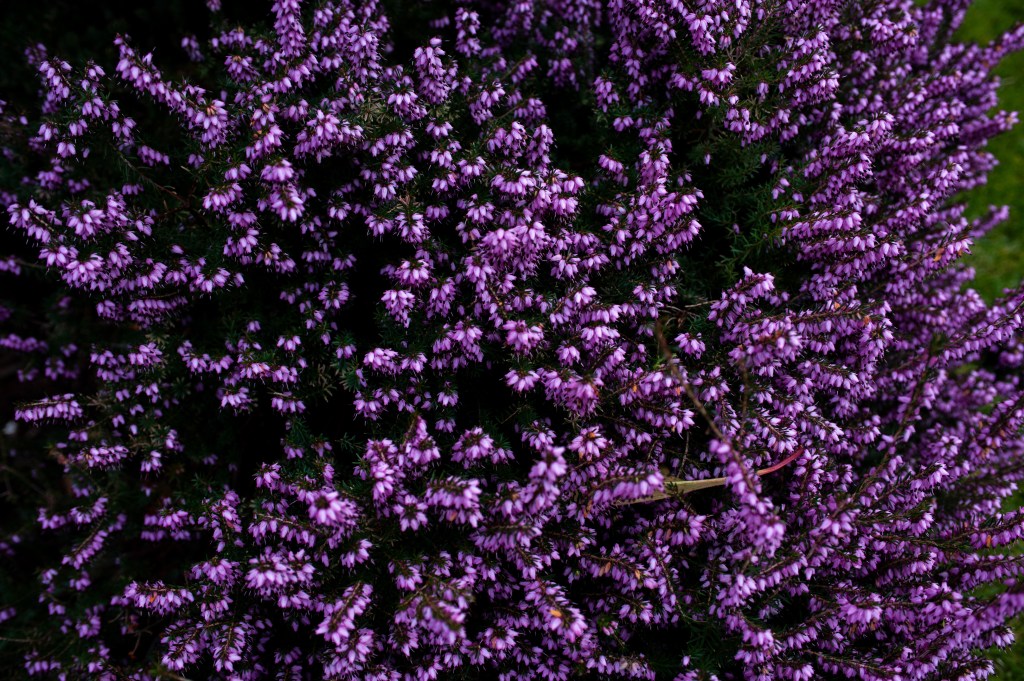
To finish this article, I am attaching below a beautiful, classic and symmetrical picture of one of my favorite photographers, Horst Horst (1906-1999), as well as some snap shots I took randomly with my mobile a few days ago in Edinburgh…

Remote photography [Parma > Edinburgh, 2020]

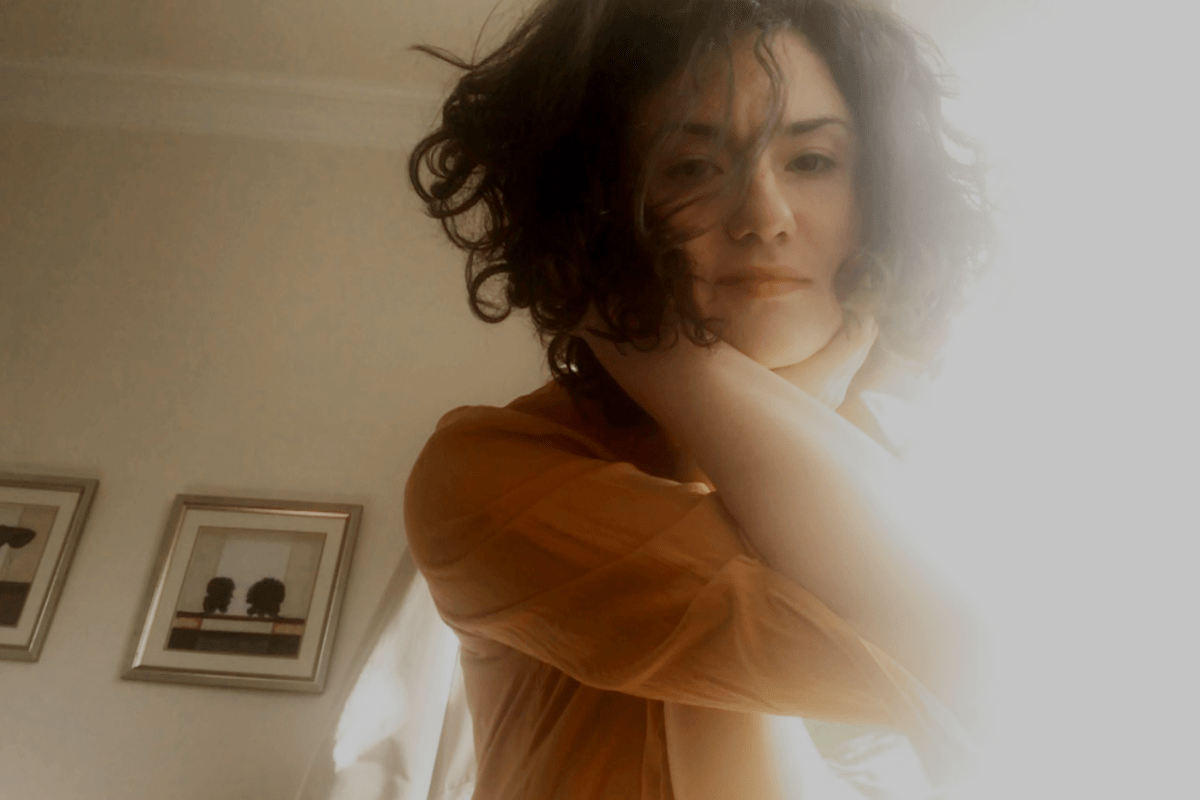
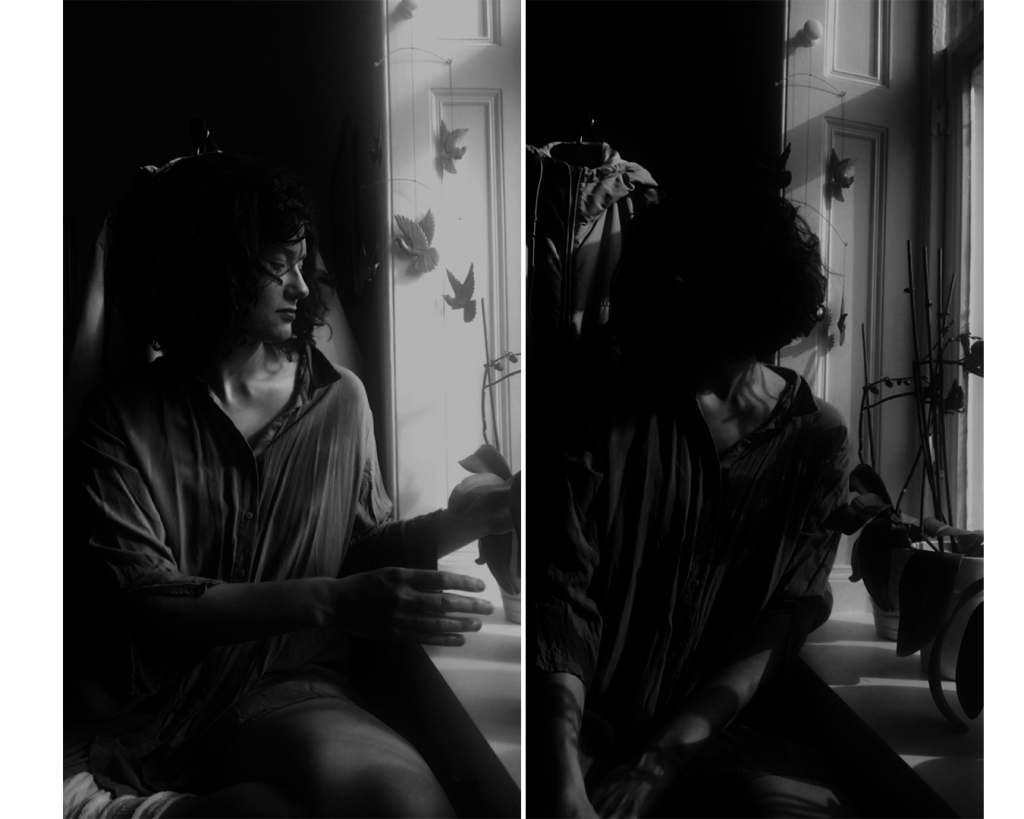
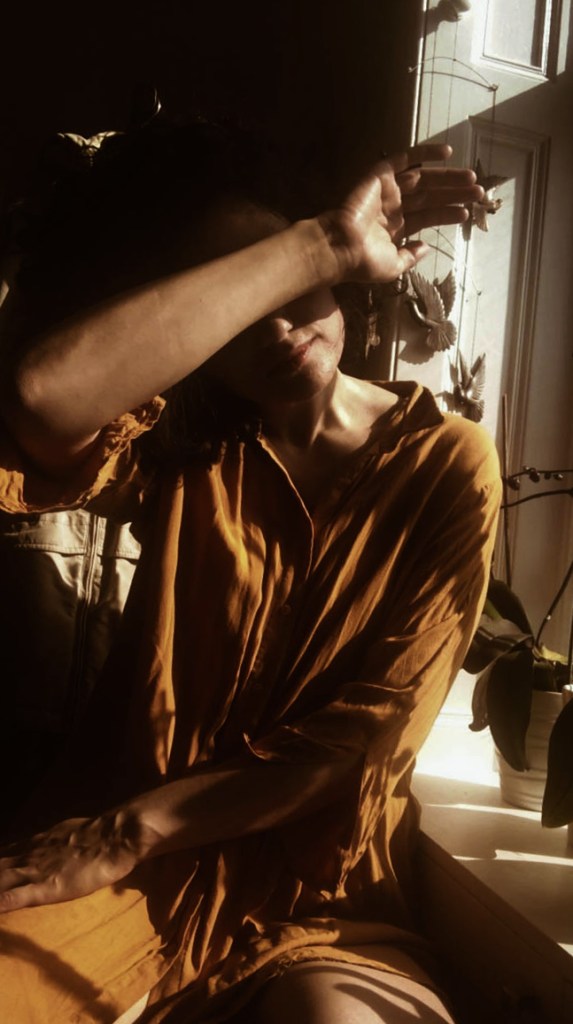
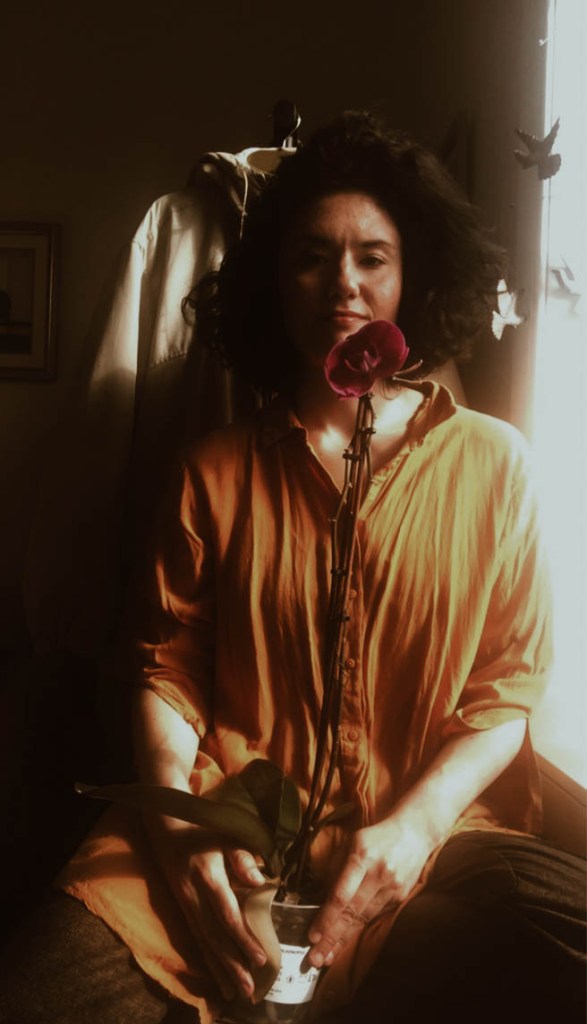
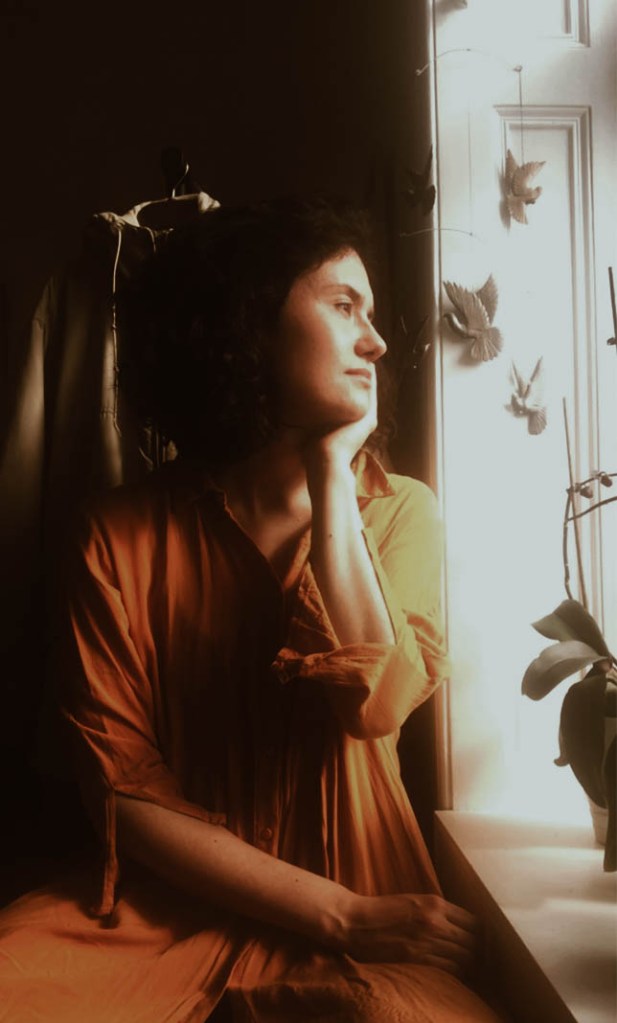
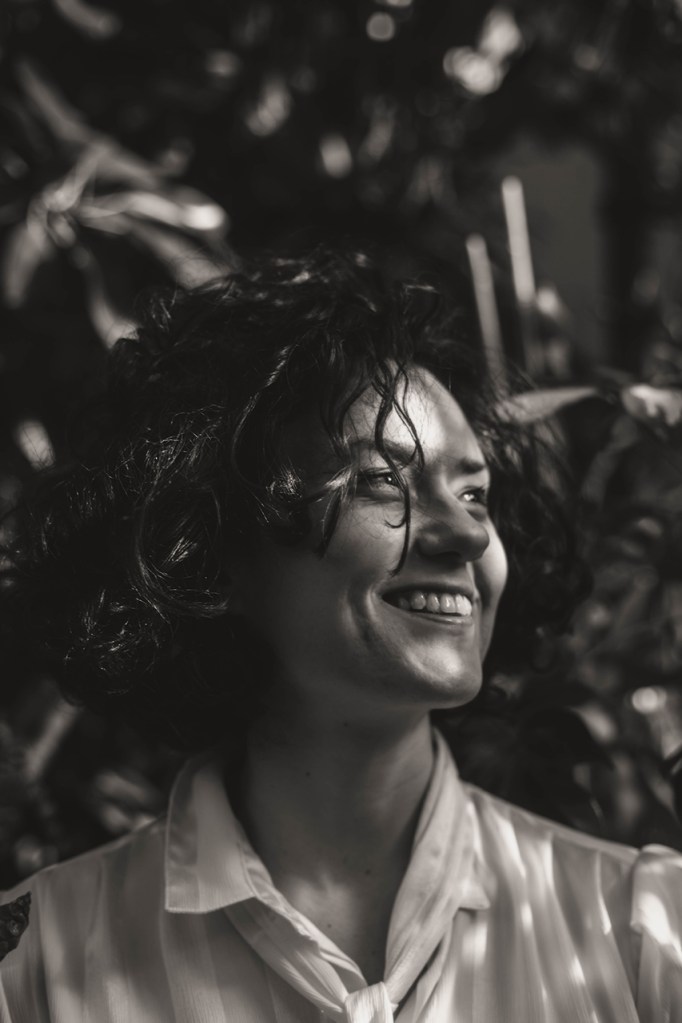
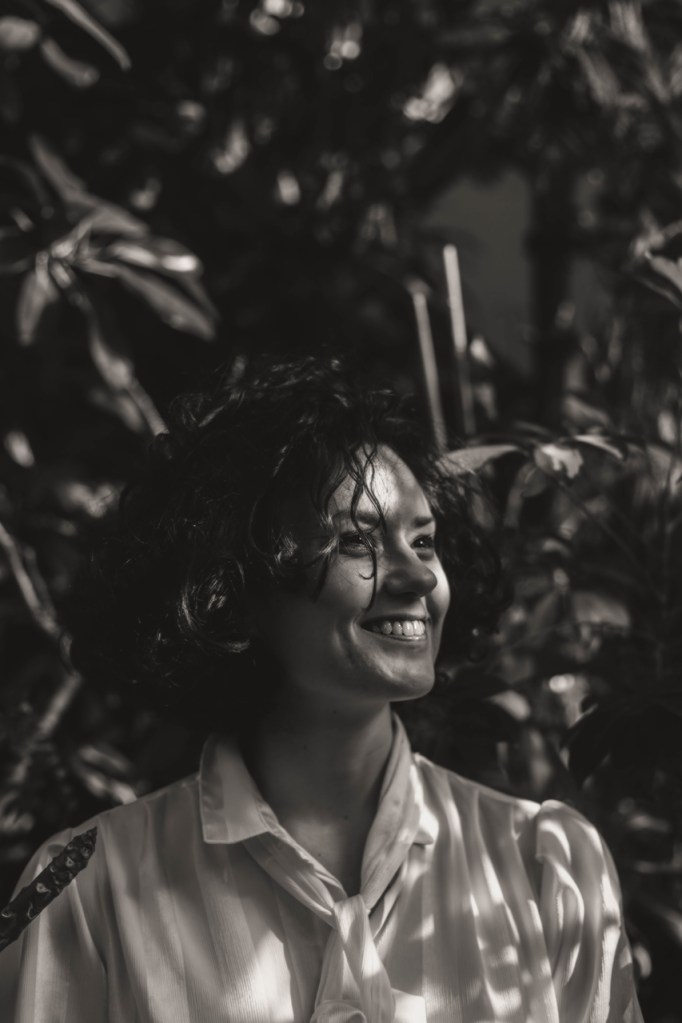
This is the story. There is a corner of my room that receives a beautiful contrasted light during bright mornings. Interesting shadows are created here and I can admire them for hours till the sun moves away.I already wanted to take a few photos here by myself.

Then I spoke with Maria and she mentioned having recently taken pictures remotely using her mobile. So I asked her if she wished to take my portrait and we gave life to a Parma / Edinburgh FaceTime photo session! It was not meant to be a highly professional or a “serious” experience but she had clear ideas on what she wanted and directed me well. At the end we were quite impressed by some good shots that were taken. It was weird to work together at a distance but was worth it!

Ph. Maria Buttafoco

Roots-images: why old photos are very much “alive” and give us strenght

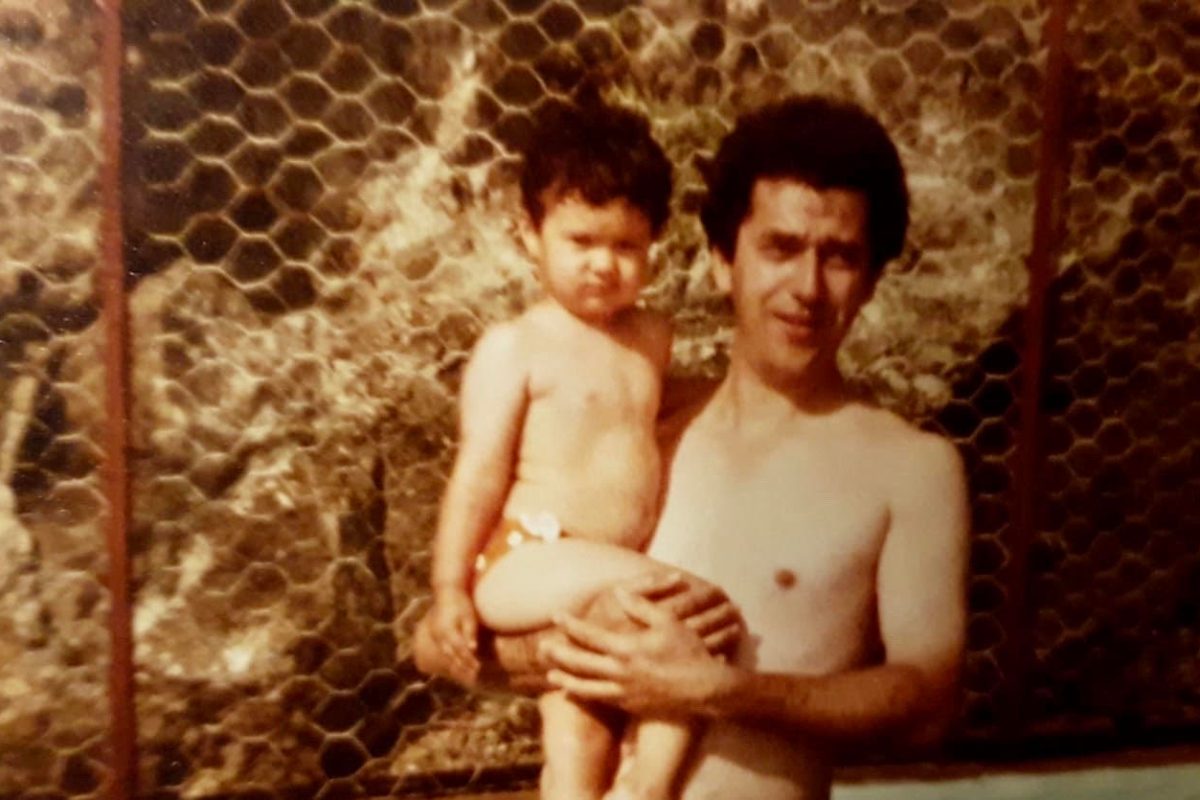
I find that pictures have a huge emotional power. I like to carry photographs of myself and my family when I travel, I call them “roots-images” and am staunchly attached to them. When I look at pictures that I love, this gives me an immediate strength. It is a powerful mechanism that releases such a positive feeling. Certainly for me, images speak more than words. I prefer prints because I have them to hand and have the pleasure of touching them. I like to have them on my desk or on the wall.

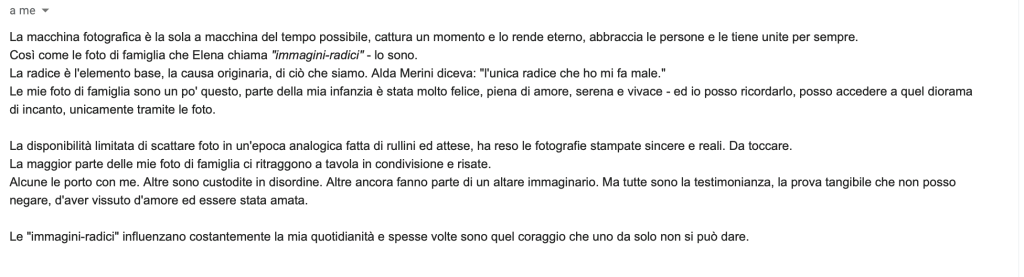
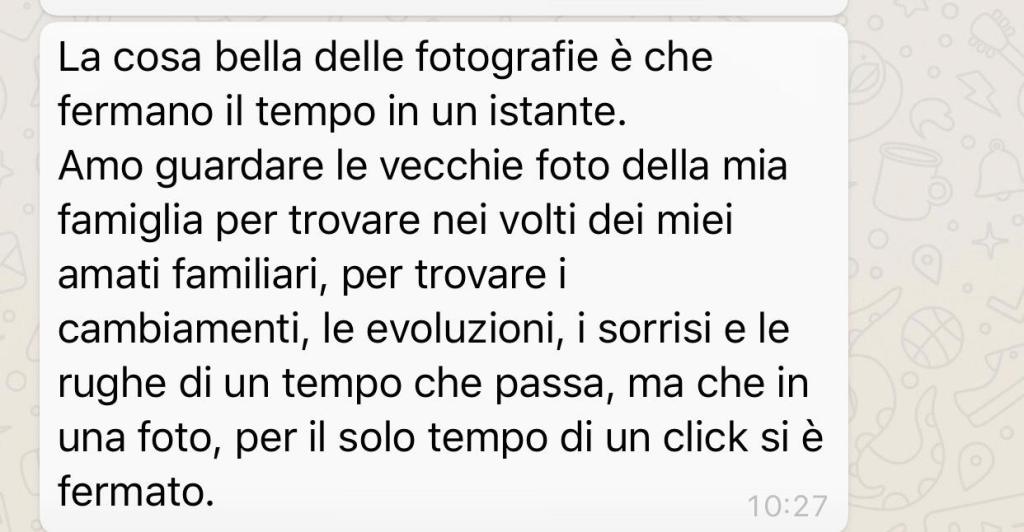
I confess that one of my passions is old, vintage pictures and family photos. There is life and vibrancy emanating from them. Not only are they a bridge between the past and the present, between our ancestors and us, they also invite me to persevere on the path. At the moment I don’t have any of these type of photos with me and I thought: “How do others relate to these pictures?” So I asked some friends if they were attached to family photographs and how do they affect their everyday life. Do they have pictures that have an emotional impact on them, that may have a reassuring effect or give them strength? These replies have been received by emails, mobile messages or vocal notes…

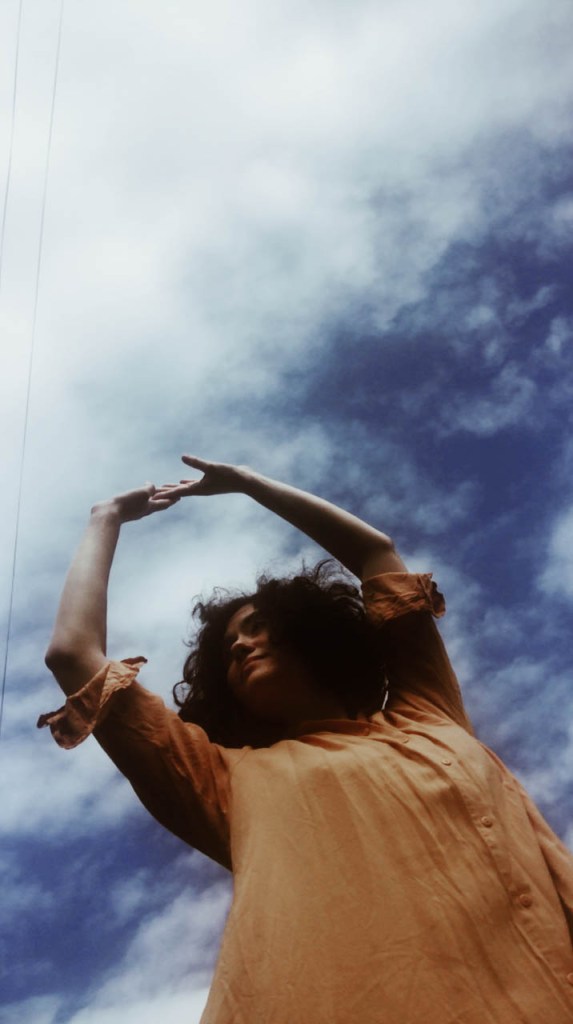
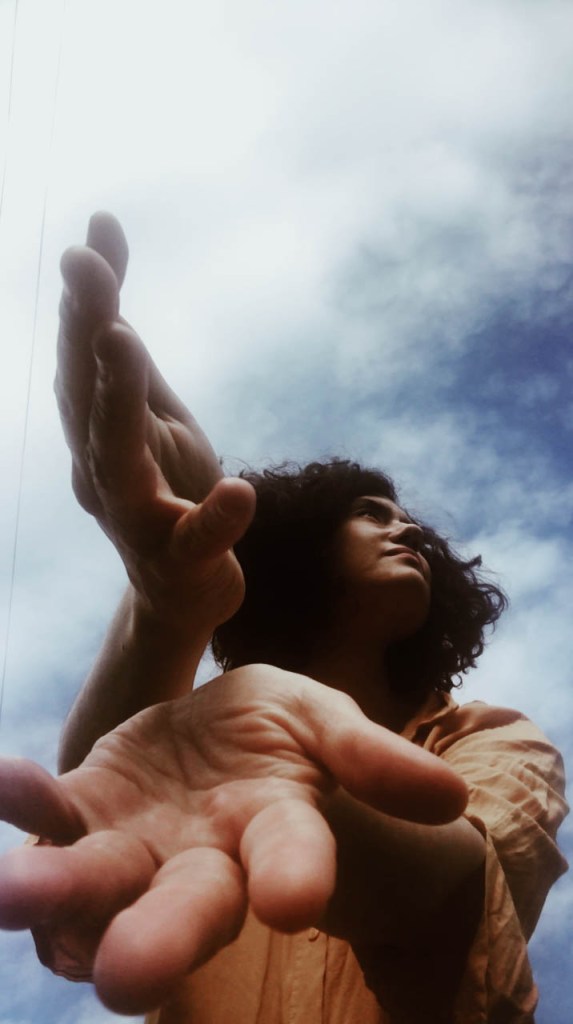
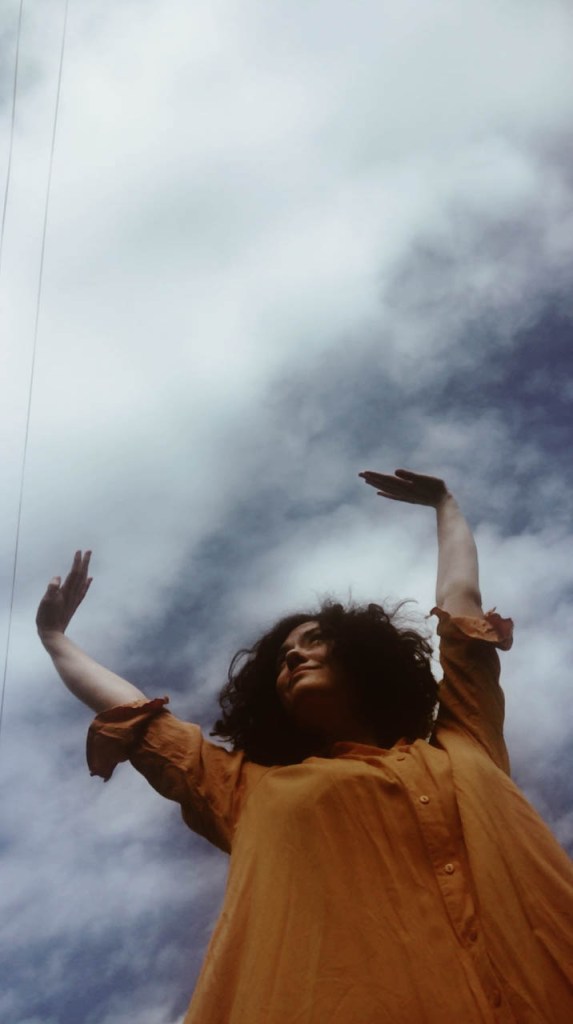
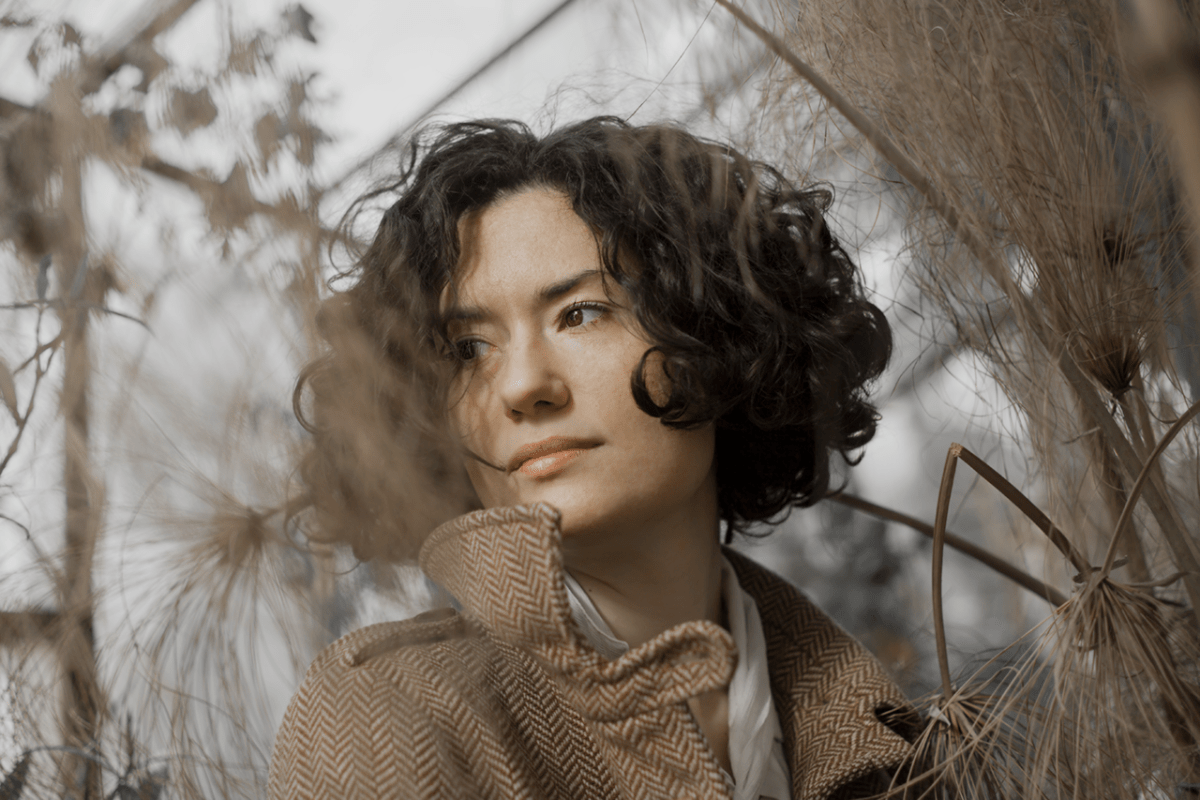
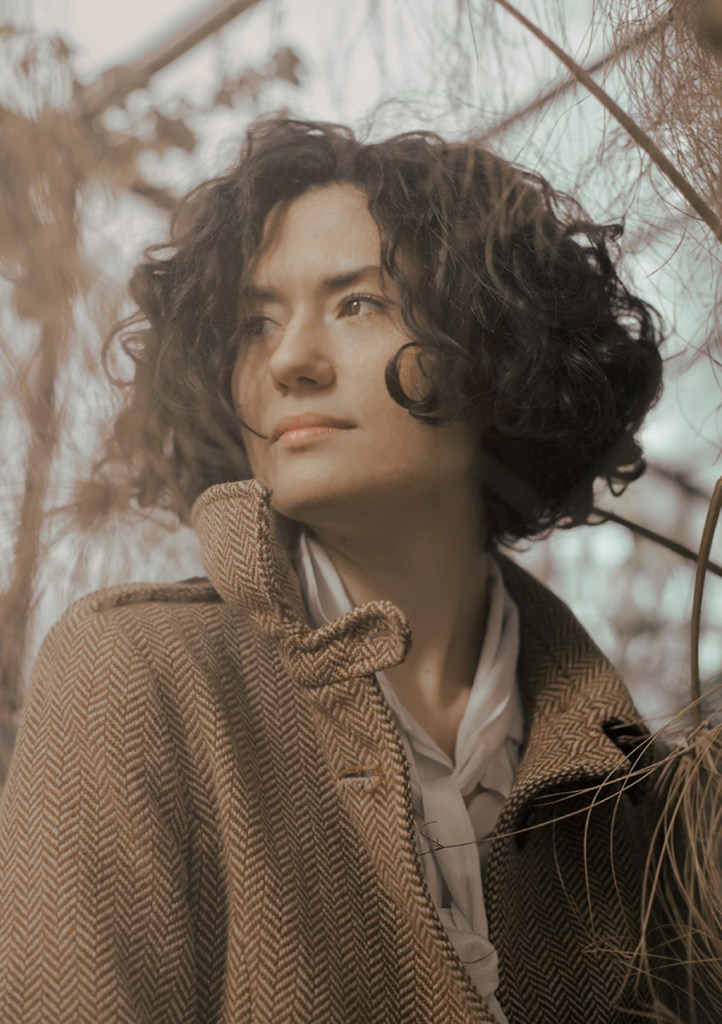
Elena seen by Maria Buttafoco [Parma, 2020]

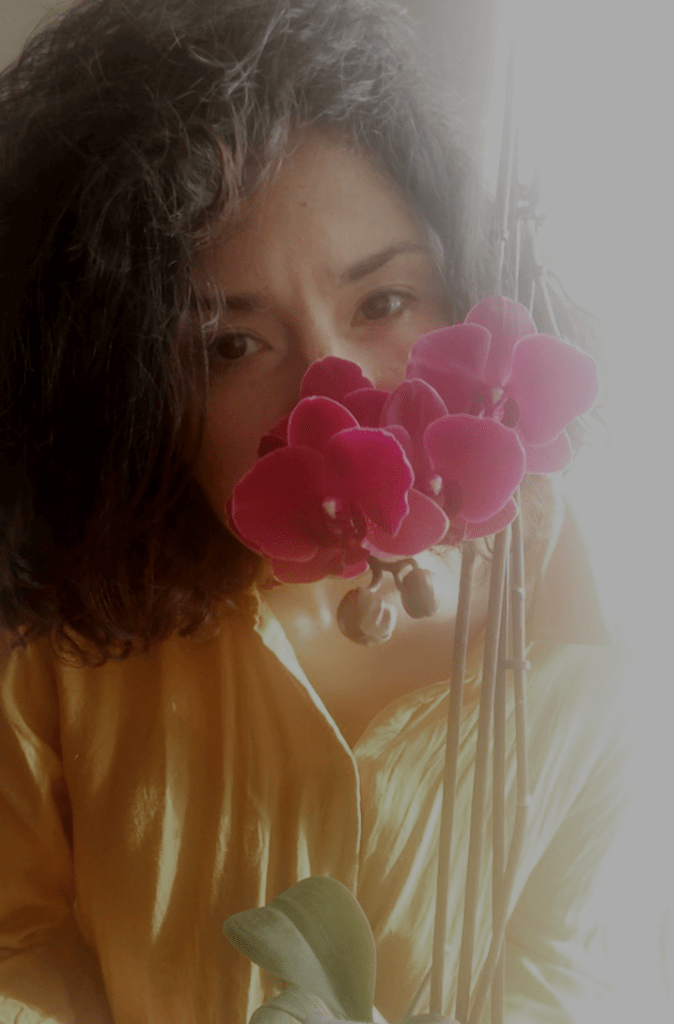
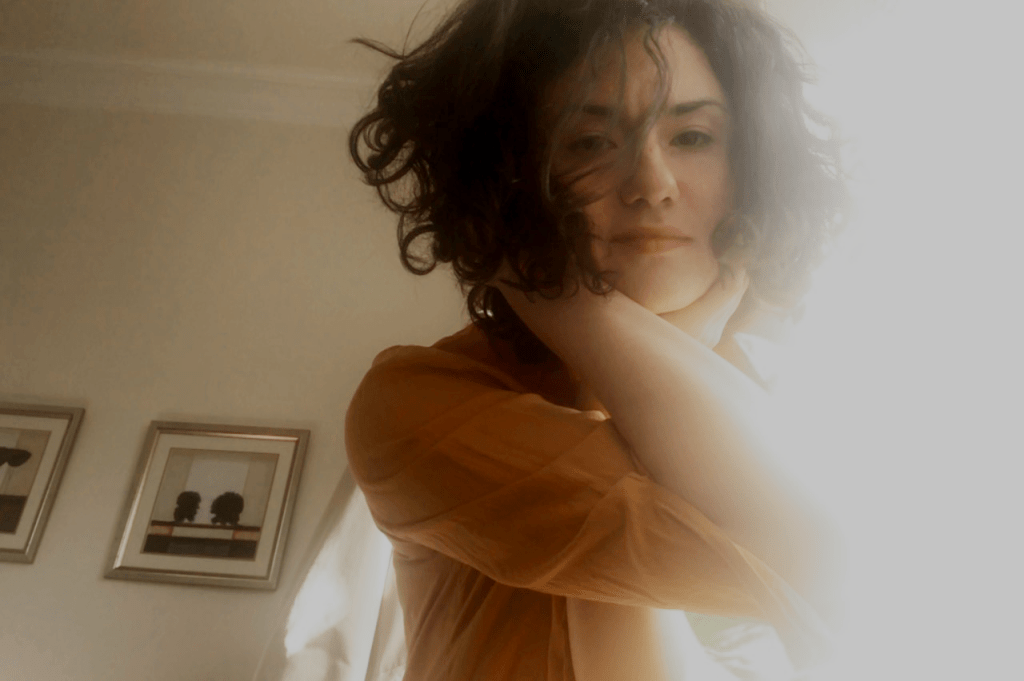
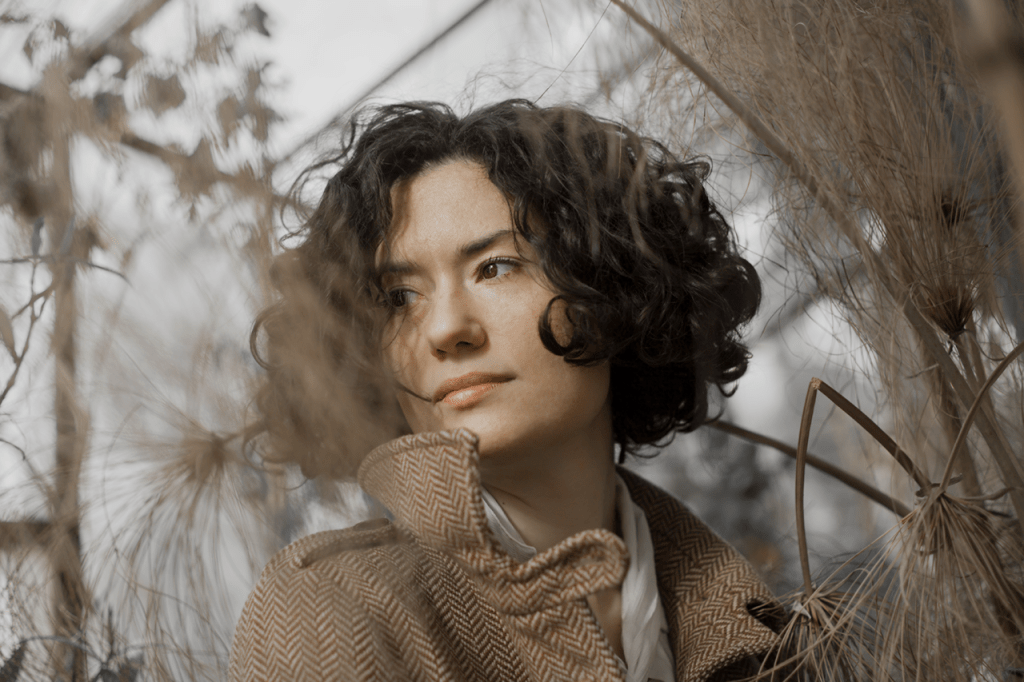
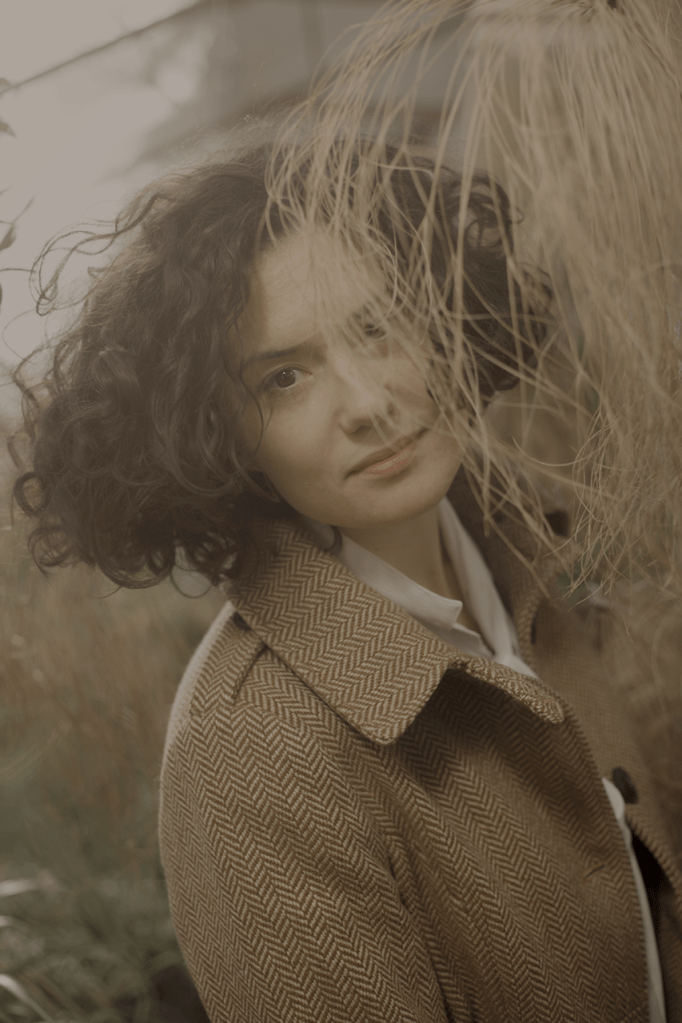
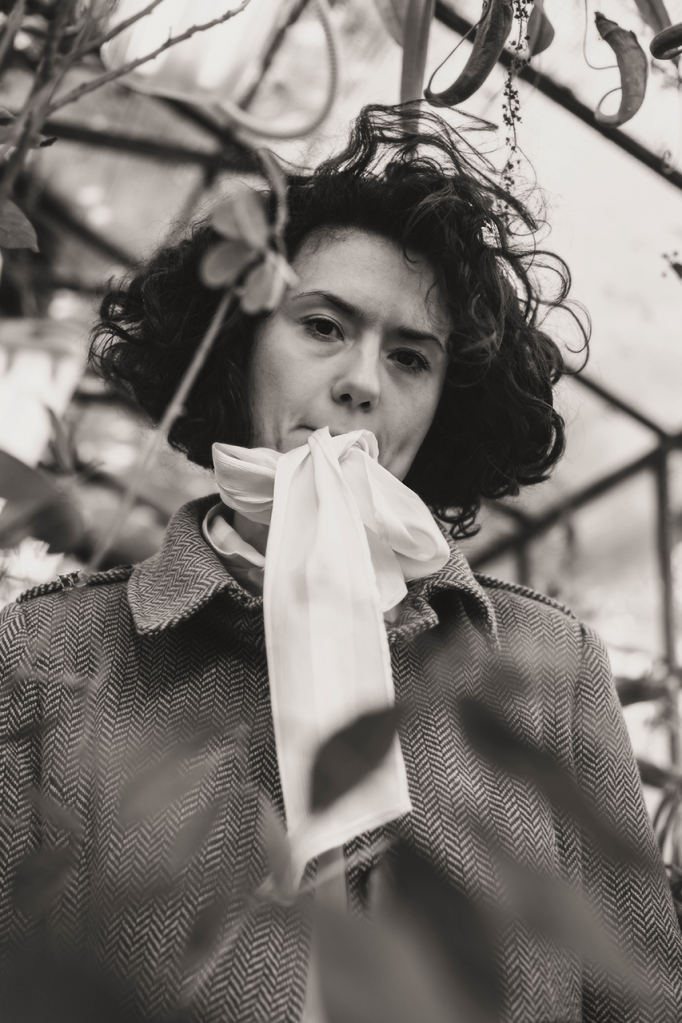
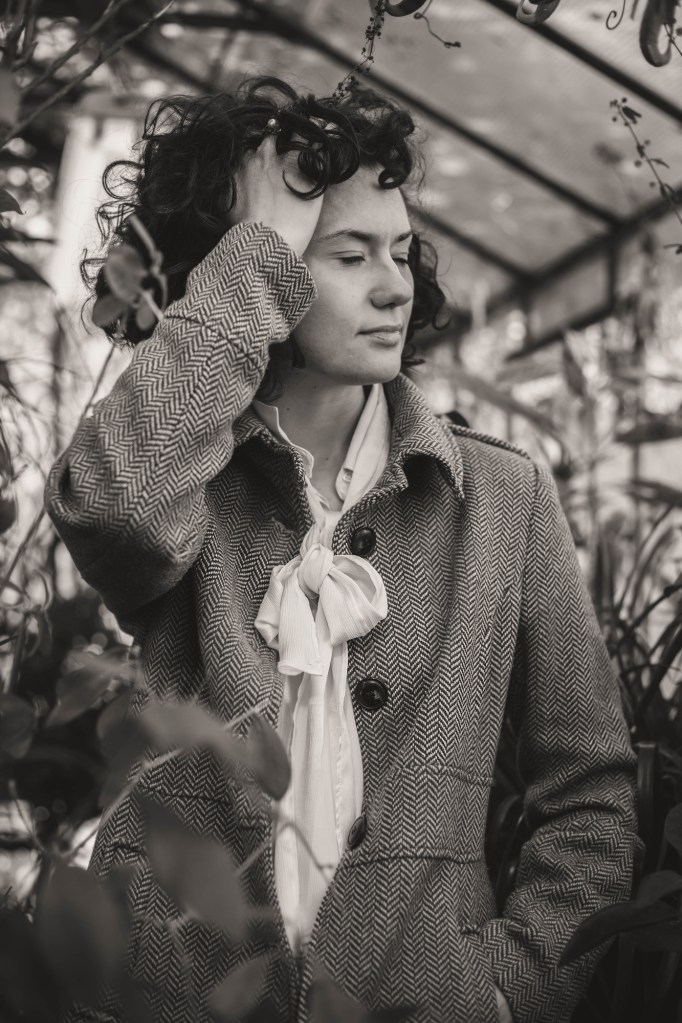
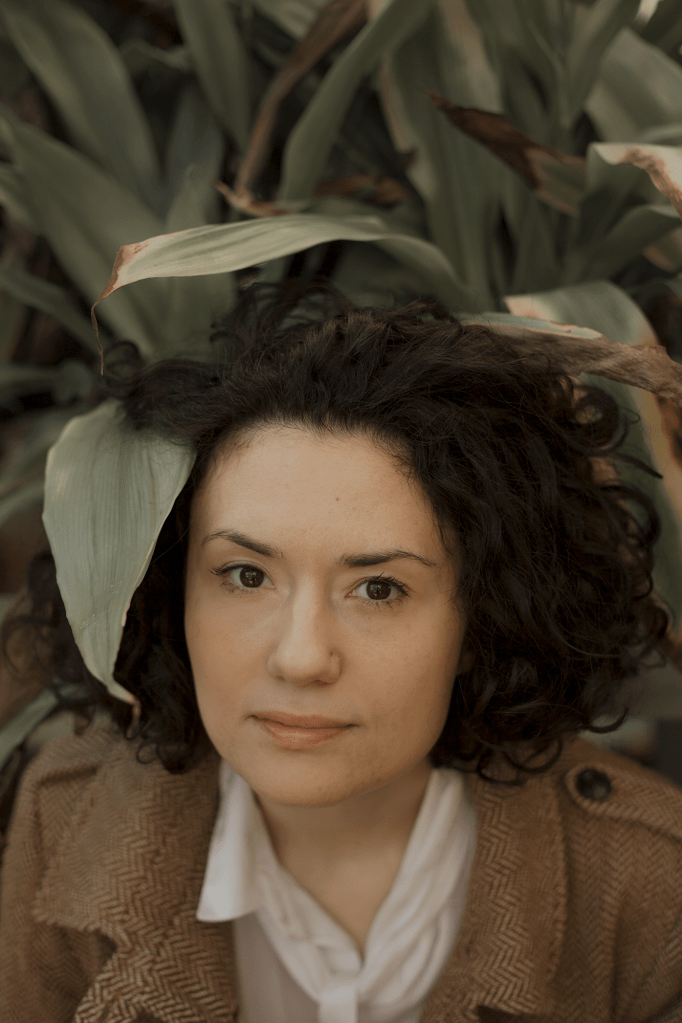
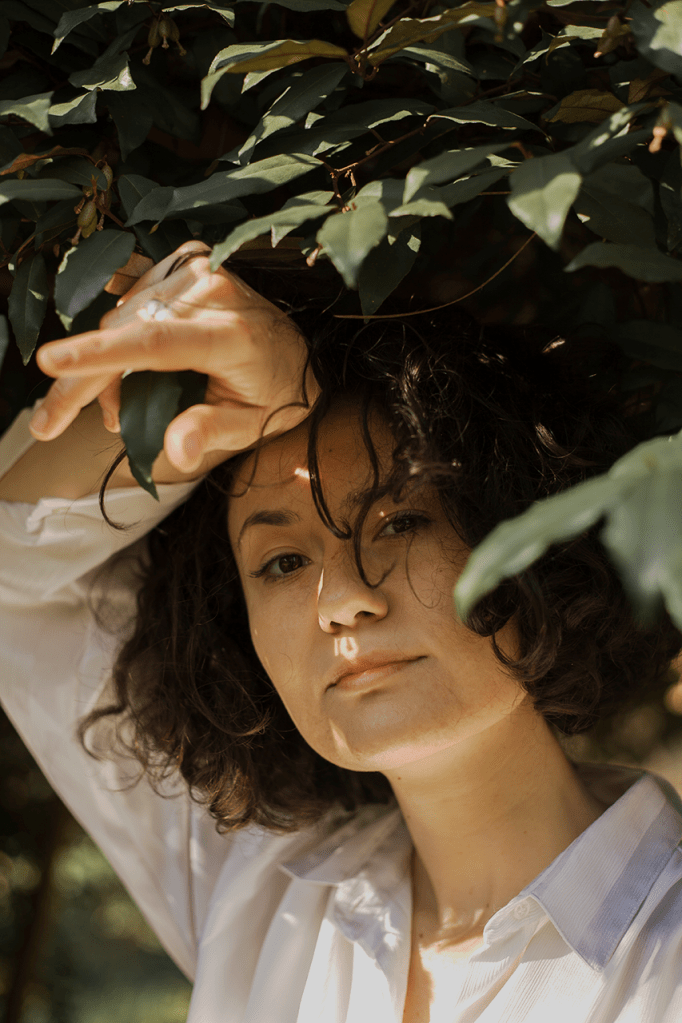
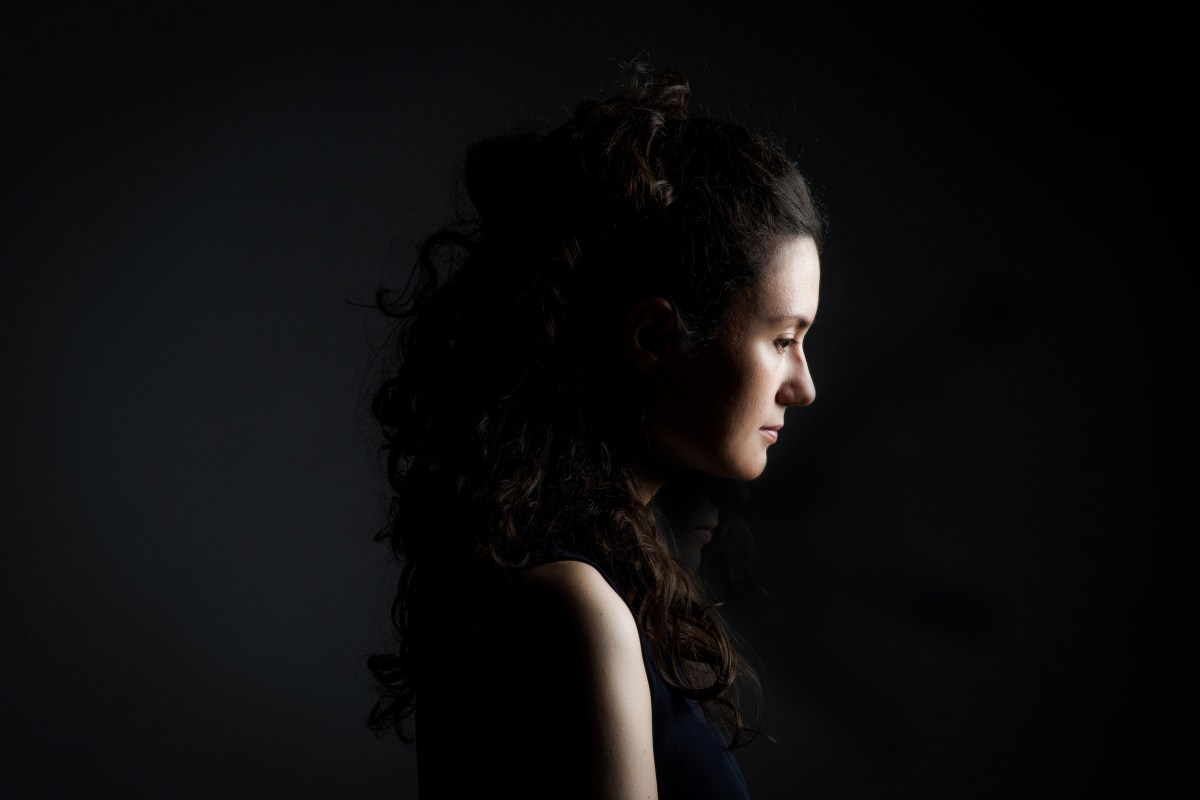
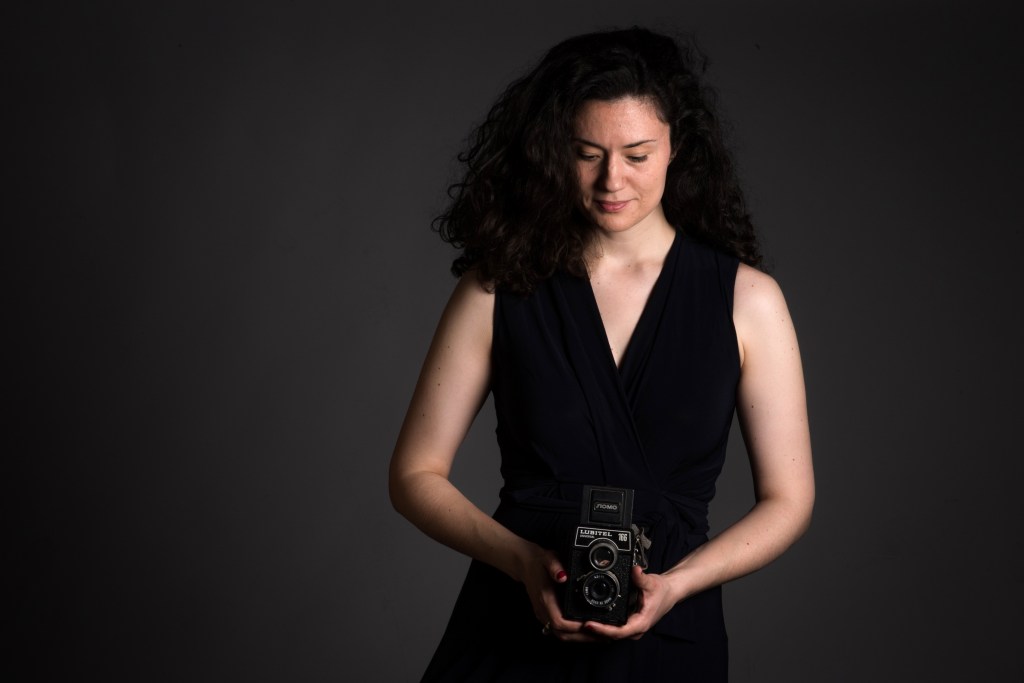
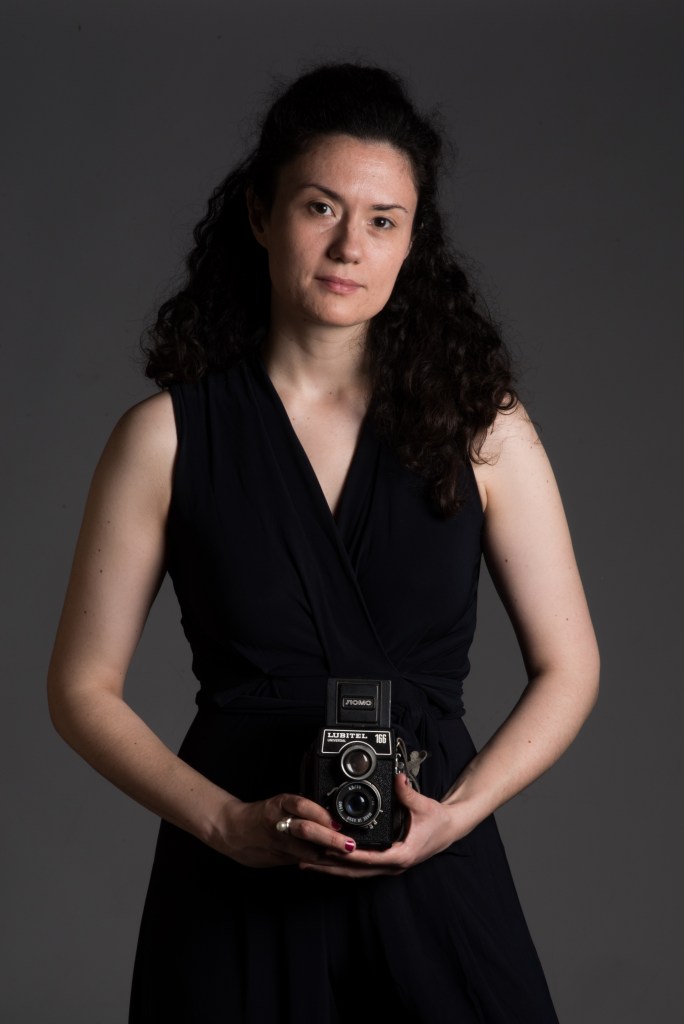
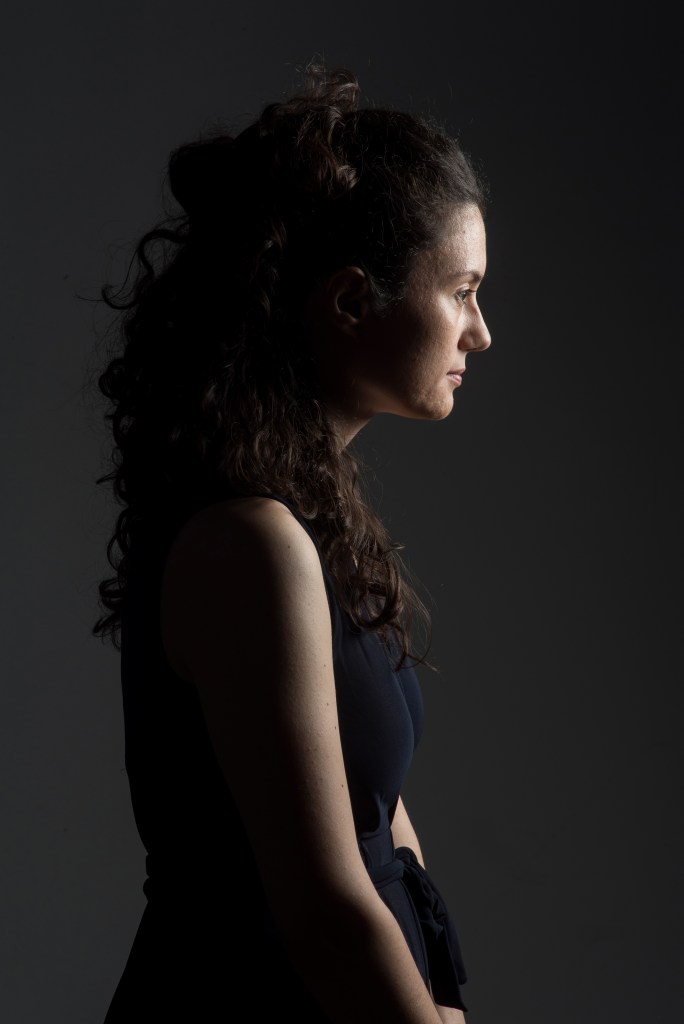
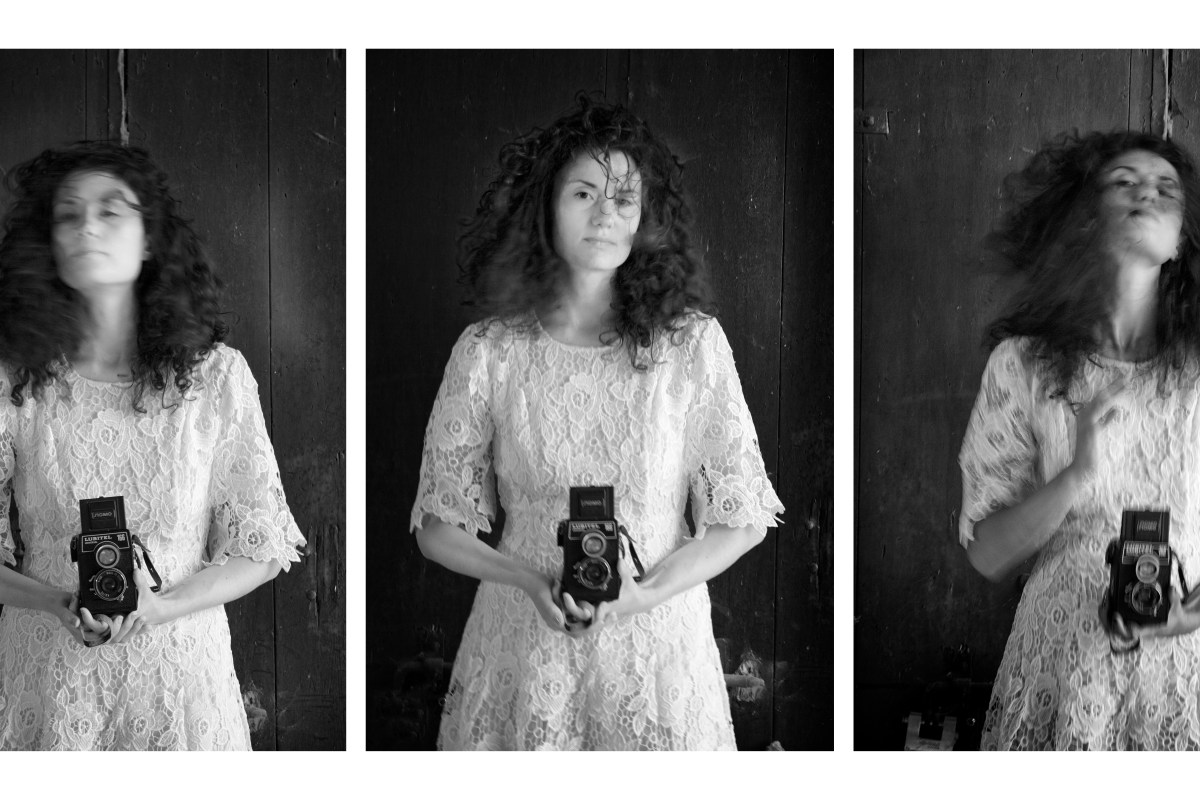
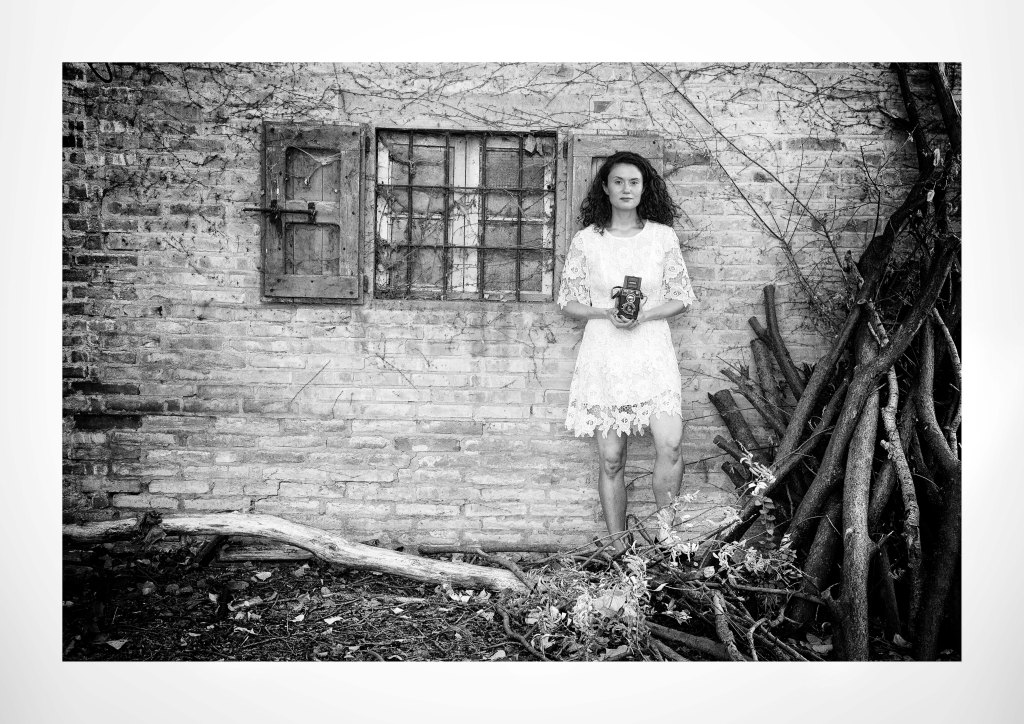
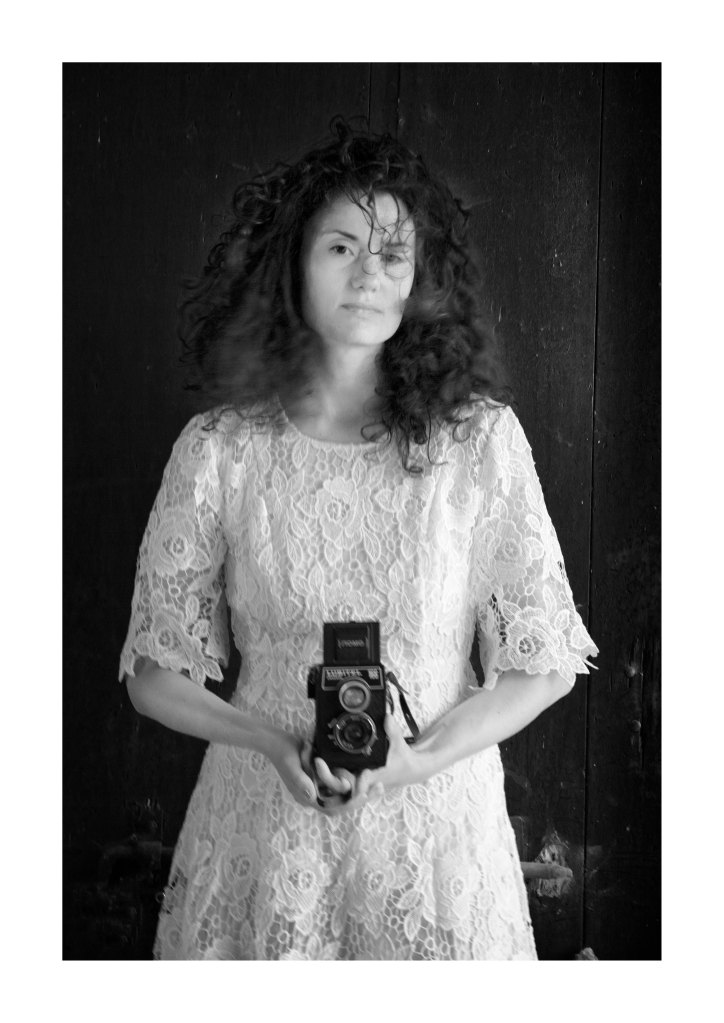
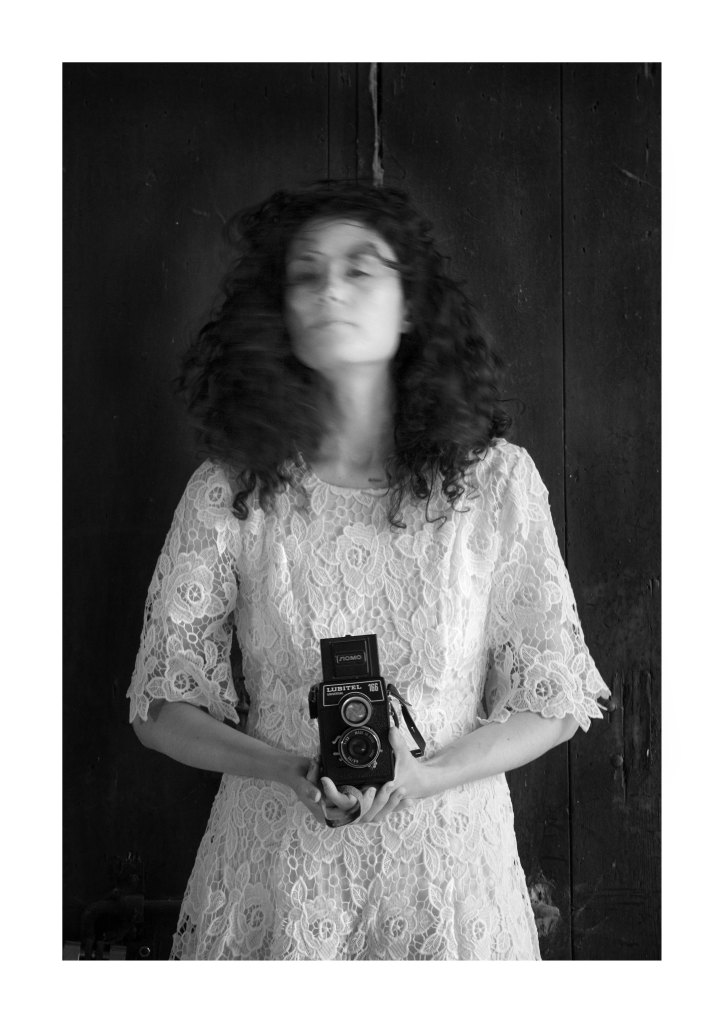
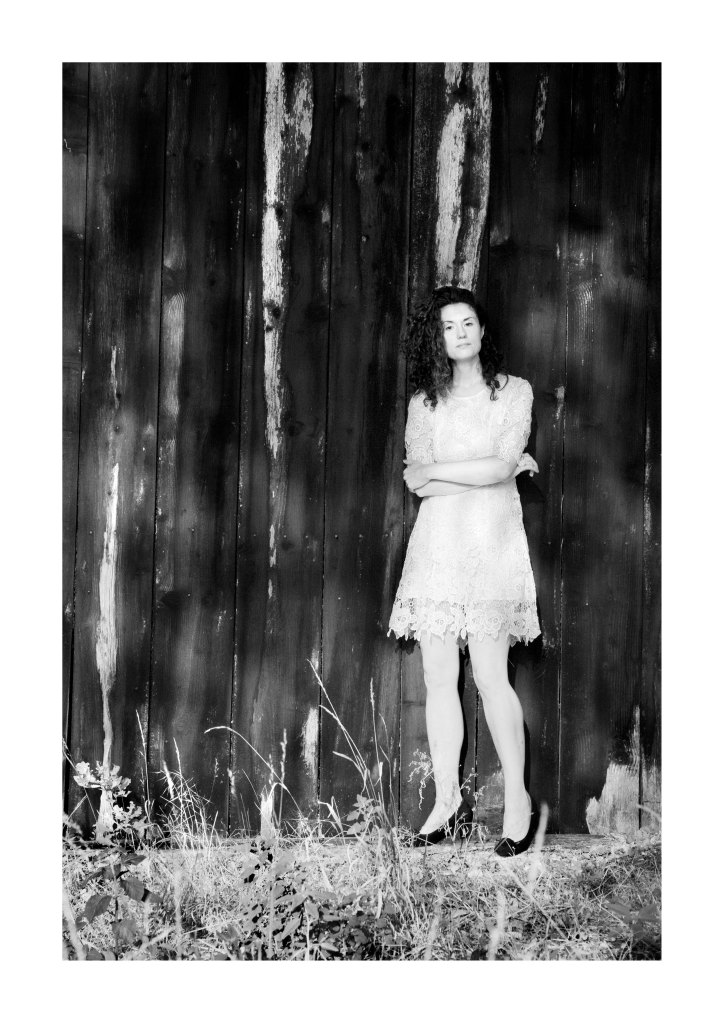
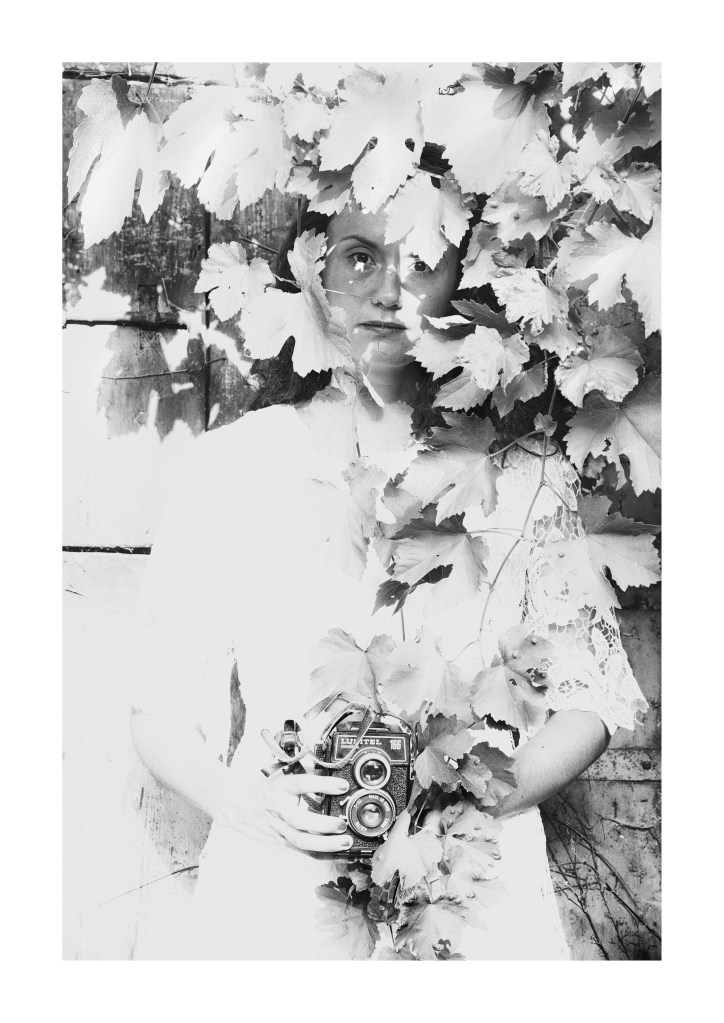
This time it was my turn to be in front of the camera…Having had my hair drastically restyled (great job Immagine Hair Creative Lab!), I asked an old friend, Maria to take my photograph. IIt was important to me to mark this occasion with relaxed, natural shots which I will be able to look back on later in life and reminisce. As Maria and I have known one other for over a decade, I felt at ease standing in front of her and her camera. It felt great to be able to leave the worries of the outside world behind and just be myself. And I believe this reflects in the quality of her images.

Pressure, expectations and hopes behind a successful shoot

Prior to a shoot, there is a tension dwelling inside me. I ask myself : “Will it be a good one? Will I be able to get a winning shot?”. I always have high expectations when I take the camera in my hands and start to work with somebody, even when I don’t want to admit it to myself. I feel thrilled but at the same time I am under pressure of what I call the “achievement factor”. I am really committed to be successful, to reach a satisfactory quality level and am always looking for some stunning shots from each session.

I guess this is normal, it stimulates and motivates me, pushes me to be pro-active and to develop my strenghts. However I realise that it is important to keep this winning tendency under control : all the elements have to be balanced (expectations & fears, reality vs ideas, projects vs eventual unexpected events) and I need to make the scales stable. What I find helpful, is to understand what project I am working on, who are the people I am working with and then let this process slide in the smoothest way.

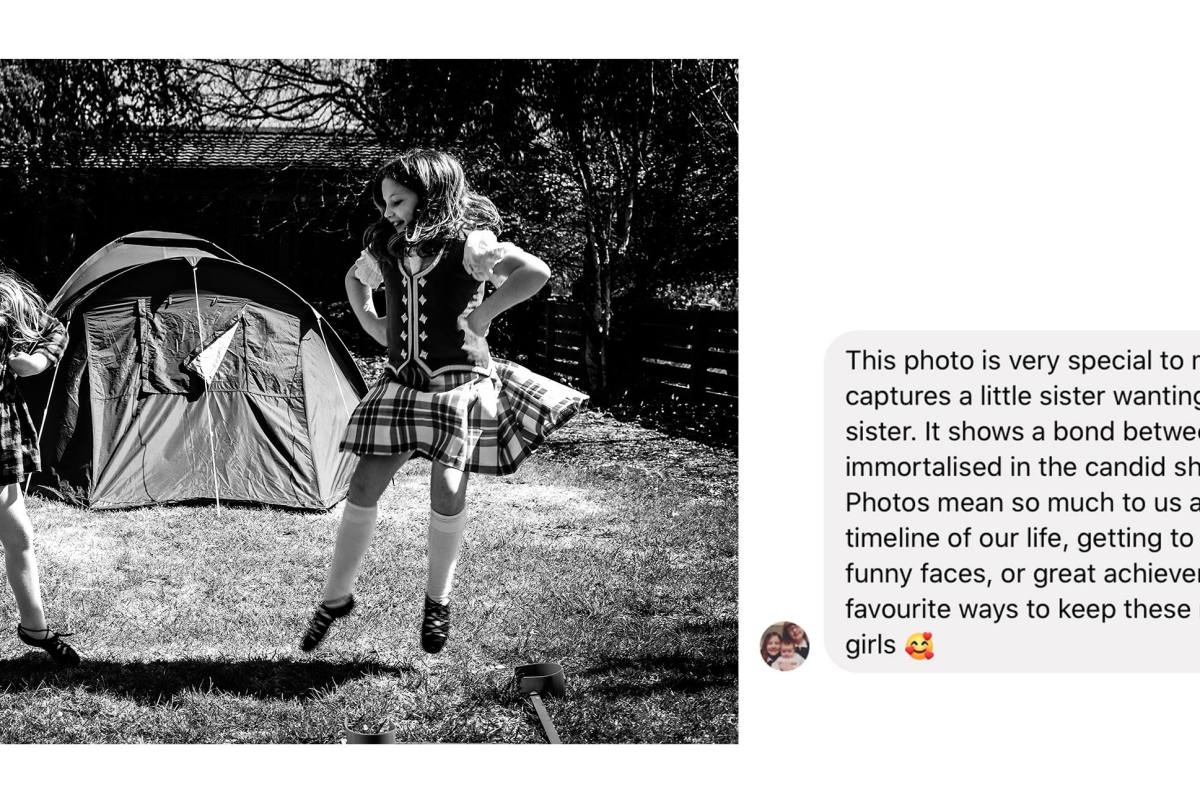
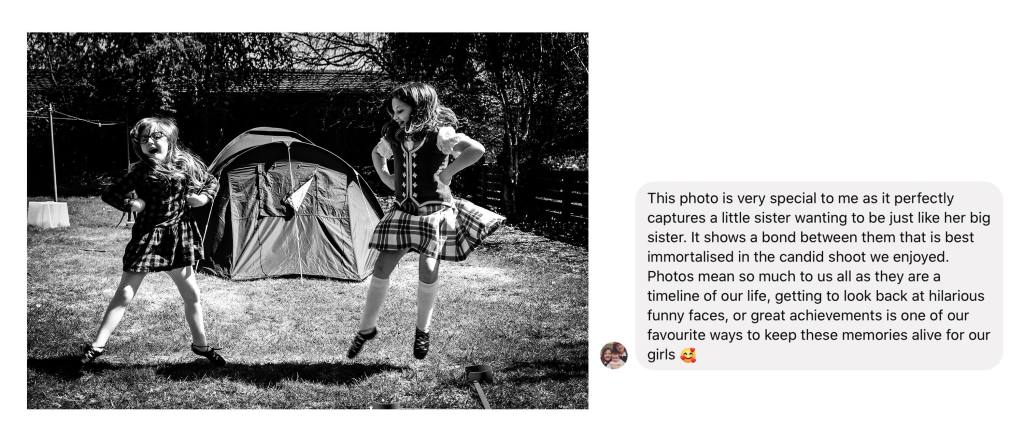
I remember having a good feeling before meeting Ross & Lynsey’s family. I did not know them but wanted to give them a good impression and I really hoped they would like and trust me. The shoot had been planned a few months earlier. Heading back from a week-end trip with a friend on the west coast, we stopped in Lochgilphead and met Lynsey, Ross and their three beautiful girls : Milly, Ella and Pippa. We only had a couple of hours to spare and I wanted to make the most of it. I knew that they had a garden and it was a beautiful spring May day, sunny and warm, with a blue sky. I thought we could take the pictures outside, since the girls would have been freer and be at their ease. Once I got to know them, after a chat and a drink of coffee, my hopes and expectations came to reality. They were welcoming, uncomplicated and genuine people. The two older girls (the little one was 7 months old at that time) were well behaved, respectful, lively and spontaneous in their enthusiasm. They were excited about the idea that somebody would “officially” take their portraits. I felt like a truly “important” person, having the role of being their photographer. I asked the girls to pose for a couple of shots but most of the time I was following them, the camera in my hands, while they were having fun and playing with each other.

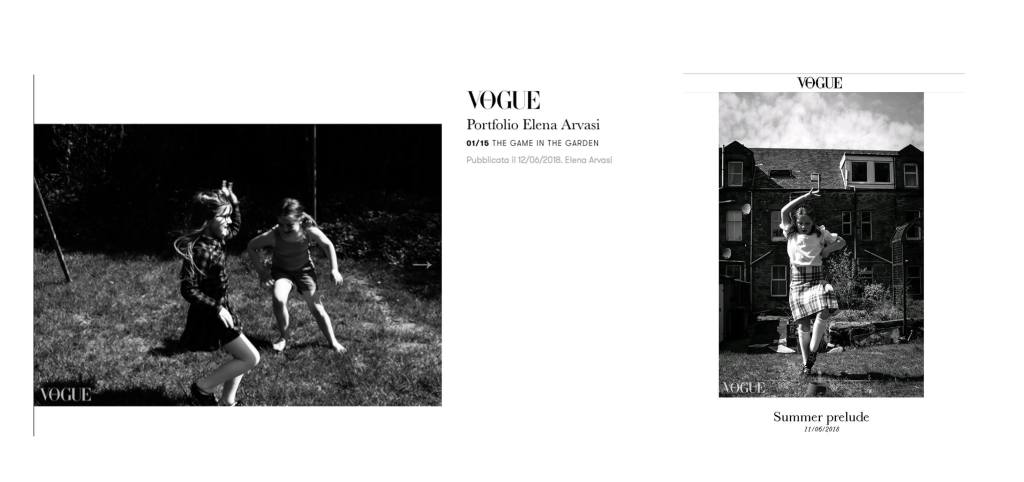
After editing the photos throughout the following days, I saw my work through different eyes. Instinctively there were some photos that captured my attention, they looked really alive, natural and unplanned and I saw the girls characters shine through. Two photos were accepted for publication on PhotoVogue’s website and when this happens, to me it feels like winning the lottery! I recently asked Lynsey which picture from the shoot she cherished most and she chose the one below I have attached, including her message.

At the start I felt hopeful of successful images, together with some tension. At the end, and this happens to me all the time, I experienced a beautiful and peaceful sense of accomplishment. And then I can tell myself : “It’s done, chapter closed. The people you have worked with and for, are happy. You handled it pretty well. Hopefully there will be an other shoot coming soon”.

About group portraits [Parma, 2020]

One of the things I find pretty hard to compose…well, it is a group portrait. The ideal shoot for me is with one or two subjects. Working with three or more people, this is a real challenge!

Based on my personal experience, creating a balanced, harmonic composition is not easy for the photographer for the following reasons :

you need to be patient and focused and have an idea of what you want from the subjects ;

– you need to be pro-active and explain what you want them to do (even if it is so much easier to leave the subjects free) ;

– you need to give a structure to the photo by creating a line of attention where the viewers will easily focus on the group, avoiding the sensation of chaos or emptiness ;

– always double check the colors of the clothes (you do not want a clash, if you are looking for something classic) ;

– when working with children, it may be appropriate to have a recurrent theme or a repetitive element ;

– when working with professional models, they may have a different opinion on the format from the photographer so mediation may be necessary ;

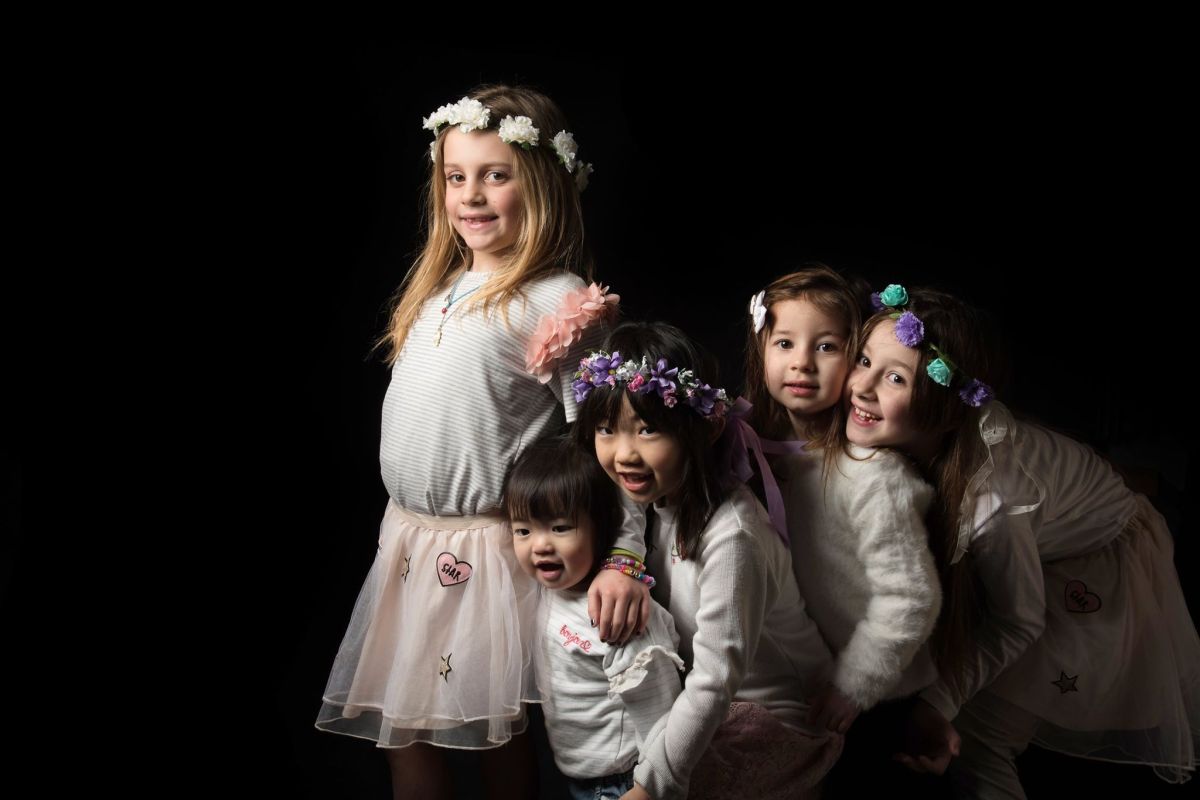
Just to make a few comments on my picture (it was taken in Parma, in the studio, in 2017) : the girls were super pretty and also quite cooperative during the session and the black background was a great choice to emphatise the faces and the white dresses BUT…

– there is a strong contrast between the vertical and horizontal line ;

– the youngest one is not looking straight into the camera.

On hindsight I would have tried to avoid these two criticisms but…if I don’t make mistakes, I will never learn.

About portraiture [Parma, 2020]

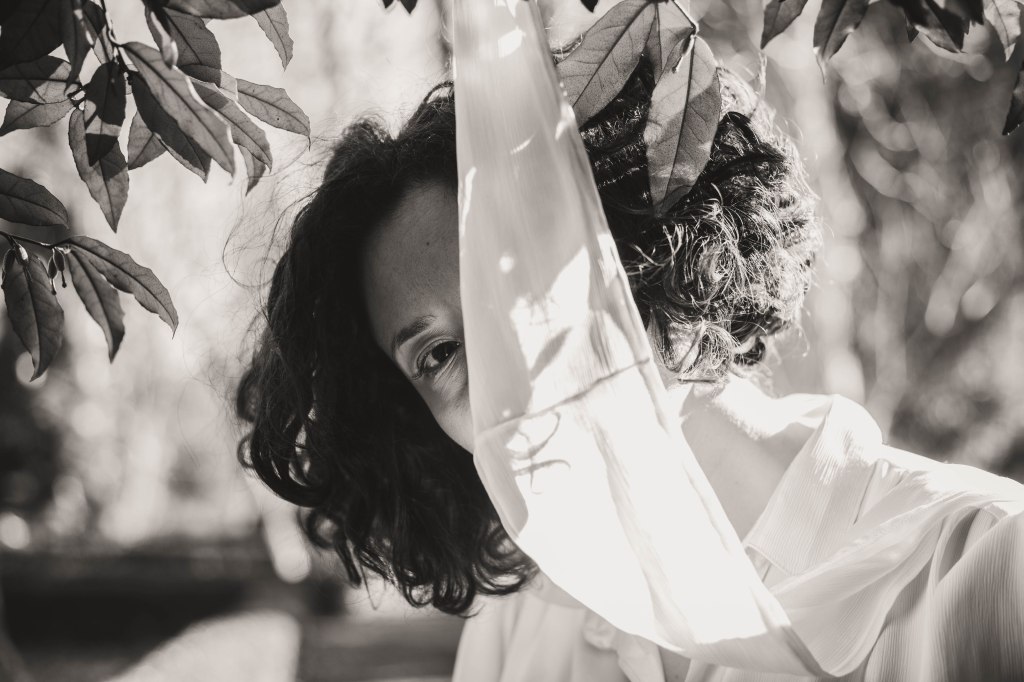
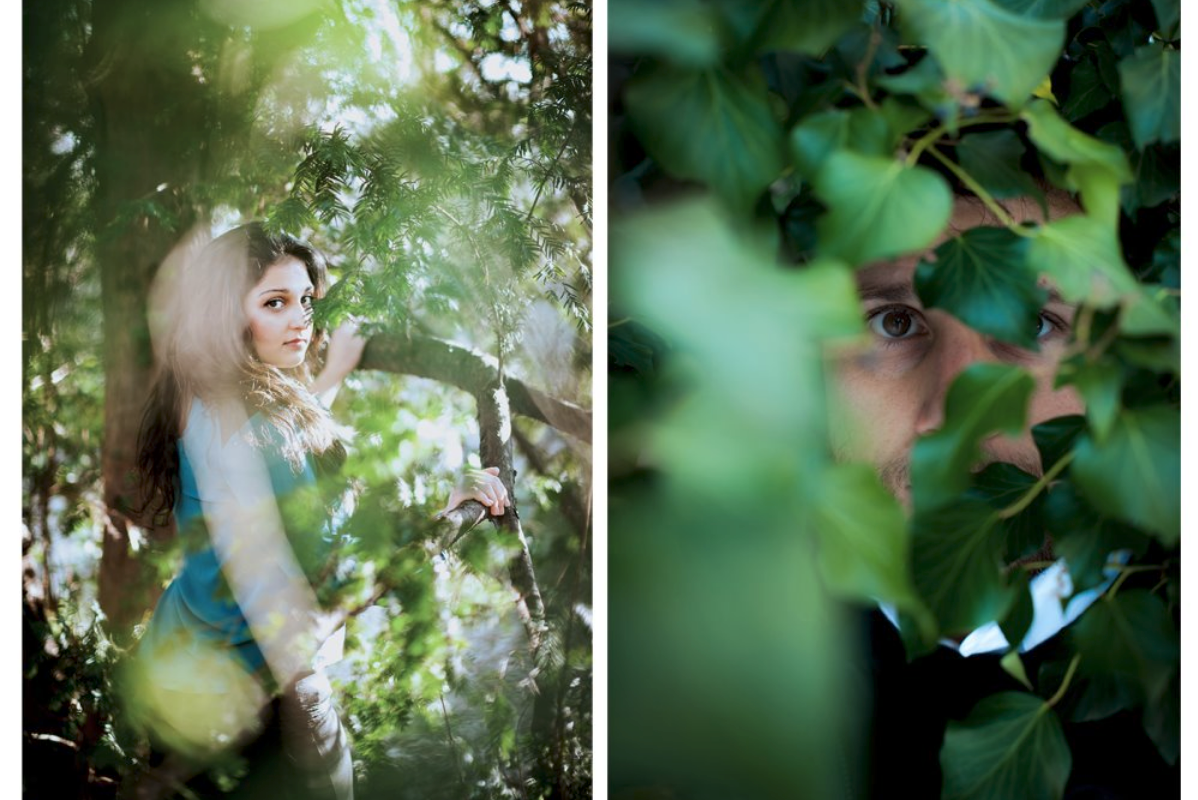
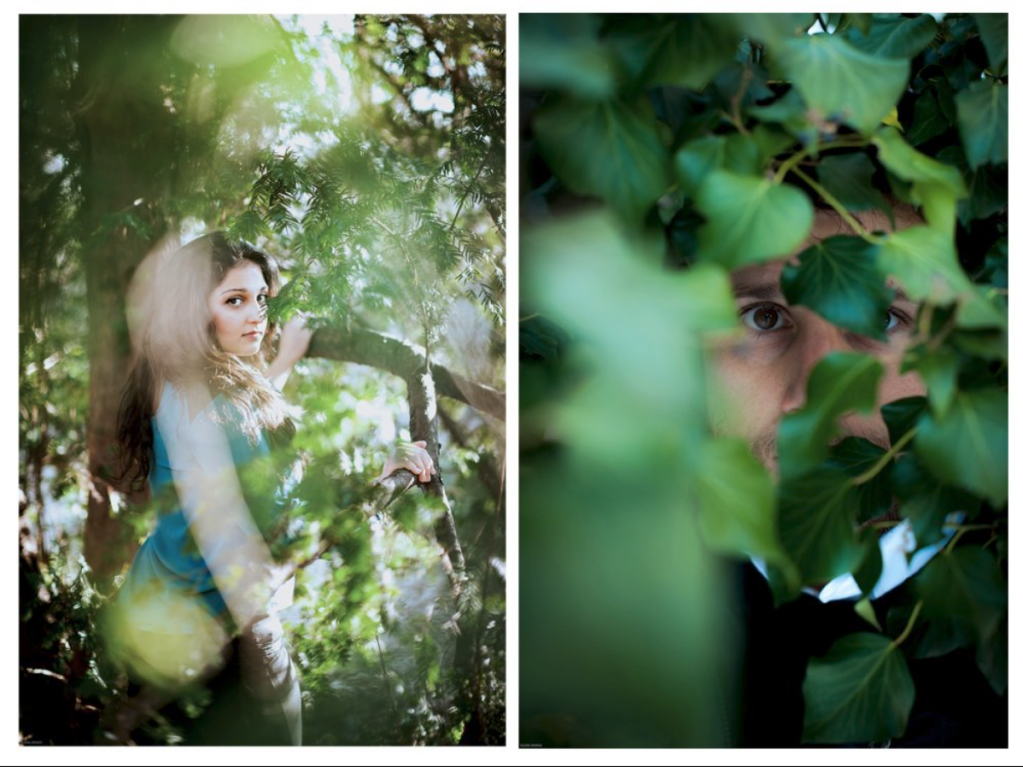
When I started taking portraits of adults, often I would offer two options. I would ask if they wanted to appear partially hidden such as being surrounded by leaves (if we were outdoors) or by a sheet or a curtain (if we were in a studio), or if they would prefer a close up in front of the camera.

This was rather amusing since “covering” people can be like a game and I was even more surprised that my subjects enjoyed it. This game works for both of us. People are less nervous, much more relaxed and it is much easier to get a spontaneous smile or a funny face.

This helped me better understand that the photographer must have a clear idea of the type of portrait he or she wants but not to forget to play and keep the person comfortable. Every interaction is unique and every subject deserves to have a relaxed session.

There is more than just a photo.

About inspiration [Parma, 2020]

I wonder from where other people take their inspiration. For me inspiration comes from a reaction in my mind and is something more visual. Such a reaction is created from studying other people’s work.

I am inspired by :

– listening to photographer’s tips and interviews ;

– focusing on certain kind of colors ;

– looking at images ;

– walking in the nature or when lying in bed ;

– the solitude through the night.

The following photographers have had a huge impact on my hobby: Robert Doisneau, Martine Franck, William Eugene Smith; Jacques Lowe, William Klein, Eudora Welty, Walker Evans, Letizia Battaglia, Jane Brown, Horst P. Horst, Arthur Tress, Francesca Woodman, Oliviero Toscani, Ferdinando Scianna, Vaughn Sills, Hans-Peter Feldmann

You can only be inspired by other people!

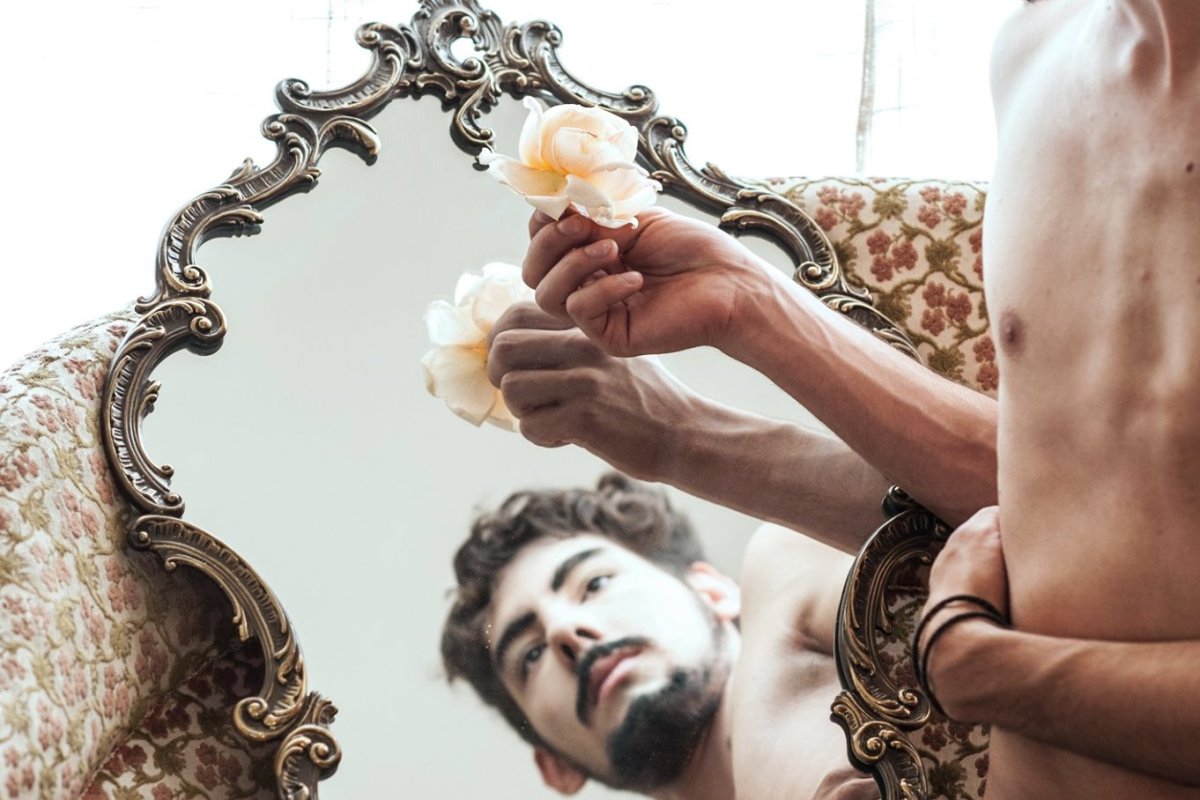
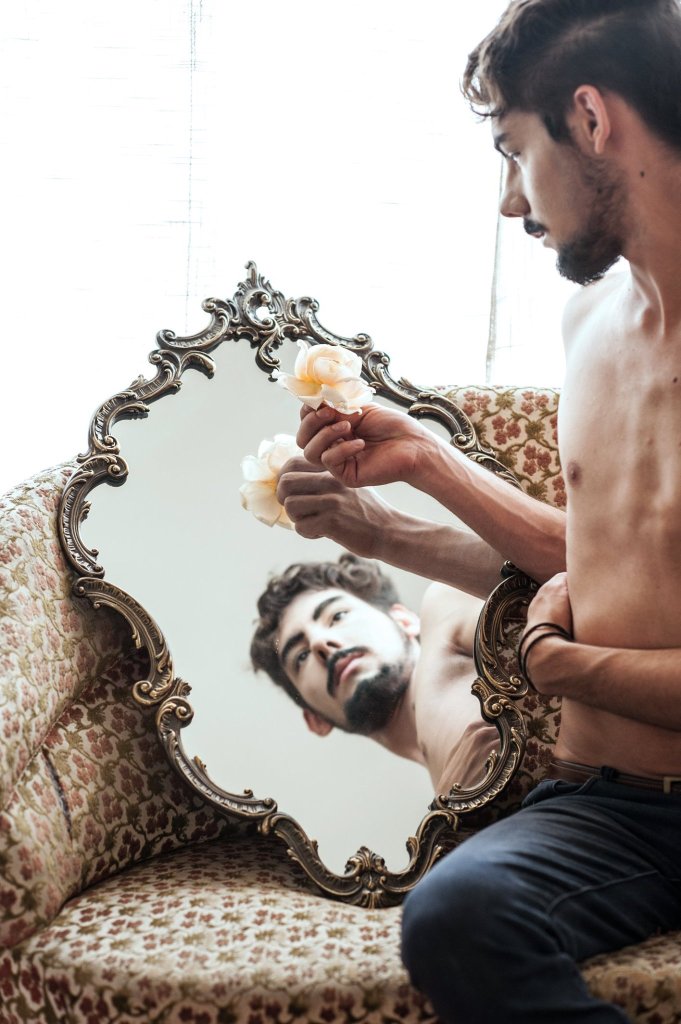
Narcissus, Parma, 2015

My photo influencers [Parma, 2020]

It can be argued that either men or women had the greatest impact on the history and the development of photography. In my case I can say that I have been influenced more by male photographers. My early portraits were taken by Franco, a colleague of my mother who is a passionate photo amateur. All my technical understanding of the camera was explained to me by Carlo Urbani. Last but not least it was a couple of artist friends who suggested that I focus on children’s portraiture because the little subjects were quite relaxed, spontaneous, vibrant and empathetic. I realized that empathy is critical and it is the key to successful images. A big thank you to Corrado Sacchi and Stefano Cavazzini!

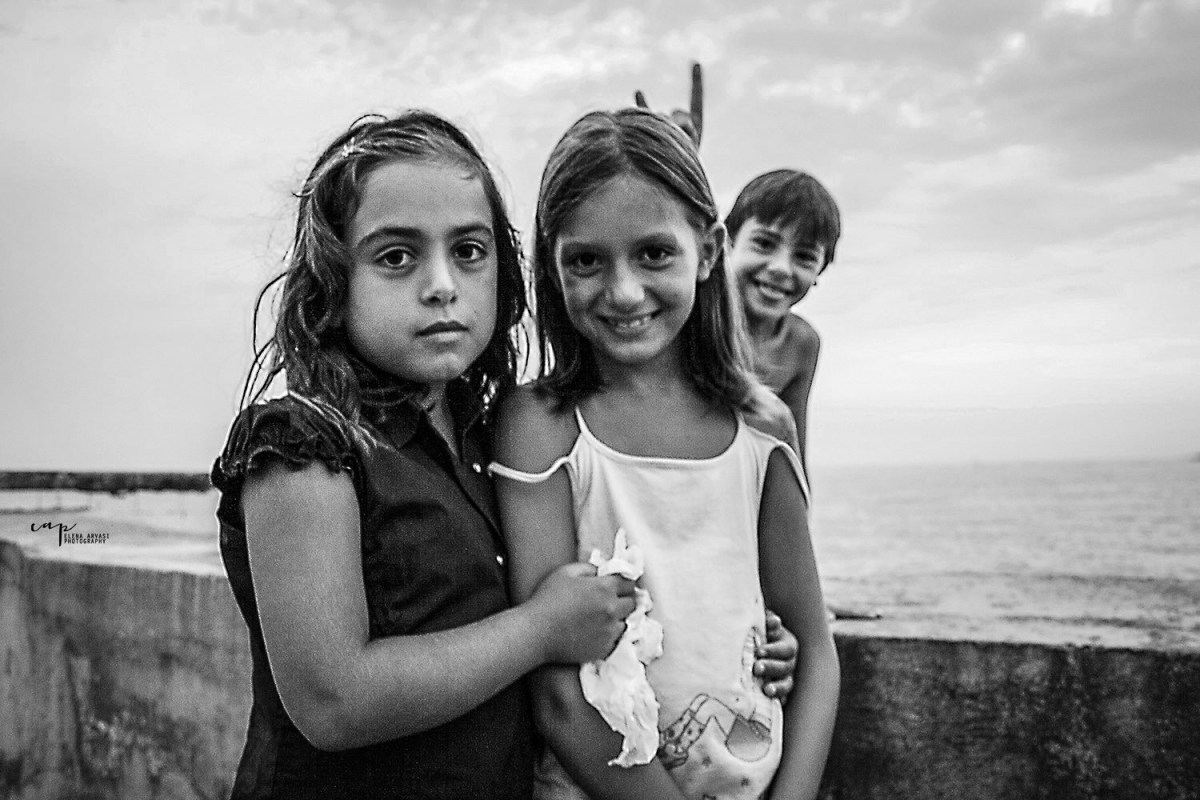
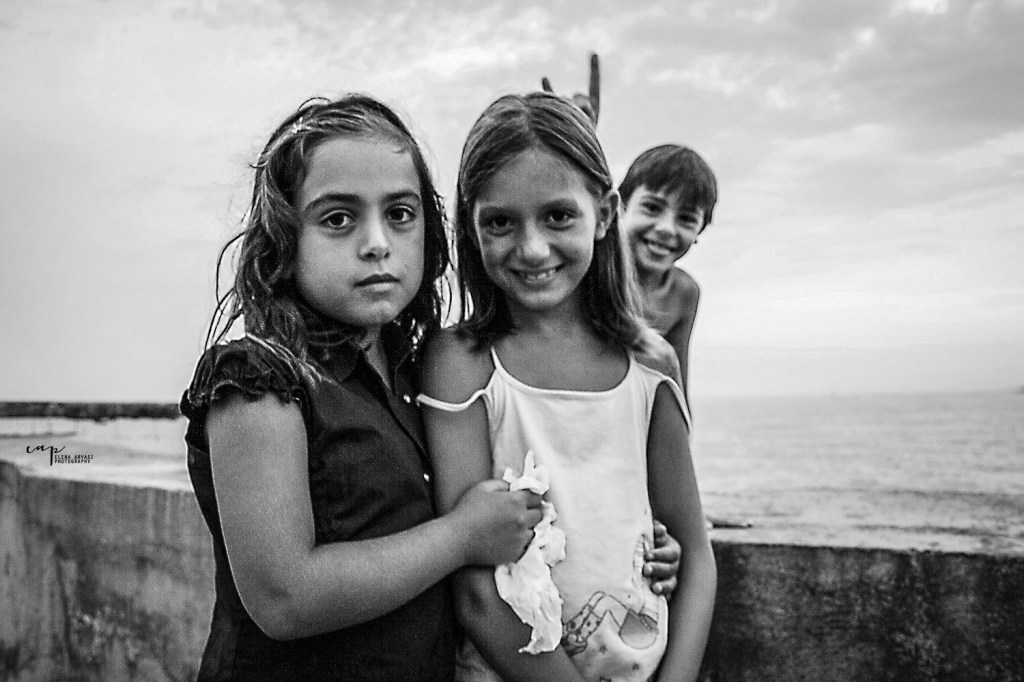
Children at the seaside, Livorno, 2011

This one was selected by PhotoVogue!

Elena seen by Michele Galloni [Parma, 2019]

In April 2019, I posed in front of the camera of a my friend and talented photographer, Michele Galloni in his studio. Back then, the most challenging and tumultuous time of my life had begun. Looking at these images now, these shots make me smile, as I relive my unawareness and somewhat naivety. Thank you, Michele, for these memories and long live to photography as a medium that won’t let us forget what we have been going though and achieved!

Elena seen by Stefano Cavazzini [Parma, 2017]

I feel honored to consider Stefano Cavazzini as a friend. He is an outstandingly talented photographer (even though he has never worked as a professional). He is also shy and humble. I believe that his work shows a stroke of genius and as an artist, he is a visionary, who goes out quite easily from a “commonly shared path”! His images remind me, somehow, of Francesca Wooodman’s photography. These shots were taken in August 2017, just before I quit Italy for Scotland. When I received them, I was blown away by these results! Grazie, Stefano, for sharing your talent and for your big heart!

Annasole & Thier [Parma, 2017]

I was a child in the 90s and I clearly remember how much Oliviero Toscani’s work and advertisements had struck me: the contrast of colors, of cultures that was behind them, with its advertising but also cultural message (the desire to strike, to disdain the audience). I have always admired the versatility and boldness of Toscani, his ability to narrate and to represent real situations from a different, nonconformist angle, using often the linearity of a monochrome backdrop.

In the end, the concept behind this photo shoot was “the contrast”, behind a line of simplicity. I am grateful for this outcome, due in good part to the cooperation of little Annasole (unwitting but cooperative model!), to Thier (who gladly accepted to get involved) and to Elisa (the little model’s mom!).

and now the funny ones (kind of Behind the scenes)!

and with momma!