One of the questions I asked myself, when I first started photography, was : “Why do some pictures easily capture our attention and stay in our mind while others are just labelled as banal and dull?”.
I realised that a photo is a relationship between the subject(s) and the surrounding space. The unicity of an image, apart from what can be its meaning or the sentimental value carried in it, is based on the spatial disposition of the subject(s) and how they appear in space. Maybe even more than the “What” is important the “How”.
I never liked maths as a subject at school. It has always been ditchwater for me. As my mother would say with regret, I am a “literate spirit”, without doubt. I knew that in photography the setting of the subject(s) is a vital element because our attention needs to be brought to a specific point. So when I started taking pictures, I feared that a lack of “geometrical sense” might be a handicap or a devalue when it comes about to prepare a shot and to take a portrait, for instance. But I eventually understood that I had confused “numerical” with “geometrical” and the two things are not the same.
In photography as well as in other fields, I consider myself a traditionalist but on the other hand I am not scared to experiment and I don’t dislike the lopsided, the wonky, the asymmetrical and the unbalanced.
The key is that our eyesight is selective in the way it sees what is around us and photography has rules that are quite clear about symmetry and geometry in a composition (for instance the rule of thirds, the positioning of the subject, the use & choice of light) and you can get yourself into trouble when you break the rules or take “extreme” shots. You can have fun and achieve success taking unbalanced shots but you will raise lots of criticism and somehow the eyes may not agree on the final results. Our visual pleasure needs to be satisfied by what is perceived as a positive equilibrium of the elements.
It shall also be added that we constantly live under rules of fashion that are changing. Talking specifically about portraits, I remember about 10-15 years ago, there was this tendency to cut the lines in a picture obliquely, to give a different shape to the subject, to look for a new perspective. At that time this looked so innovative and energetic. Now this trend is almost over. We are trying now new dirtections.
Having an original approach to the form to be given to the image is appreciable but, at the end of the day, our eyes are looking for a “peace of the senses” when we look at something. There are rules that need to be respected, a logical sense and discipline, in order to avoid to be kicked out of the game.
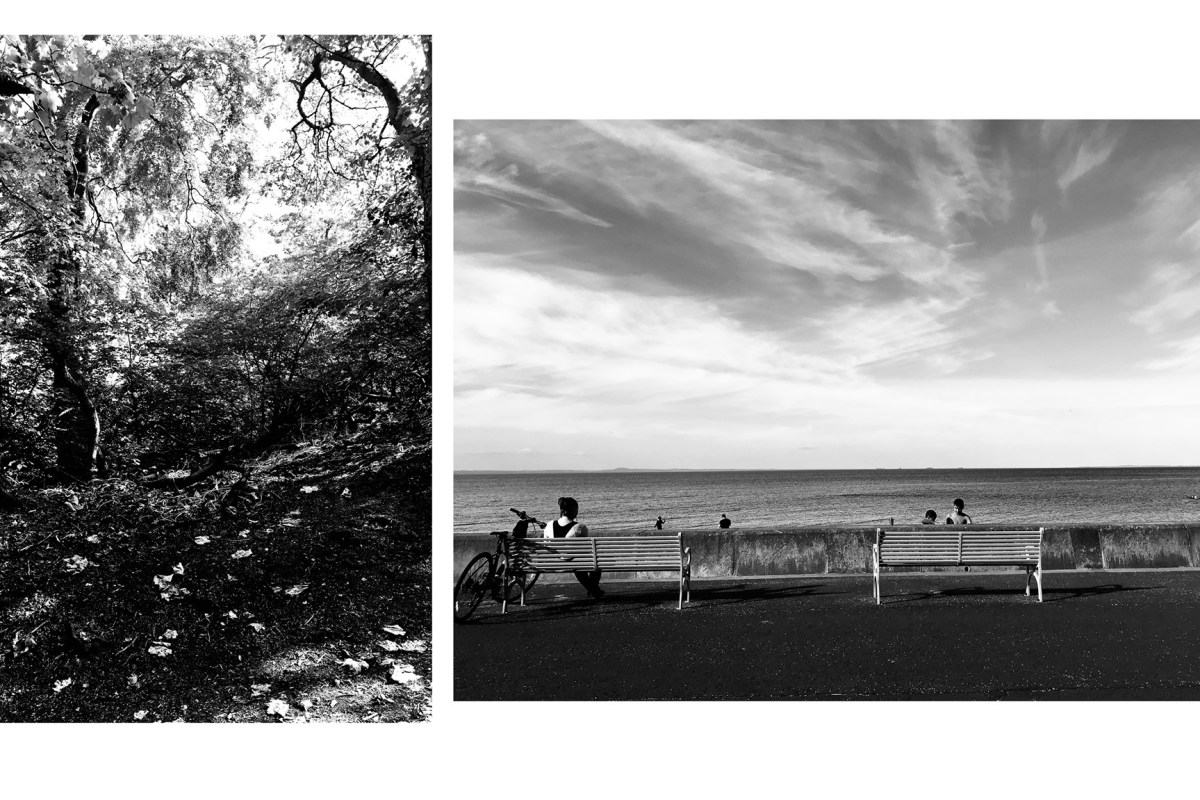
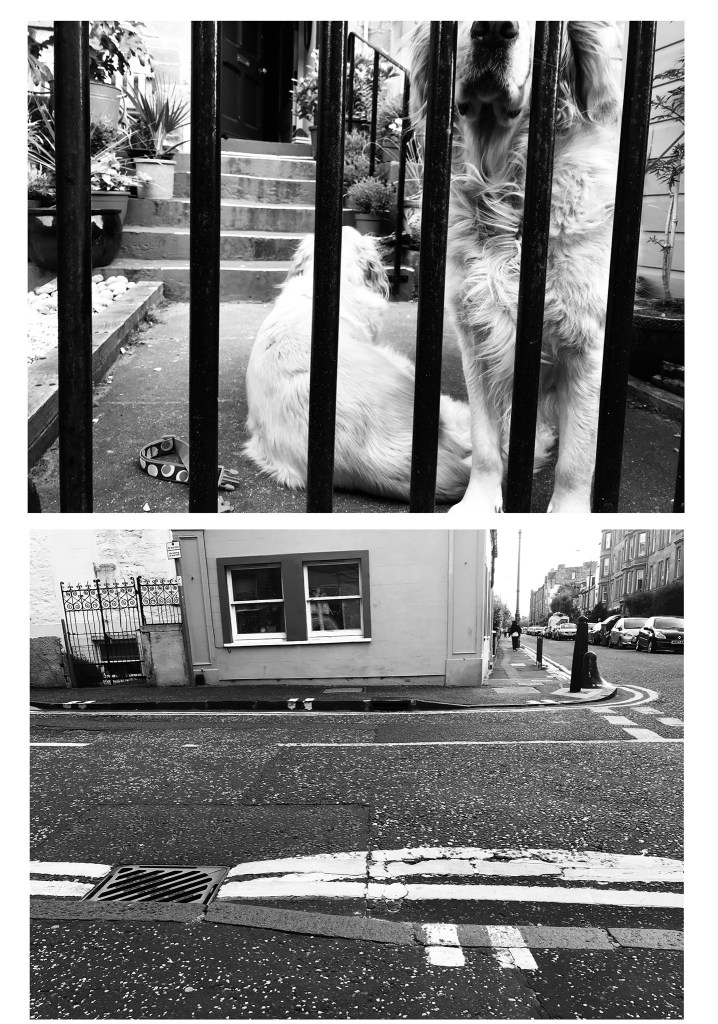
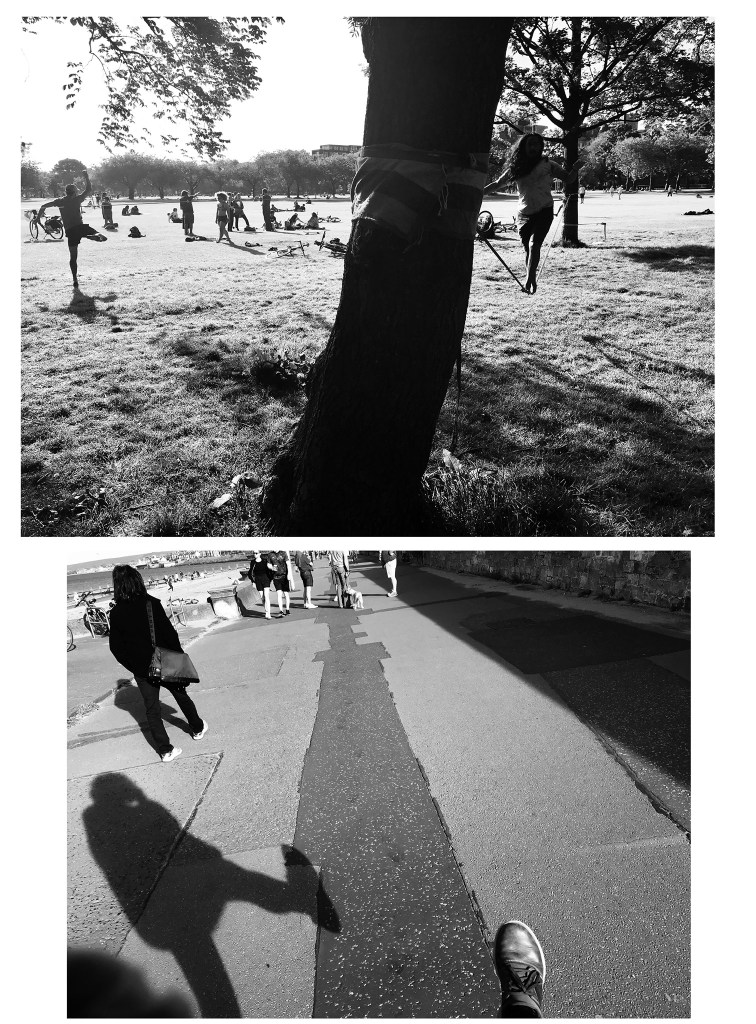
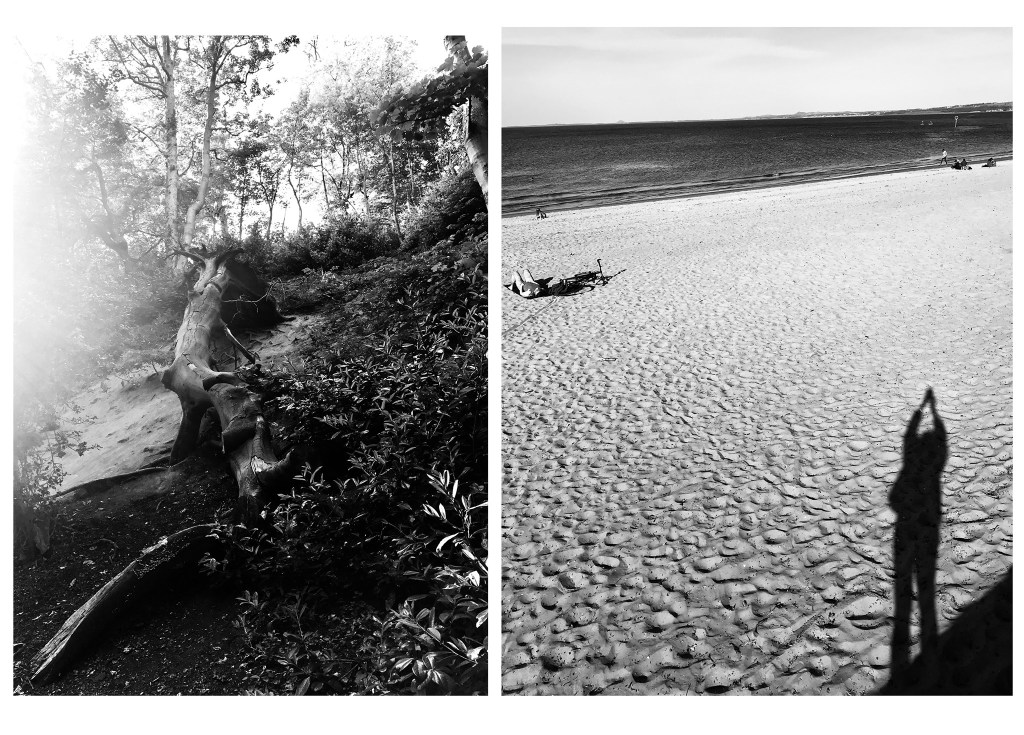
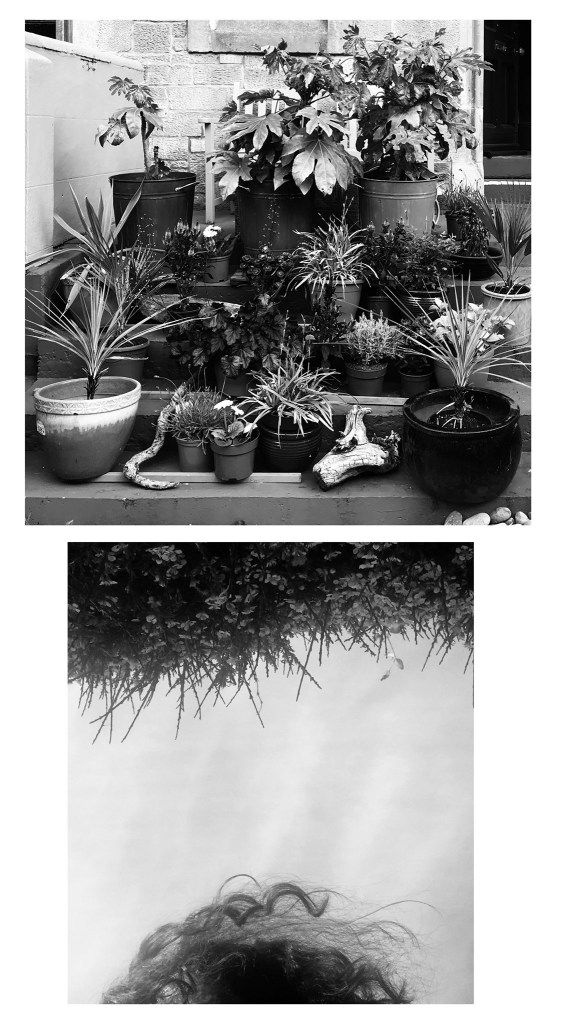
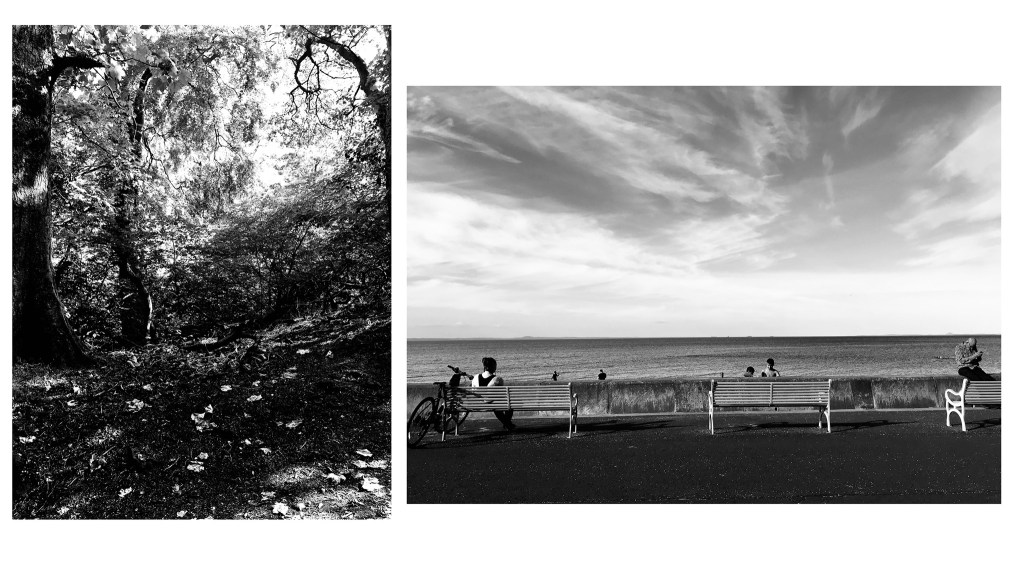
To finish this article, I am attaching below a beautiful, classic and symmetrical picture of one of my favorite photographers, Horst Horst (1906-1999), as well as some snap shots I took randomly with my mobile a few days ago in Edinburgh…



 Elena Arvasi Portrait Photographer