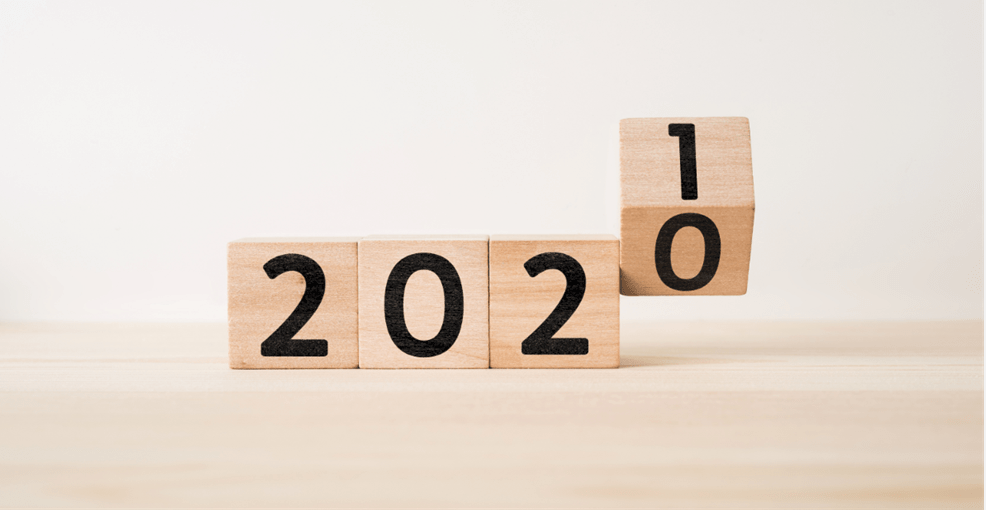
During these last few hours of 2021, I am trying to take stock of this year, which started in a tortuous way and ended pretty much straight! Unlike 2020 (which was dominated by fear and stagnation), 2021 was more than a positive year that helped me experiment and to widen my horizons! It was a period of recovery, but not only that.
I tried several new things: it was a year marked by friendships; I opened up (for the first time in my life!) to online dating; I reopened a blog (after a 6 years hiatus); I went back to film photography (whoop whoop!); I planned to move to a new country. Throughout the year I gained more self-consciousness and these past 12 months encouraged me to trust my intuitions! On the professional side it was hectic as I struggled to focus on tasks and prioritize my work. Sometimes time passed quickly and at other times slowly.
My HOPE for 2022 is to be more structured in pursuit of my personal life, work & hobby.
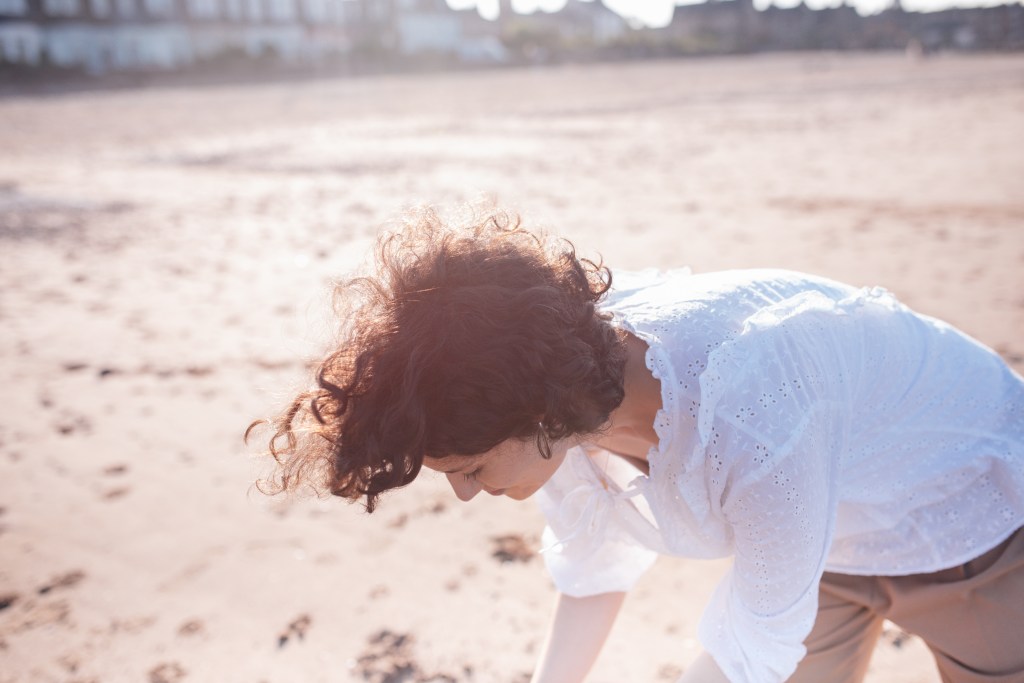
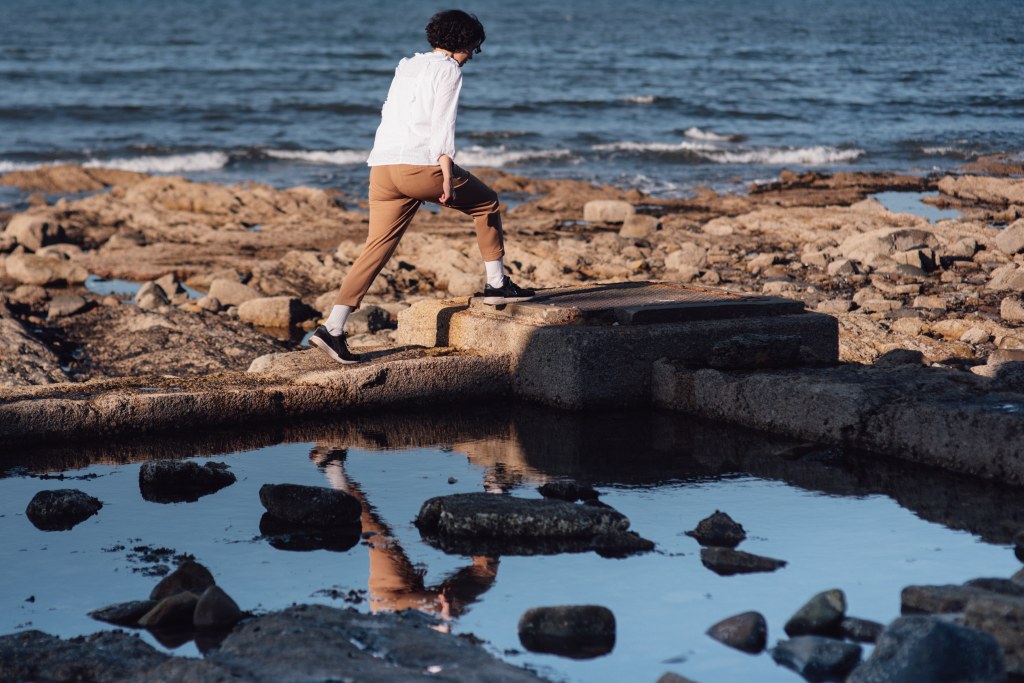
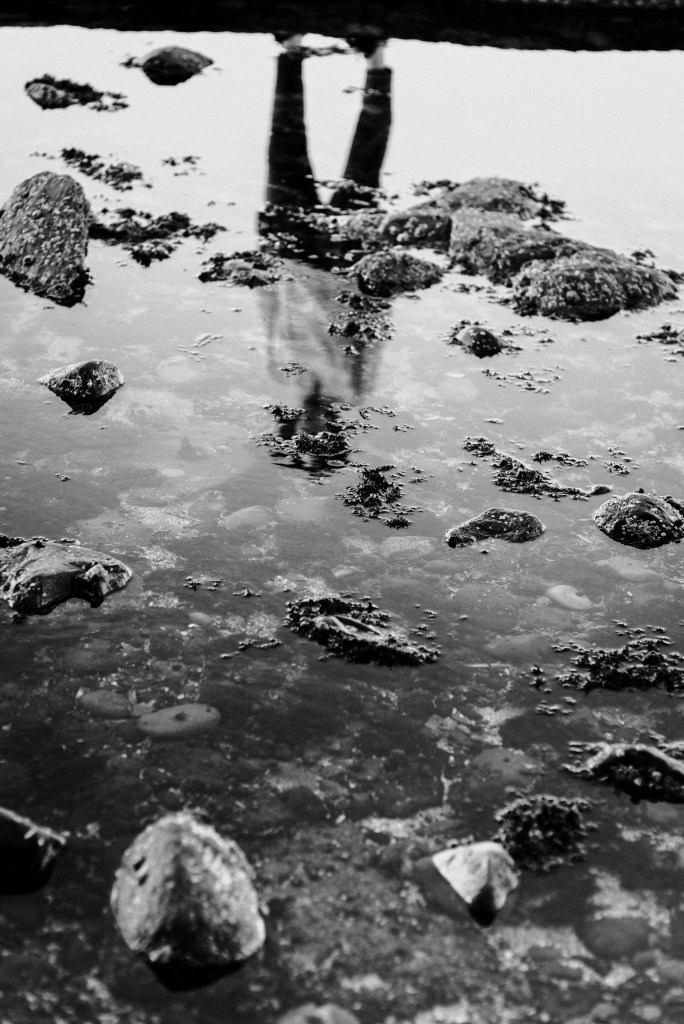
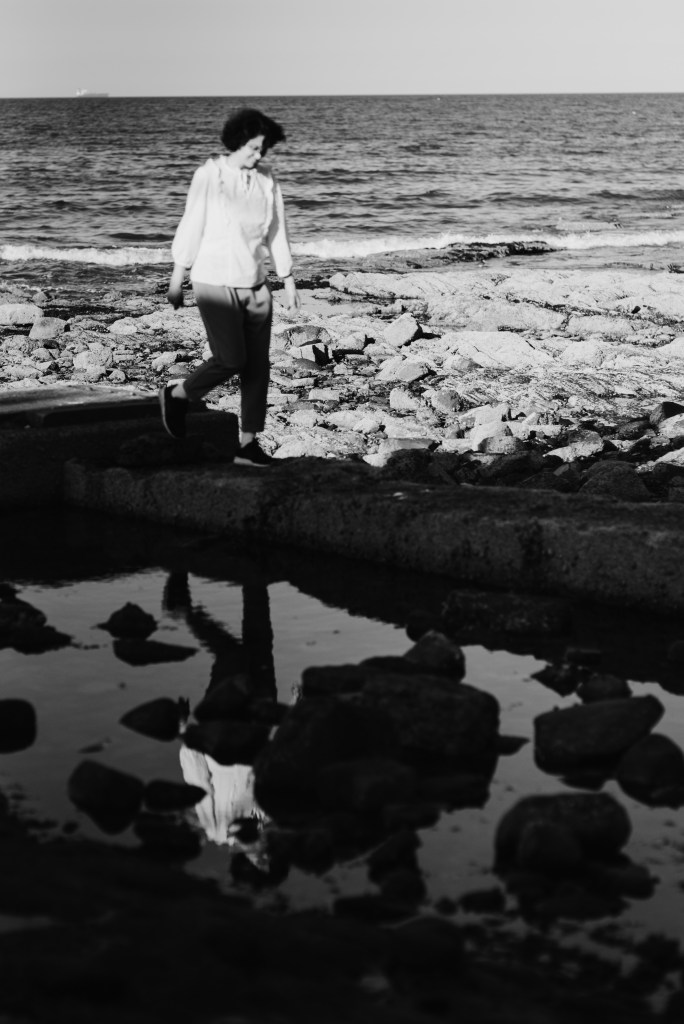
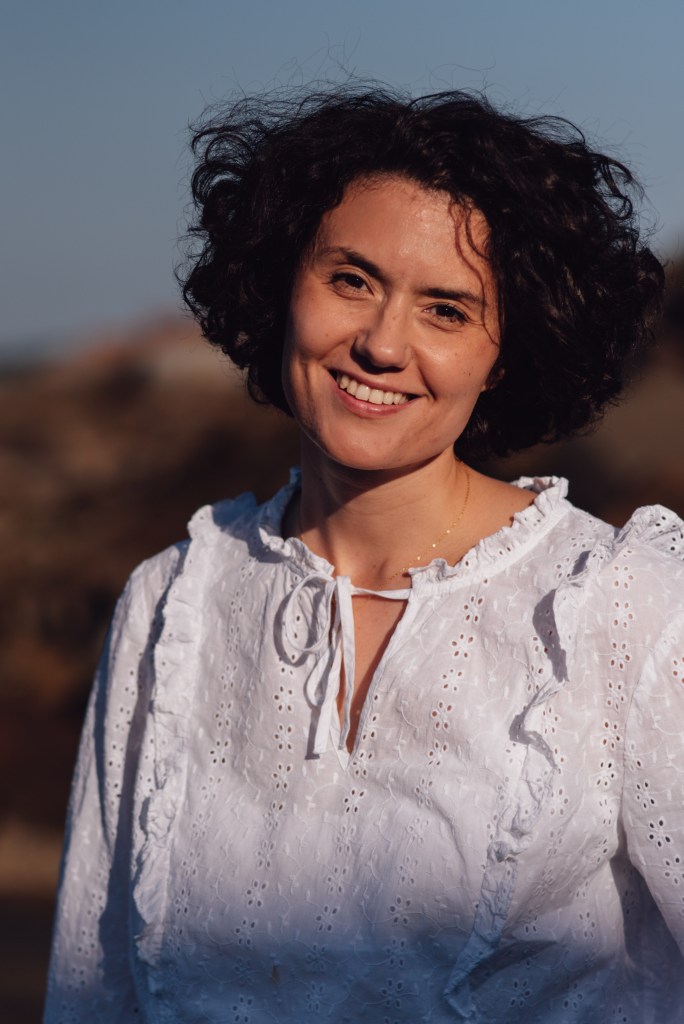
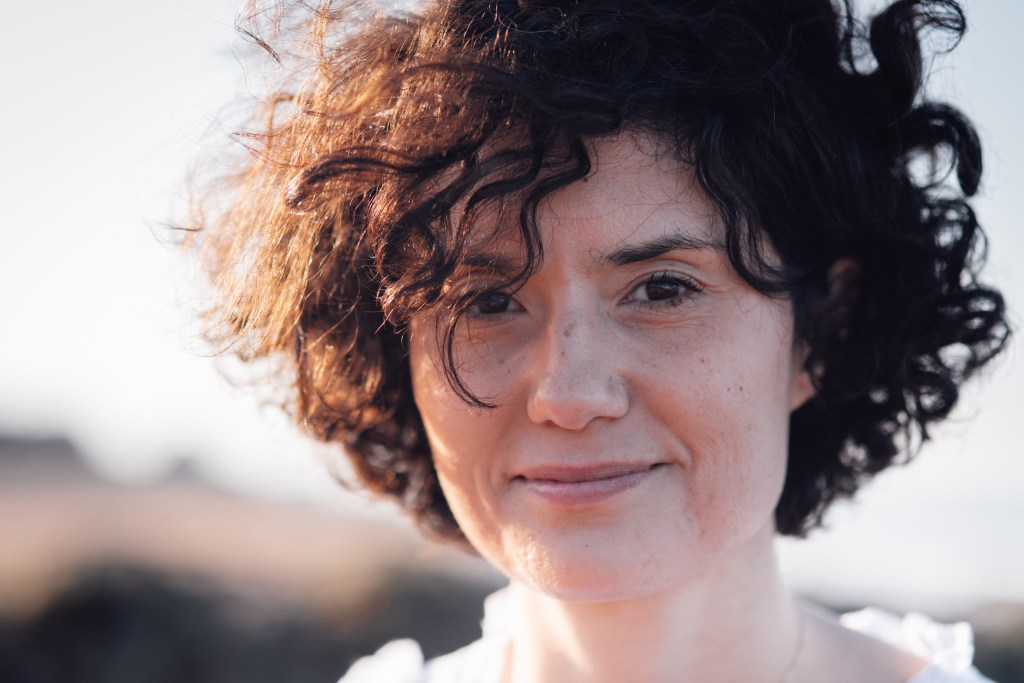
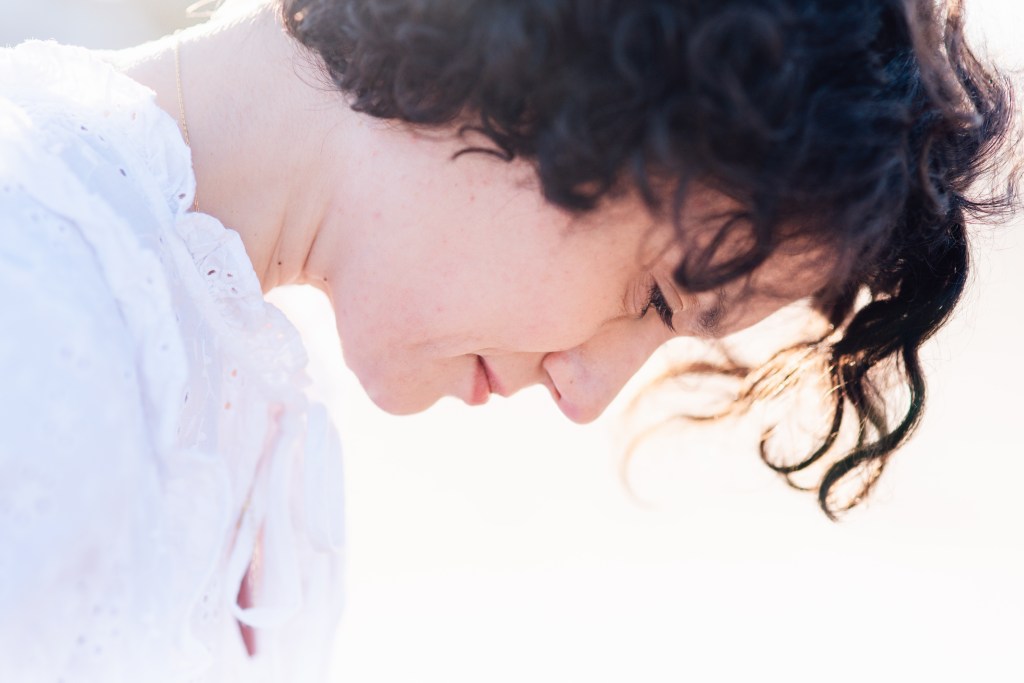
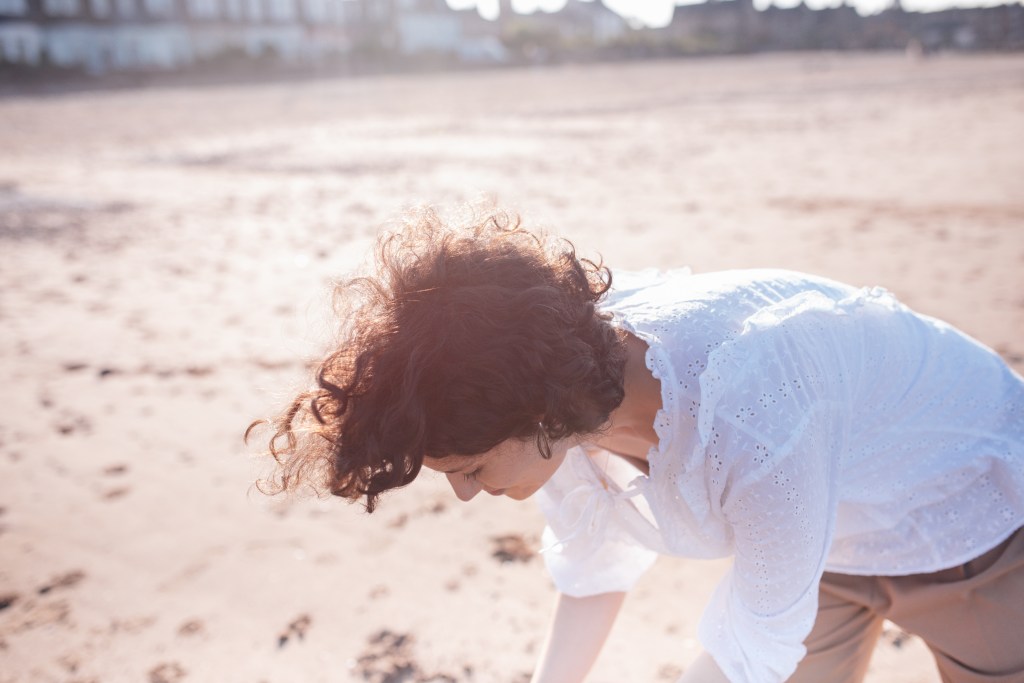
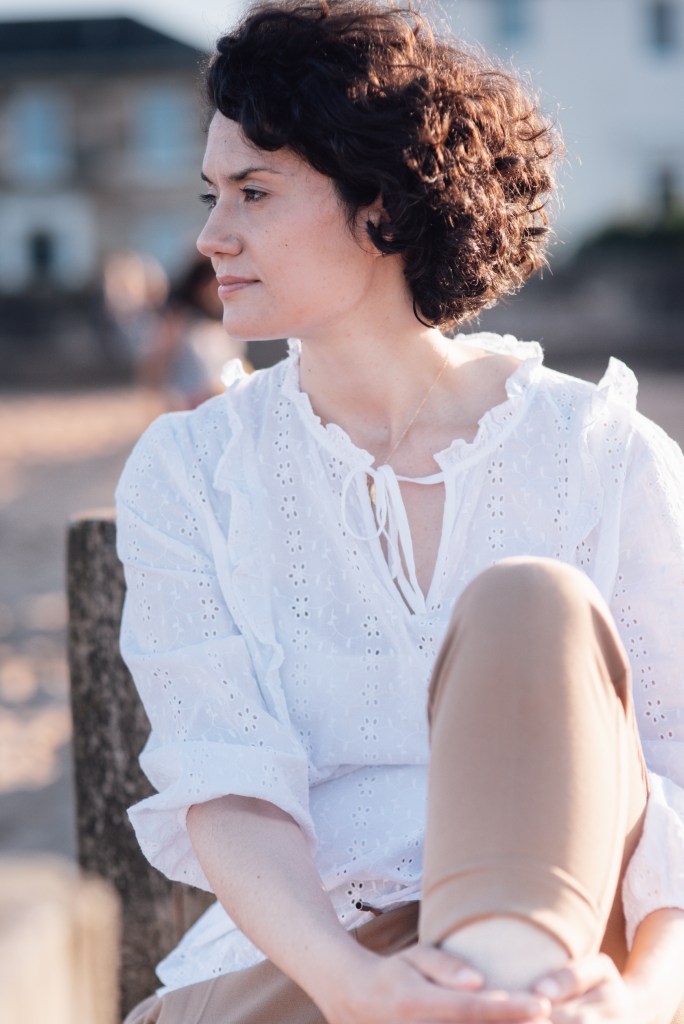
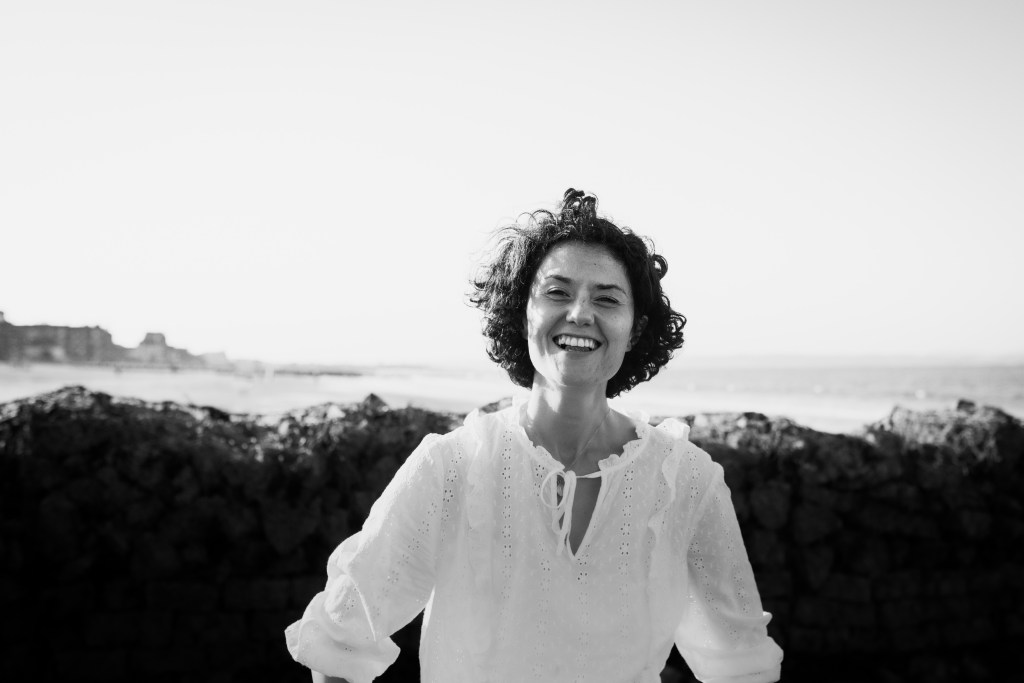
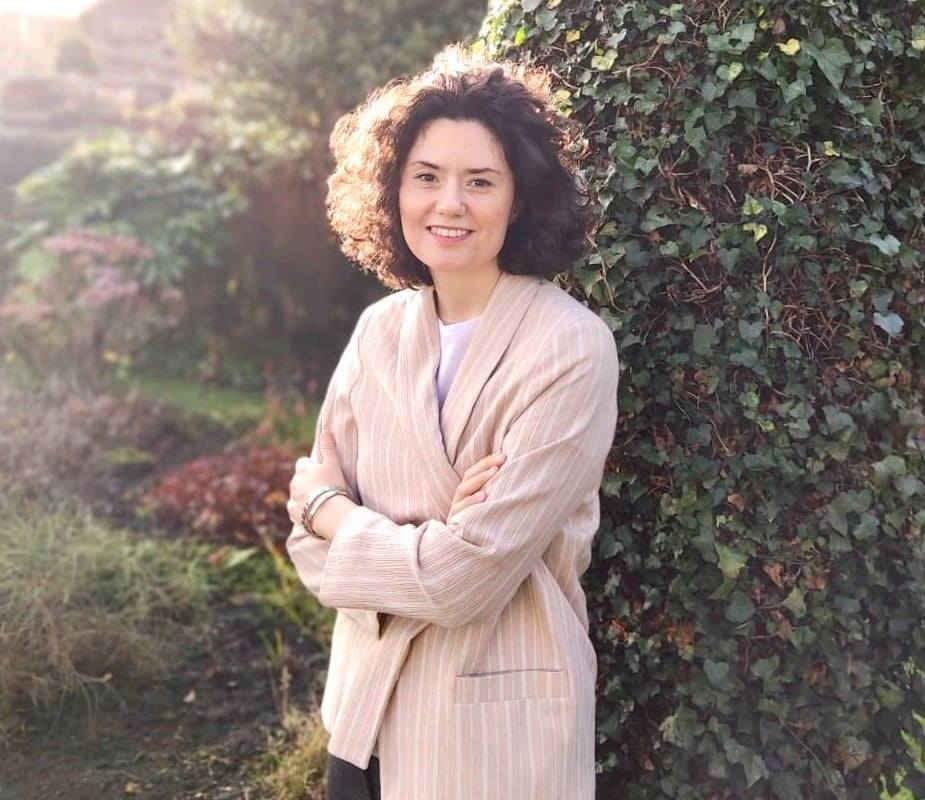
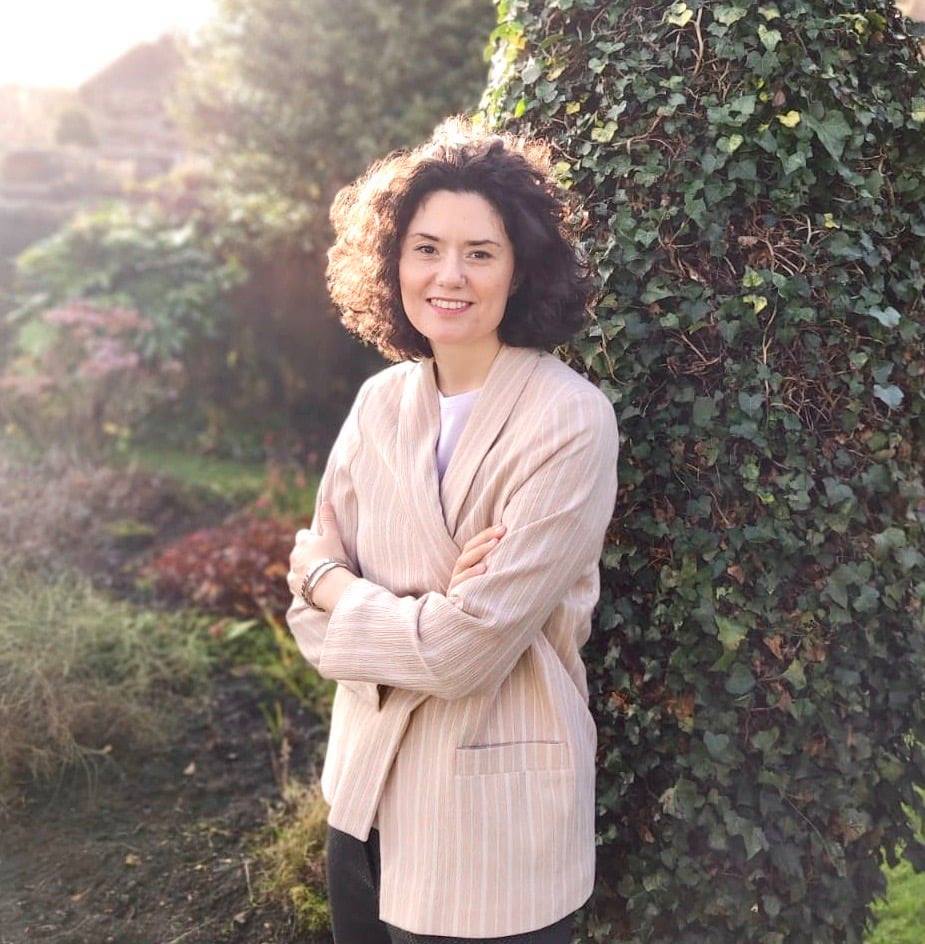
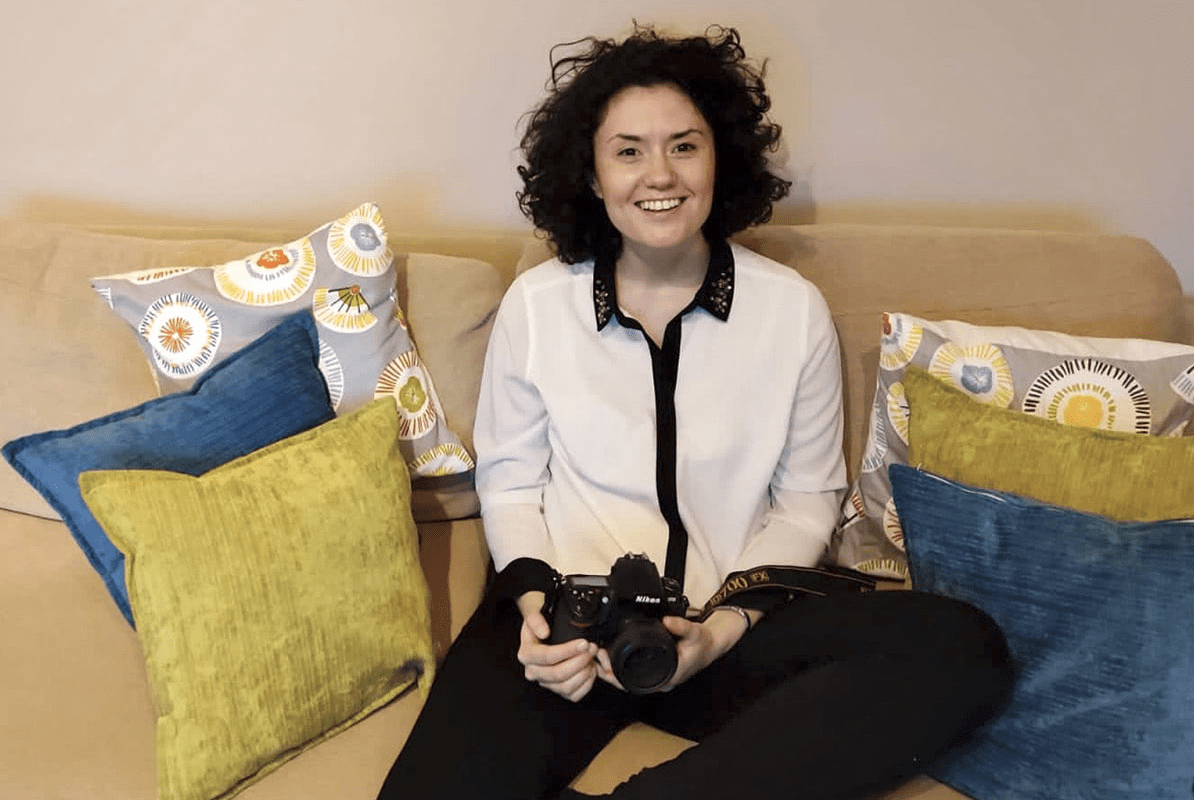
I recently had portraits taken of…me! This is the story. I wanted to frame a nice picture of me for my dad’s birthday, so I contacted Portobello based photographer Jo Tennant. From time to time I enjoy modeling: yes, I have a “peacock side”! When it comes to portraiture I am also very curious to observe other photographer’s working (especially if they are Professionals). Posing for Jo was good fun: she is 100% approachable & while we were working, we chatted all the time of the shoot!! I really felt comfortable and I am really happy to praise her work & artistic talent with this post. When I received the pictures I was blown away!! They are how I wanted them to be: spontaneous, gorgeous shots, filled with mesmerizing colour and with the a beautiful golden hour lighting!
One of my weakest points is not being constant, not producing articles or taking photo shoots regularly. I would like to write more often and on a regular basis. There are periods where my brain is filled with ideas and I readily jump into action whilst other times I am almost drained of initiative. I have always been ashamed of this side of my personality. I should push myself more forcefully (I can be lazy!) but sometimes I just lack the impetus. Over the past few years I brainstormed a lot about my Facebook page (and I also asked advice from my friends): how to direct it, what topics to publish, what could be perceived as more interesting but at the same time would also catch my interest and any others who follow me.
At the moment I have a sort of a mental block but I am sure it is only temporary! Generally speaking, I would say that variety is important, like talking about my photographic journey, my shots, other photographers’ portfolios & experiences, new ideas & trends, maybe equipments…but always about photography!
If you have nothing interesting to say, it is better to be quiet for a while but that’s not an original thought!!
Freak-out moment, this is an interview-share!! I needed a tandem, somebody to back me up in this project and Campbell accepted to be part of the game. I wanted to make a small video where I was saying something about my photography but I was not brave enough to do it by myself. So I asked him if he would like to be involved in a few questions between amateur photographers, a sort of “Ask anything of” about our approach to photography.
I was curious and wanted to have a try: I did not know whether the video format would be suitable for me. So Campbell and I (we are both shy!), decided to display an insane self-confidence and put ourselves in this teaser, asking each other a couple of questions, after studying each other’s portfolio.
Now there is some excitement in the air : have we done something meaningful? Is my English good enough ?! What we know at this stage is that it was a formative experience for both of us. We have encouraged each other to prepare this mini-interview and also to think about our answers. It was a challenge to step up to the “battle field”, without any serious expertise, talking, being ourselves, eventually preparing to receive some feedback and still trying to enjoy the process.
A few words about Campbell Montgomery:
Apart from being my “partner in crime” in this project, Campbell is the brother of one of my best friends. I met him through her a couple of years ago. He is a young man and a passionate amateur photographer. If you visit his website : you will realise his raw artistic talent. He focuses on landscapes, nature and abandoned places. I find that his images are really classy and elegant and pick up the details in an exquisite way.
When I was at school there were so many diaries, pencil cases and notebooks with the beautiful, peaceful, dreamy images of children by Anne Geddes. For me she has always been a sort of magician, with a secret aurea surrounding her and her work. The type and quality of pictures she took are awesome, even although I prefer a more natural approach. I always wondered how she managed to work with very young children. I have had only 4 or 5 shoots with newborns and every time it was extremely challenging.
The cover of the issue of L’Uomo Vogue of February is of Anne Geddes. Feel free to browse through their website to check it:
I can’t remember how I discovered the portfolio of Martine Franck (1938-2012). It was 5 or 6 years ago and it immediately captured my attention. She is now one of my favourite photographers. I feel close to her sensibility & approach to photography and also, I identify myself through her interpretation and methods of photographing people.
She was born in Antwerp in a wealthy family (her father was a banker and an art collector) and grew up between the UK and the USA. She flew back to Europe after the war and studied Arts in Madrid and Paris. She was a passionate traveller and started taking pictures in the ’60s, with her Leica, when she was exploring the Far East. Her favorite subjects were travel shots, artists’ portraits and street photography. After settling in France in 1964, she worked as assistant for photographers such as Eliot Elisofon and Gjon Mili before becoming herself a freelancer. She collaborated with famous magazines (Vogue, Life, Sports Illustrated) as well a Théâtre du Soleil. In 1966 she met Henri Cartier-Bresson whom she married in 1970, they had a daughter, Mélanie, a few years later. In 1980 Martine joined the Magnum Agency. She carefully documented the “human condition” of her times and was an active reporter in capturing social issues.
In her images there is a search for a human touch and shows an empathetic attitude in observing other human beings. I guess that photography was her passion but it probably was also a service that she was performing for the community. In her reportages, she was passionate, committed and curious, in a honest, brave, spontaneous and intense way.
I admire her as a woman and as a photographer. She was socially involved, and put the heart in what she was doing. In her photos I see a hint of curiosity, spontaneity, coolness with a touch of geniality, but also affection. She must have had a warm hearted side and she capable to love people, to be “close” to people. Something that was not shared by her husband, even though he was technically exemplary!
2020 has undoubtedly been a ghastly and exhausting year and has felt as if it would never end. We have lived through what we could have never imagined as possible. Considering how events were progressing, on more occasions I feared that the “very worst” might happen but actually it never arrived. My family and the people I love are still here. I have been facing my fears, some doubts and decisions-to-be-made about my future and have reviewed a couple of relationships.
On the other hand, if this year has sounded slow, almost frozen, the entire decade has really flown by and a new one is about to start. So much has happened during the past 10 years: from being a student I became a professional, I had the opportunity to live in and discover different countries, I have met so many people and this has impacted on my life as a blessing. I have become more self-conscious, somehow some part of me has changed and my way of thinking is slightly different. My photography has evolved quite a lot in interesting ways.
I would describe my “2010 > 2020 phase” as psychologically tough, self-inquisitive, challenging, adventurous, idealistic, passionate, restless, fast. It was a stage of life that I needed to go through and I did it.
What do I hope and expect now for the next decade? Less moving around and to settle down!
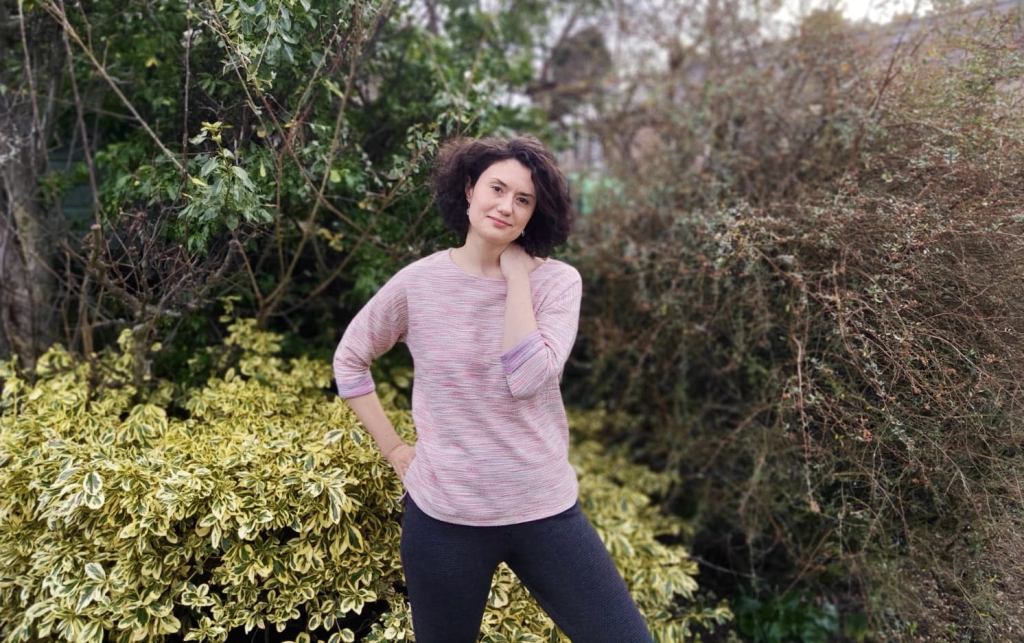
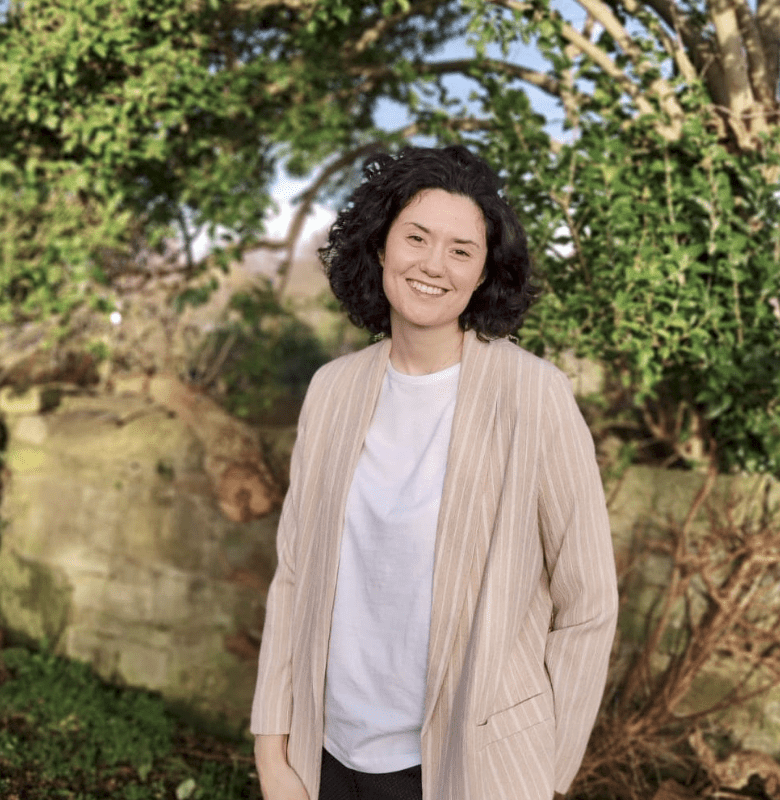
P.S. I can reassure you that the picture is not a photo-montage, I really was in the garden. It was just taken with a very shallow depth of field!
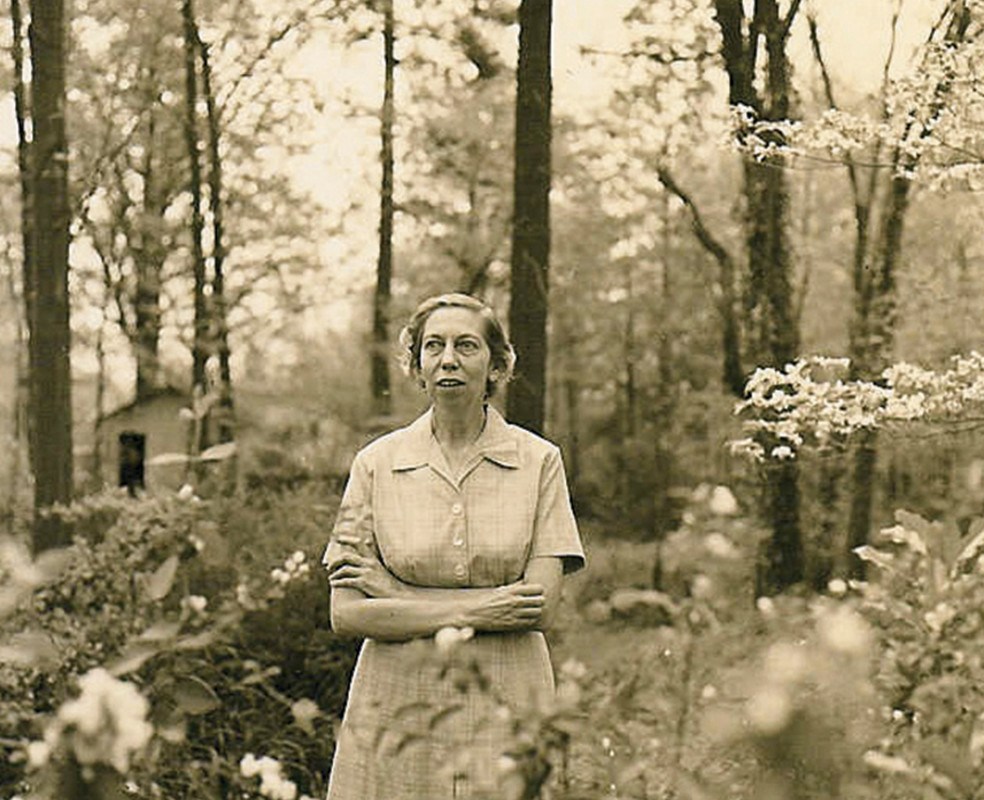
Eudora Welty was born in Jackson, Mississippi, in 1909 and there she died, almost a century later, in 2001. She was a writer and a photographer. Her father, an amateur photographer, passed on the camera’s passion to her, and Eudora started taking pictures in the late 1920s. A relatively prolific writer, she published short stories and novels for various magazines and she worked also as an advertising agent and a radio operator.
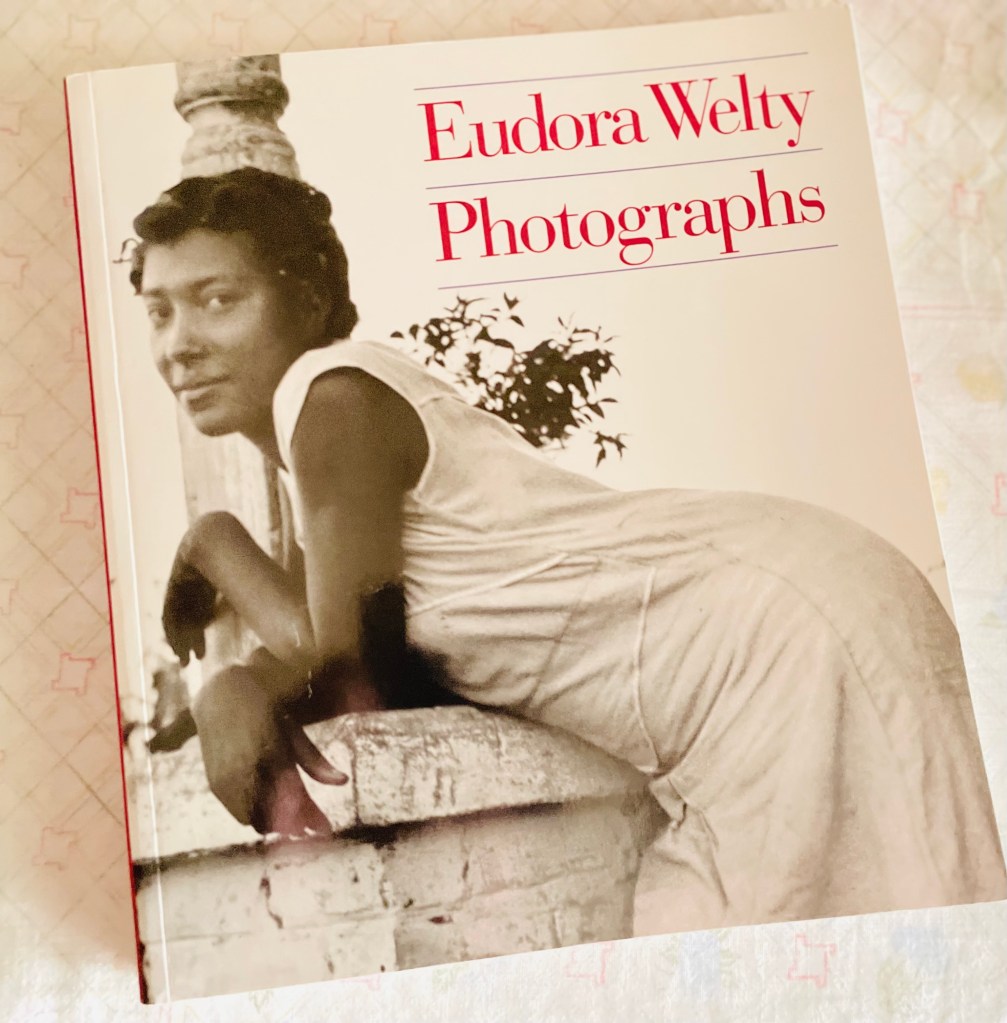
In my utter ignorance, I didn’t know her at all. I didn’t even know that she had won the Pulitzer Prize in 1973 for her novel “The Optimist’s Daughter”. I discovered her portfolio recently, whilst I was doing some research on Afro-American portraiture in deep South, and I bought a book with her photos (see photo below). At first glance her photos made quite an impression on me: I was struck by the spontaneity and the unconventional situations she managed to capture. However, on a second viewing, I noticed a certain lack of technicalities in lighting, composition and framing.
She had a streak of genius and the sacred fire of art was within her. I wonder whether she considered herself a real photographer. As Aries, she was tenacious and did not lack in courage. In fact she was a rebel and a pioneer, for the type of photos that she took and for the subjects that she chose: mainly people of color and the poor classes around the Great Depression (30s), through to the 60s. Taking the camera in her hands allowed her to document the struggles and aspirations of the under-classes that were invisible and ignored. I don’t believe she had a constant self-confidence, even though probably she didn’t let others know this. But at the same time, I don’t think that she really cared what other people thought about her and her work.
Well done, Eudora, your qualities are an example to us all!
I feel a bit uncomfortable to acknowledge this but…very often I take things on the personal side (yes, I am touchy!!). Accepting and handling criticism is a big challenge for me. This is applicable to my photographic experience as well as to my life’s journey.
I am here now thanks to a lot of hidden work that happened “behind the scenes”. We become who we are and we eventually succeed although other people won’t be able to see what has led to our present circumstances. Criticism does not necessarely need to be negative and positive criticism is an essential tool to allow us to challenge and improve ourselves. Even if it is “negative”, you can use it to achieve positive results.
I believe that criticism depends a lot on “Who”, “How” and “Why” it is made and if you want to receive it. How do you perceive the critic? Is he/she respected in the field of knowledge or just a “loud mouth”? What does this person represent to you? Is there an emotional bond between giver and receiver? In the end is criticism subjective or objective or both?
In my life I have received the “best “critics from people who loved me but sometimes also from those with whom I had little or no connection. I understood that in the end, they weren’t polemical notes against me, as they allowed me later to move forward. I think that a serious critic should have an in-depth knowledge of the topic or object under discussion and an honest attitude towards you. We all make mistakes but we should be self-aware enough to recognise them and turn them into strengths and a learnt experience.
Ru & Ian, your garden is stunning! P. s. Thank you Fra for this lovely shot!
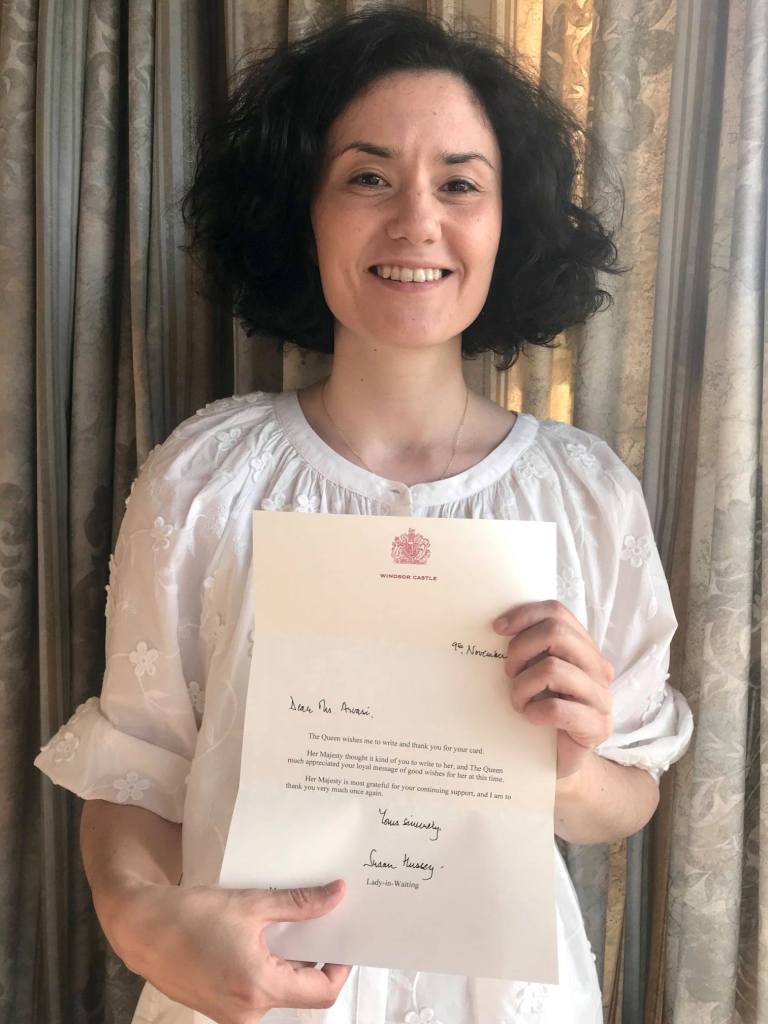
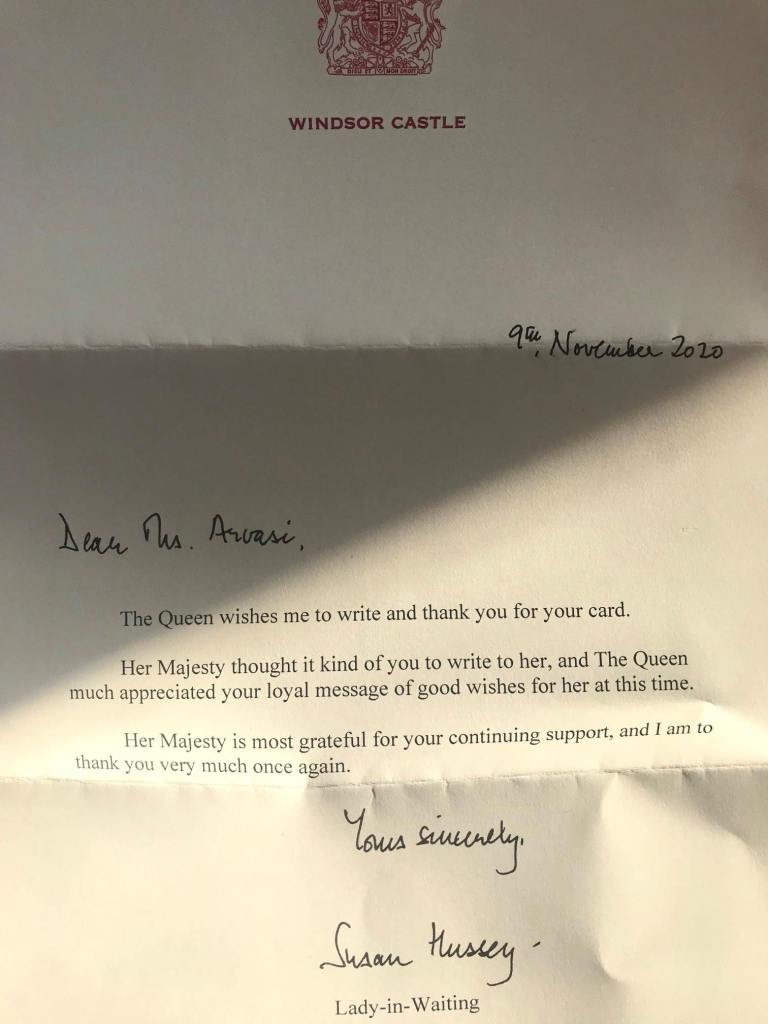
The Queen has a passion for photography and she has played a huge role in the contemporary history of this country but it is not just that…She has set the bar high, providing us with an example of a life grounded in a sense of responsible duty, free from selfishness. I have always wondered how she made it through several decades, being so stable and dutiful. I admire and respect her deeply, both on the professional and personal side.
In springtime I sent her a short Thank-you letter, saying how much I appreciated her for being a good example to others and for applying constantly a strong sense of justice, dignity, discipline and search for truth. And last month I was surprised and delighted that I got a response!! I am happy to display the letter here…God save the Queen!!
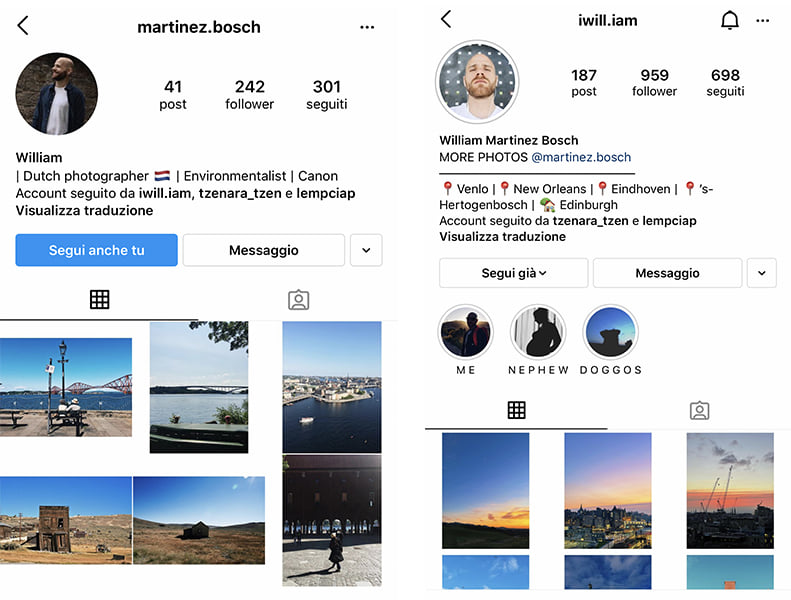
I believe that art reaches our sensibilities and can touch invisible strings in our soul. So many people have an artistic vein and many are not fully aware of it! I met William Martinez Bosch (see the beautiful model in the previous post!), through work, a couple of years ago. After following him on Instagram, I was delighted to discover and admire his travel and street photography shots. I find he is incredibly talented! I like the sense of geometry, shapes and curves that you can find in his images. I decided to ask him a few questions about his personal and photographic journey, as an amateur, and he kindly accepted!
William has two Instagram accounts, you can find the first one by clicking here whilst the second one is there!
– Tell me a bit about yourself and your story…
I grew up and lived most of my life in the Netherlands. Lost my father after I turned 18 which brought the family closer together and since I came out to my family during this time as well, I started becoming my own person more and more. After high school I started studying law but gave that up very quickly because I didn’t feel like I belonged there. I ended up doing a degree in North American Studies for which I spent some time in New Orleans. That was the first time I was away from my family for an extended period, and it allowed me to gain a greater understanding of the world. After my return, the feeling I’ve always had of not belonging in the Netherlands grew stronger and upon finishing my degree I started looking for another master’s degree abroad. After almost a year of deciding where to go and withdrawing my enrolments from Universities in the US and Australia, I was made aware of Edinburgh by a friend whom I met during my time in New Orleans. I decided to apply here and was accepted. I always feel that though my first degree didn’t provide me with excellent job opportunities, it did lead me to where I am now, and I am very happy it did.
– When and how did you take up photography?
I can’t really tell you the moment I took up photography as I always had an interest in it. As soon as smartphones started to have decent cameras, I played around with it. I didn’t have a proper camera till I turned 25 which I first used it on my travels through the United States. It was after this that I actively started to take photograph and develop my Instagram.
– From your portfolio, I can see mainly travel, street photography and architectural images: do you have any preference?
I don’t really have a preference as it often depends on the situation, I find myself in and the mood. Photography, for me, is very instinctive, you could say. It has to feel right for me. Especially when it comes to my Instagram account, the decision to upload a picture is based on how much I feel the photo matches the aesthetic of the rest of my portfolio. If I had to pick one, I would go for street photography because I really love candid and unposed photos. Relying on the moment and the photographer’s ability to capture it.
– Do you prefer using your mobile or camera?
For convenience’s sake I’ll have to say mobile. Capturing photos, editing, and posting can all be done on the same device which makes it very useful when you’re out and about and you want to share it straight away. Quality wise, though my iPhone does have a very good camera, I have to go with a proper camera.
– You have a strong sense for geometric shapes and form. Have you previously studied art or architecture?
I can’t say I properly studied art or architecture, but in high school I did study art and art history was part of that. Despite that, I was never really good at drawing or painting realism. I often reverted to the abstract which included geometric shapes. Architecture would have been my other choice of degree if I didn’t pursue my current one. Ever since I was a little kid, I used to draw houses and was interested in architecture so I guess you can see that come back in my photography.
– What does photography mean to you?
For me it is a form of artistic expression that enables me to portray objects/people/scenery in a different light. It also allows the viewer to stop and take in/appreciate the beauty of things.
– Do you think you manage to express a part of yourself through your shots?
Not sure about this one. I don’t really feel that I’ve found my true self in photography yet. I feel that I’m still figuring out what it is that makes my photographs inherently me or what makers my photographs stand out. I also believe that I need to delve into photography more. Read and study about it and take up some photography courses as soon as life returns back to normal.
It took me a while to discover the meaning of Fine Art Photography. Fine Art Photography is generally described as relating to the intent of the photographer since the photographer is using photography as a medium for a creative expression. The goal of fine art photography is therefore to express an idea, a message, or an emotion in an incisive way.
I agree with this and I like the idea behind Fine Art Photography. It is also an interpretation of our society, people, and the situations in which they find themselves. I firmly believe that Fine Art must be intended as “good quality” photography that is equally a question of taste, sensibility, a combination of elements, colors and feelings.
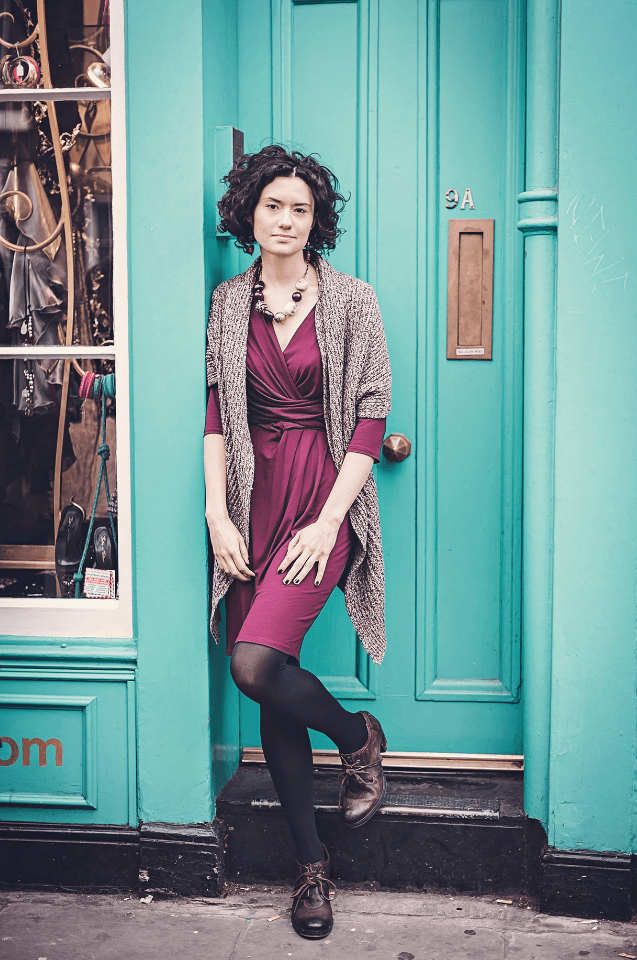
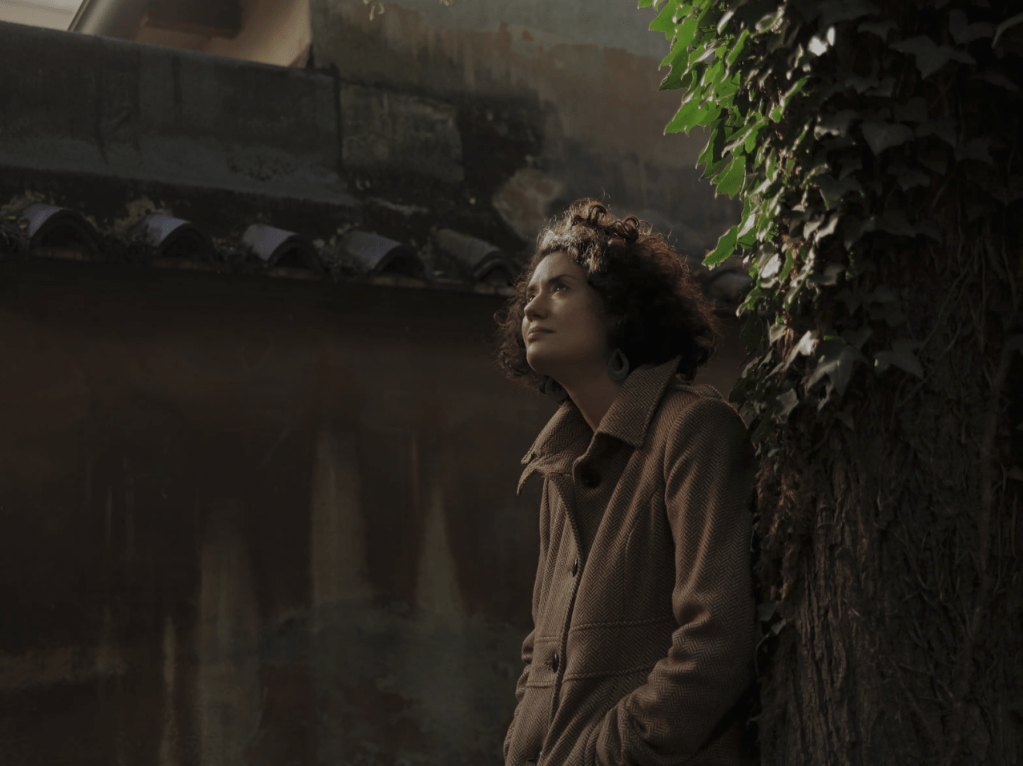
For me these two portraits fit well with the above description, They were taken at different times (in 2013 and in 2020), places (in London and Parma) and by the hands of different photographers (Matthew Bishop Photography and Maria Buttafoco). When I look at them, I feel rather proud to be the subject of a classy, beautifully colour-balanced and tasty composition but it is not just that. To me they bring memories of two different stages of my life that were meaningful and it is the personal factor that, for me, is vital in photography.
I gather that photography after all, as all the arts, is subjective.
When I started photography in 2009 it was a simple hobby without any expectations. I had no idea whether I would be good or not. I jumped into it with both feet because I liked taking pictures. After a few years, I had improved my techniques and equipment and I felt the need to get in touch with other photographers or photo-amateurs. I was looking for some inspiration and for their advice. I wanted to learn and grow and for other people to share our experiences and…the Internet was out there, calling for me!
However, narrating my photographic activity and documenting it on social media has been a long and nonlinear path…my hesitancy and perfectionism must have definitively kicked in the process!! Over 15 years I have been on the following platforms, with different outcomes:
2007: I discovered Facebook
2010: I created a WordPress blog which lasted 5 years. In that period I was also was using on a daily basis my Facebook page
2015: I closed the blog (thinking it was something “out of date”) and opened an account on Flickr
2021: Flickr being almost “dead” + got the feeling that just my Facebook page was not “enough”. Therefore, I went back to my first love, blogging!, as I was missing it and opened this website (that should be closed by the end of this year)… I am not convinced about its layout and navigability!
2023: I opened this blog (the 3rd one) I am writing on now: https://elenaarvasi.com/ I am using and updating it as main tool for my photography
The platform I have loved most and that has given me the most satisfaction is WordPress. It challenges me to express myself, it pushes me to be active on the web and to consider myself as a conceptual artist. Social media has changed my attitude towards work and so many aspects of life. Now we are living and working, in most cases, inside of a technological bubble. Contacts are more frequent and it is easier to discover and follow somebody or something but these contacts can be very superficial. Creating a network on the web is almost essential but often lacks human connection and a deep interaction. A face-to-face exchange makes the difference.
I still believe that a blog is “your face” on the internet, is partly a reflection of your personality and choices and allows a fairly direct approach with the people who follow you. I am thankful to this platform for allowing me to achieve, through learning, developing and persevering, a personal fulfillment and demonstrating to myself that I am capable of reaching my goals, despite the obstacles that I have faced.
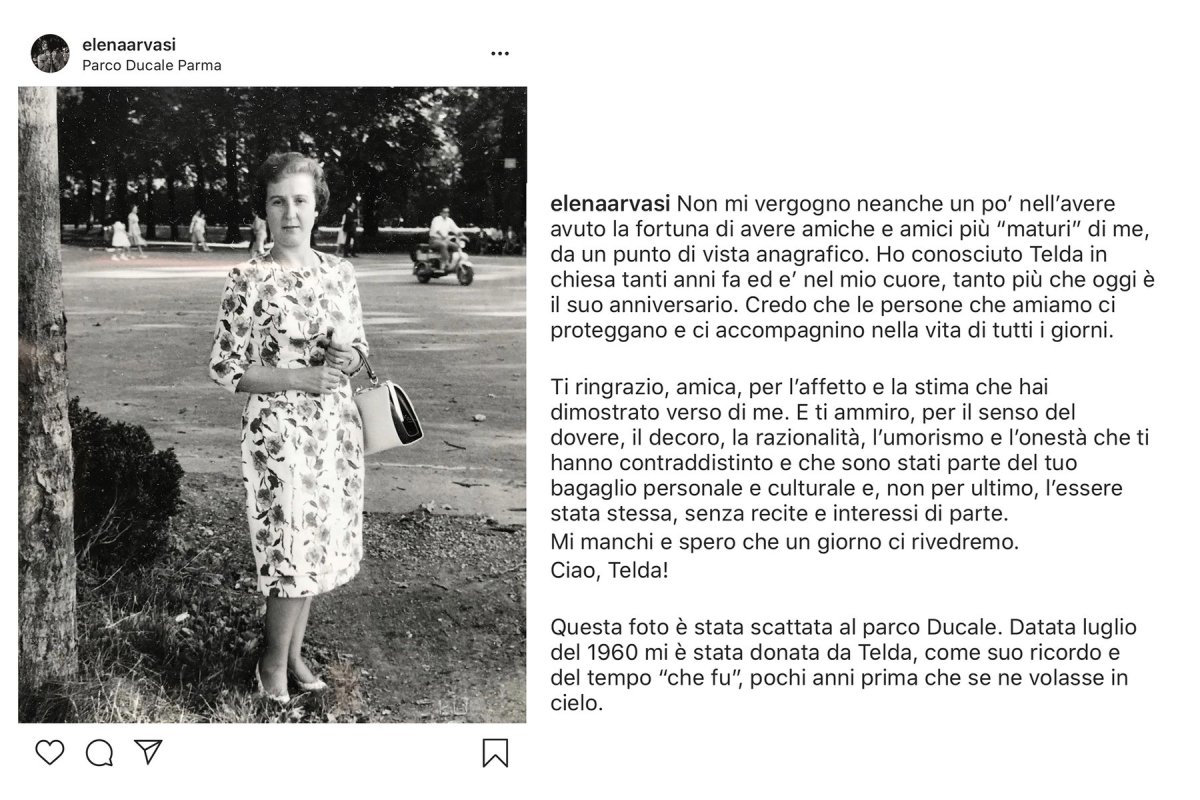
I am turning 37 years old this week-end. I don’t believe that age is important in relationships and I am not ashamed to confess that I have had many friends who are over 60. Some of them are sadly no longer with us. They have a place in my heart.
I consider a part of myself an old, grumpy person. I can be a loner. Maybe also for these reasons I find it easy to establish a connection or a relationship with older folks.
The age gap can form a sort of a peaceful attachment. Older women especially have had a charismatic impact and a caring presence throughout my life. I have been guided and learnt and absorbed lessons like a sponge. There is no sort of competition or sense of judgement that can happen to people of my age.
Talking recently with a good friend (this week-end she will be 75!) she said: “What plans can you see for me at my age?”. When I hear this kind of sentiment, a part of me becomes grey and I feel sad but I got her point. Sometimes I also ask myself what is the purpose of my journey and what am I fighting for.
We are all human and I reckon that most of us can be frail at times. Age can allow us to see things in different perspectives and with more detachment.
What I have always appreciated in older friends is the fact of being a solid, experienced presence, with their feet planted firmely on the ground. They are like a reassuring oak tree in a society whose pieces are moving and dancing all the time. They are just there. Wise teachers. I am really thankful and I feel blessed for their friendship.
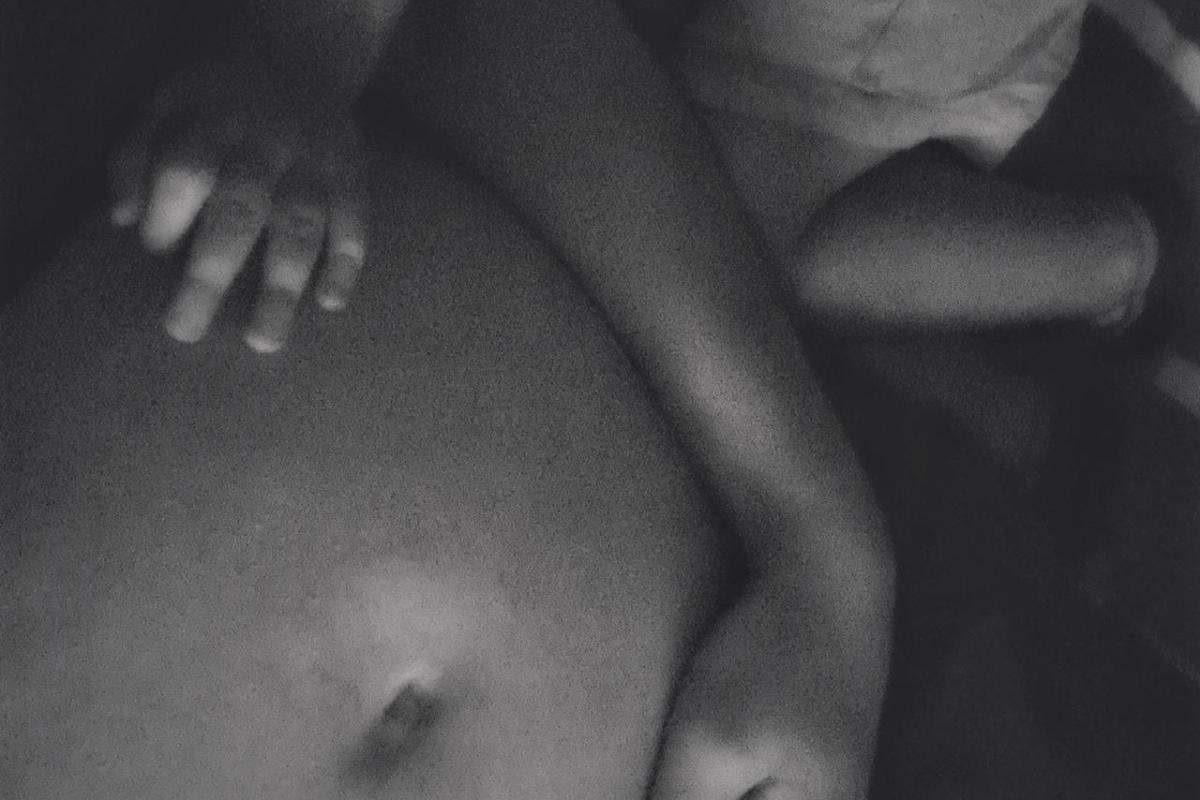
This is a selfie. My friend Francesca, the mum (aka the bump), took it a few days ago in the afternoon, while she was resting with her older daughter Irene (the little hand).
This image, in my opinion, could be suitable for an exhibition; even although it was taken with a mobile in an unplanned moment; even although it is a selfie; even although it is maybe a bit too dark ; even although the quality is not that high. Nothing is missing there. Everything is highlighted and concentrated. There is love, silence, darkness, waiting, hope. Three lives and three hearts close to one another, beating together in such a small, confined space. Everything is captured in this little square mobile upload but the three of them seem ready to jump out of the frame.
I asked Francesca if I could post it on my Facebook page and I hope that this intimate shot will be seen by many, otherwise it would be wasted because it is just perfect. She was delighted for me to do this.
For you created my inmost being;
you knit me together in my mother’s womb.
I praise you because I am fearfully and wonderfully



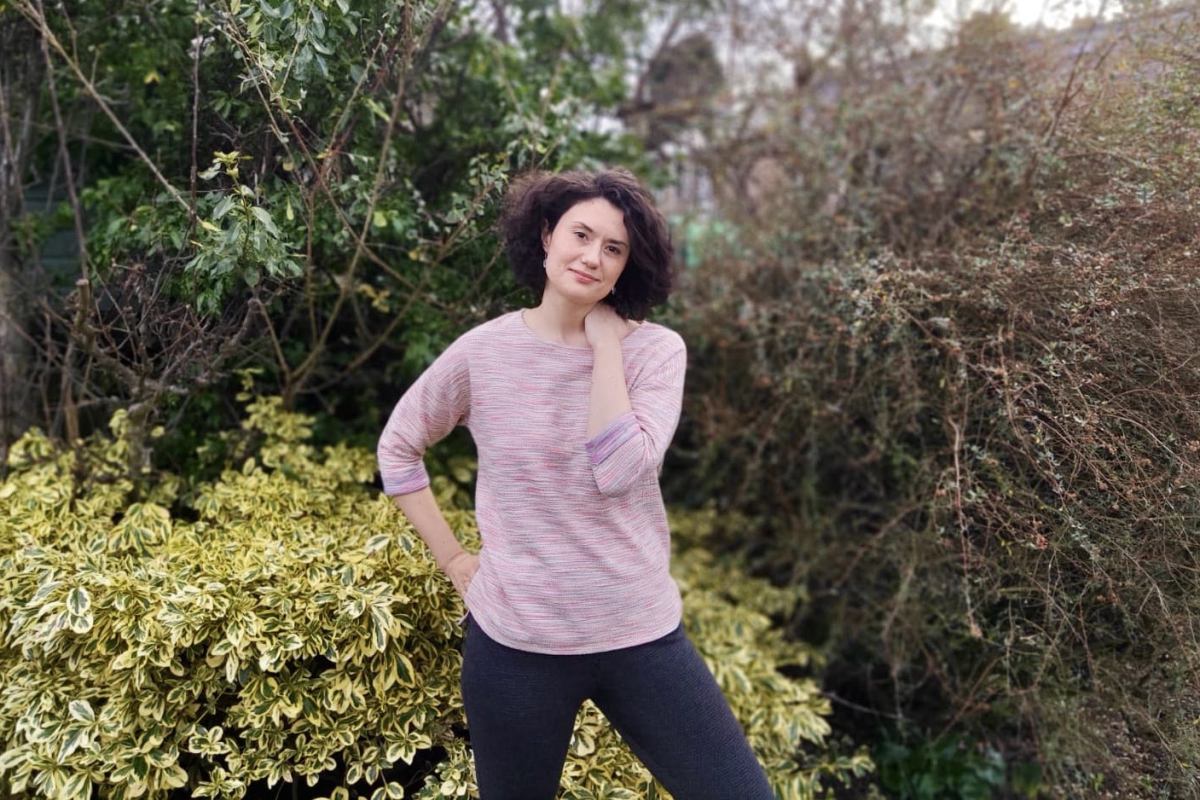

 , I really was in the garden. It was just taken with a very shallow depth of field!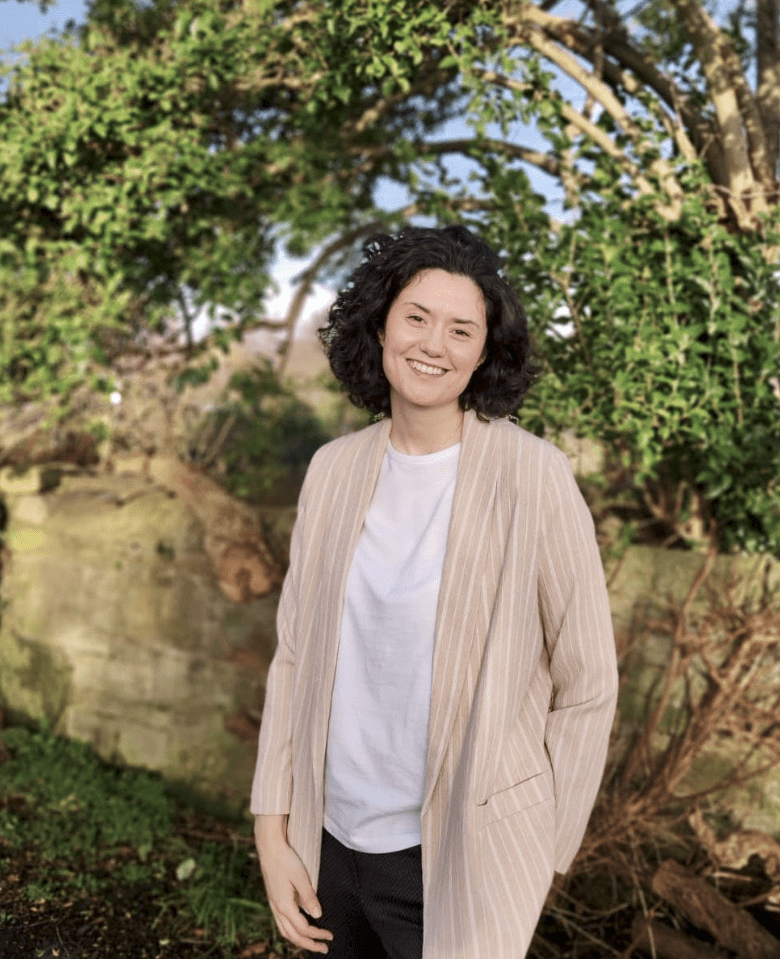




 Elena Arvasi Portrait Photographer