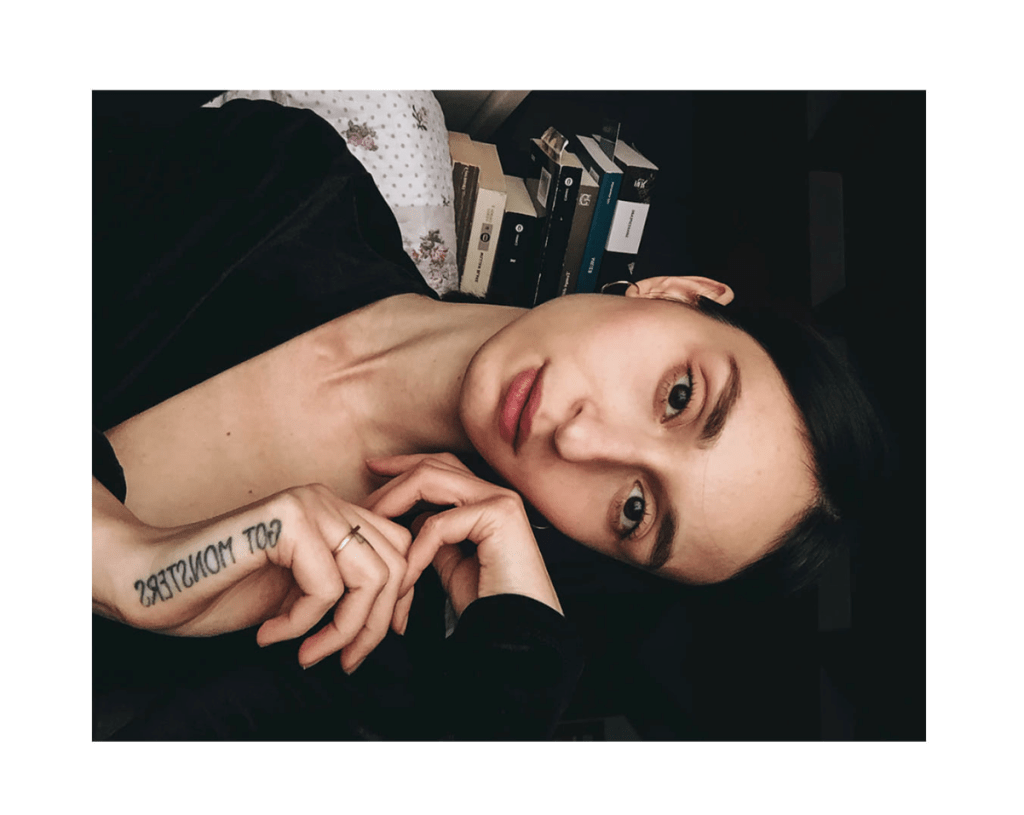
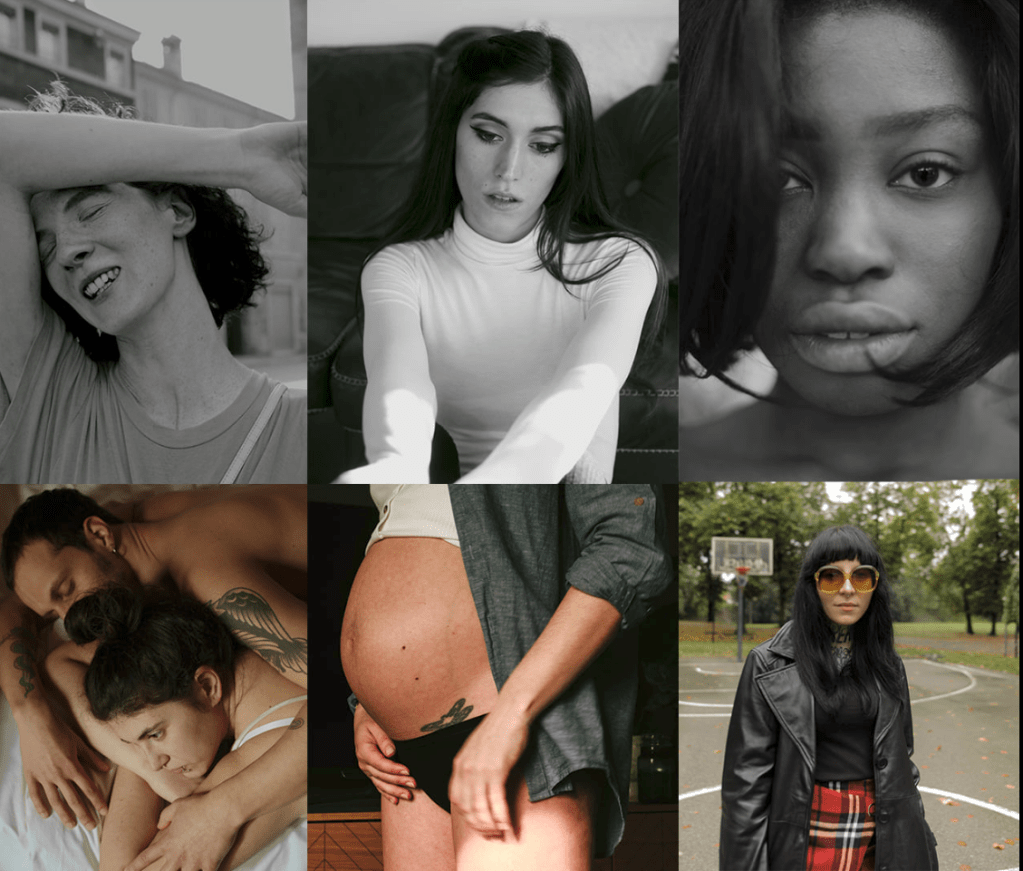
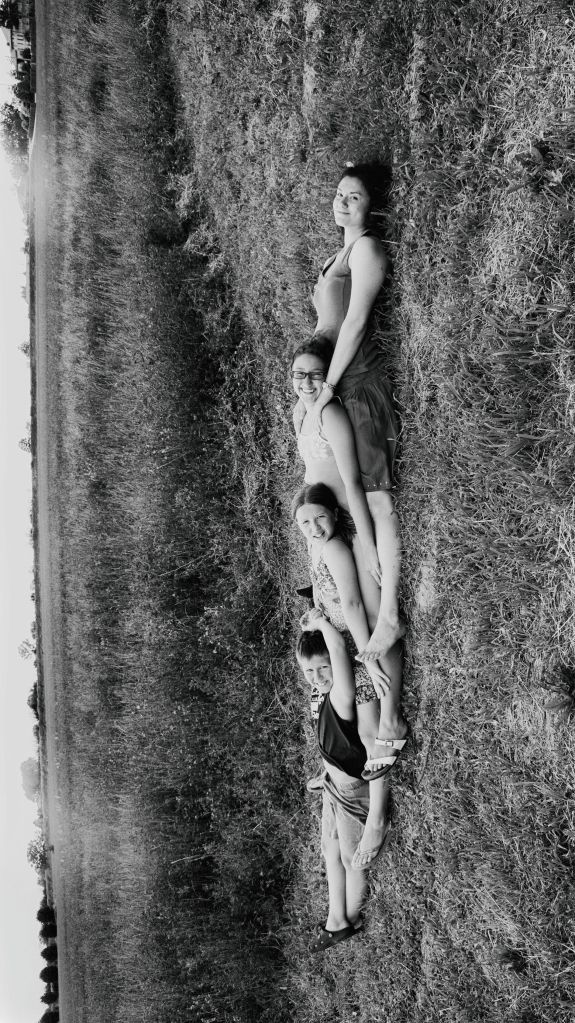
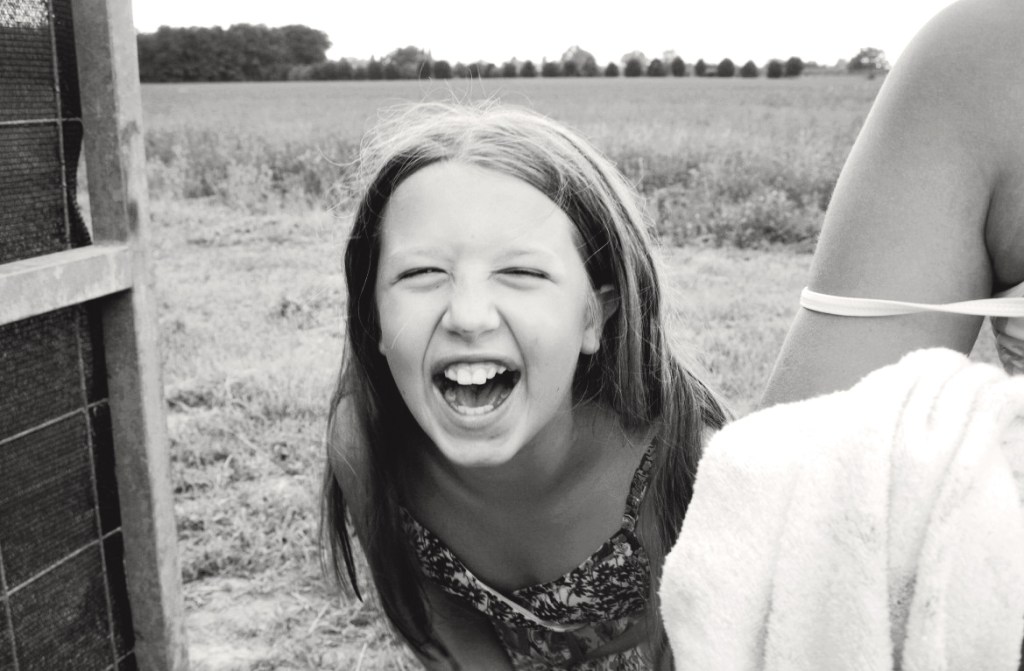
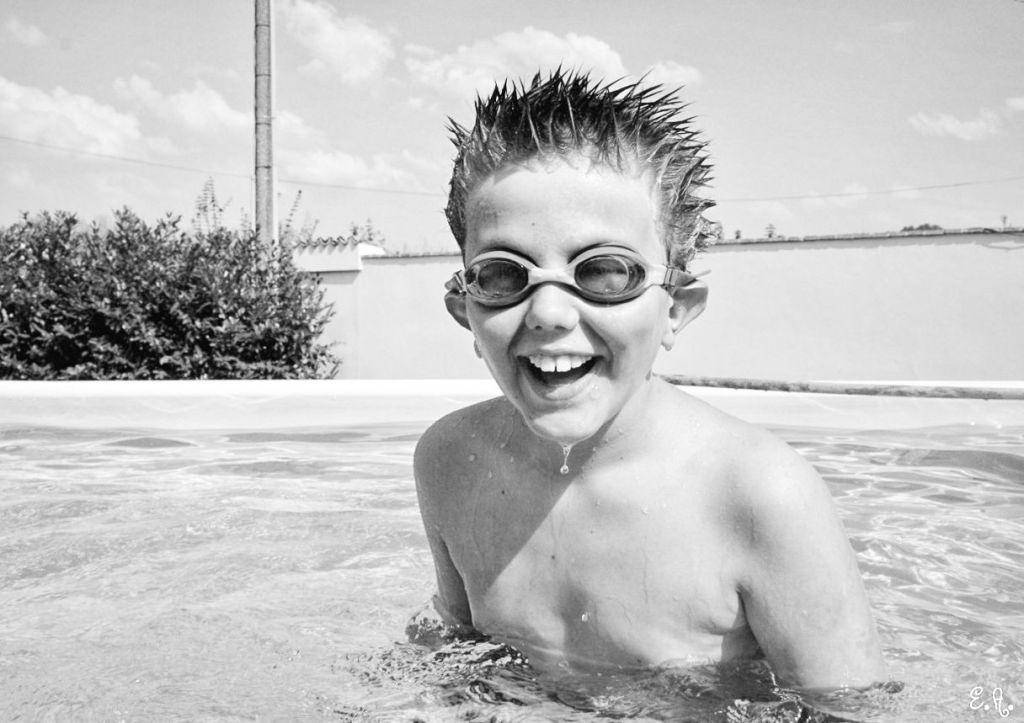
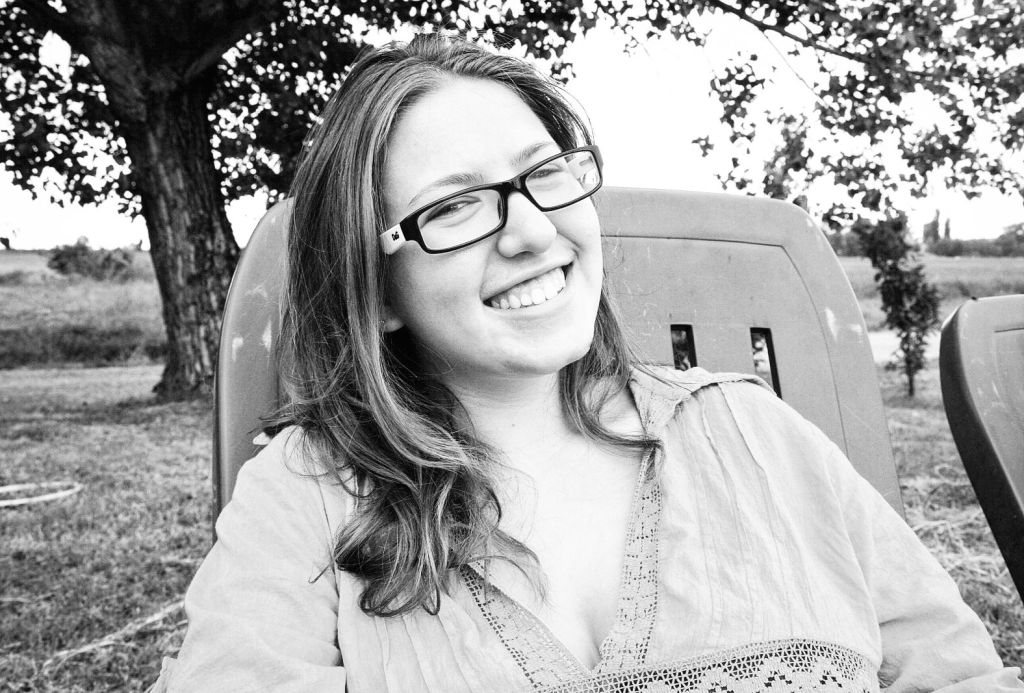
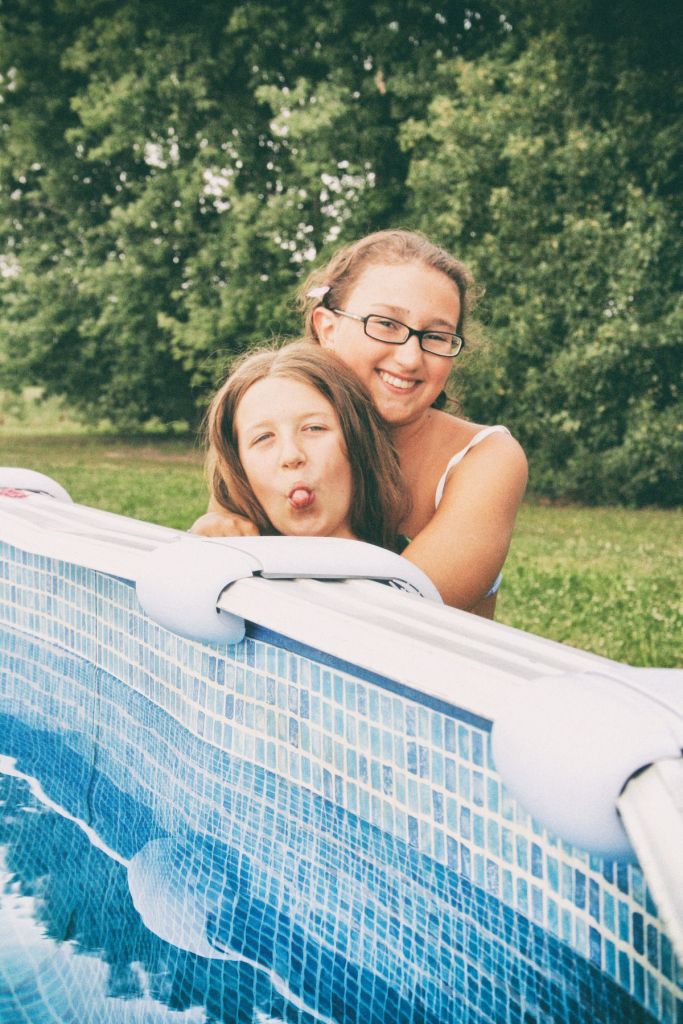
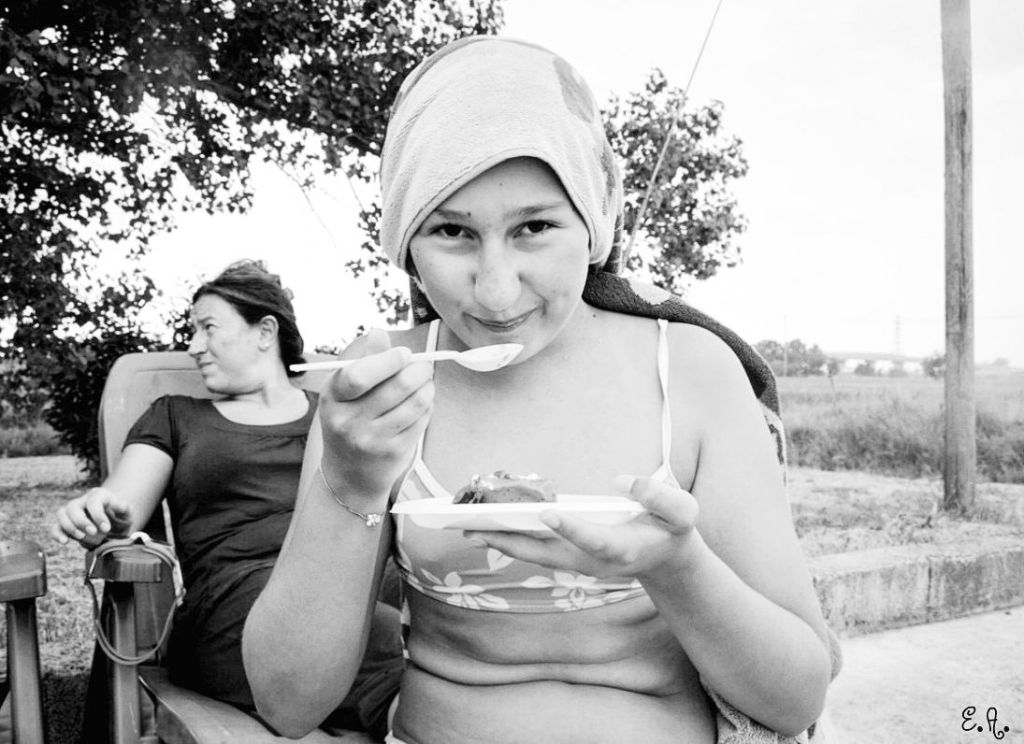
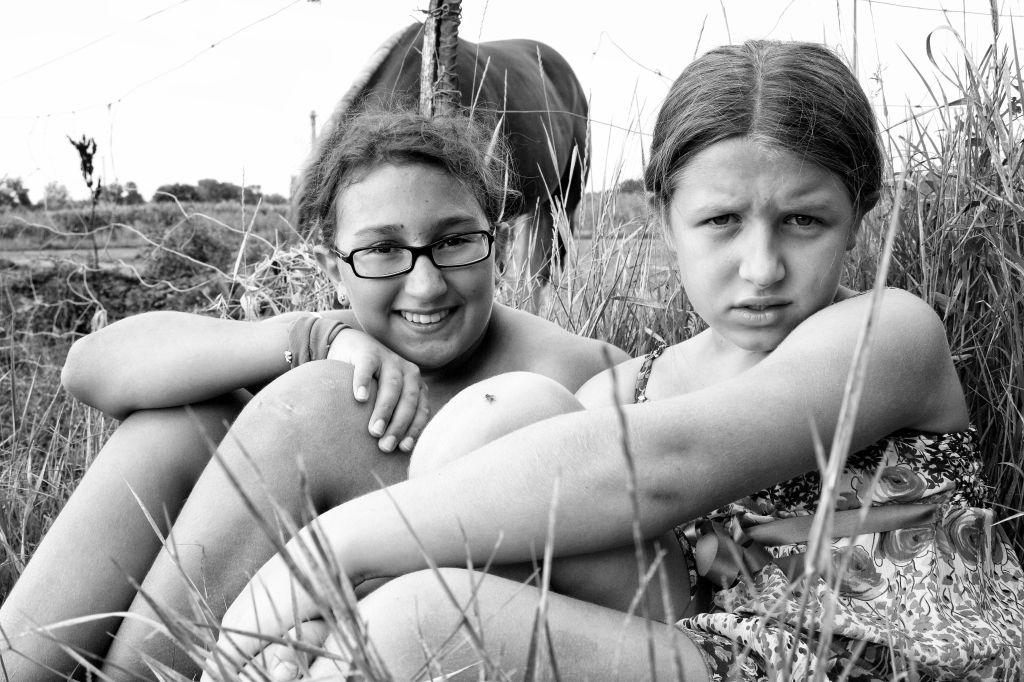
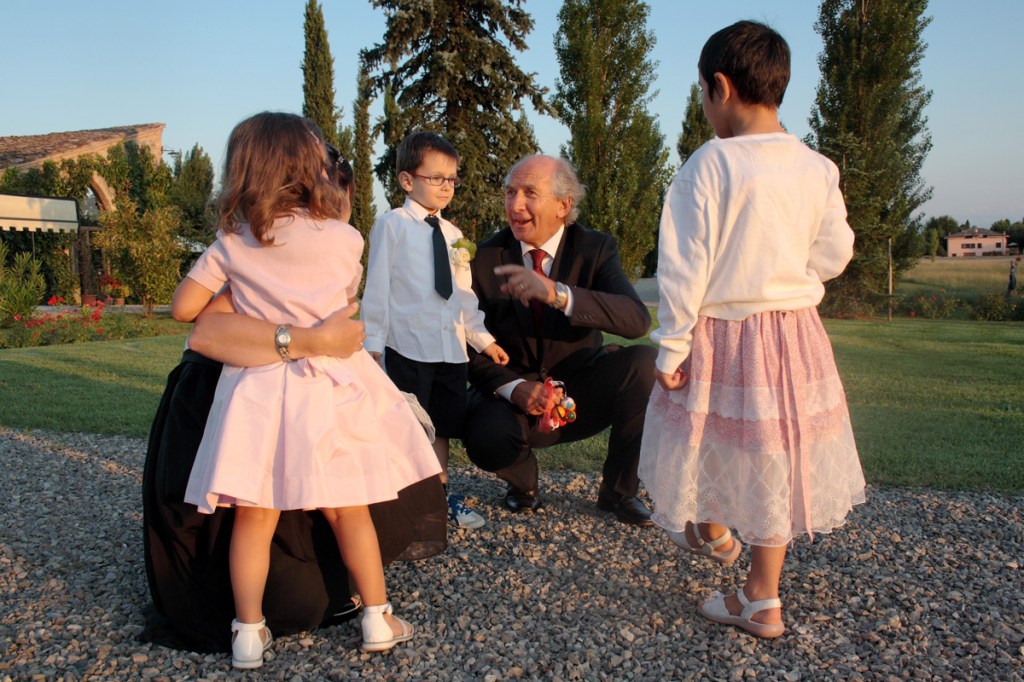
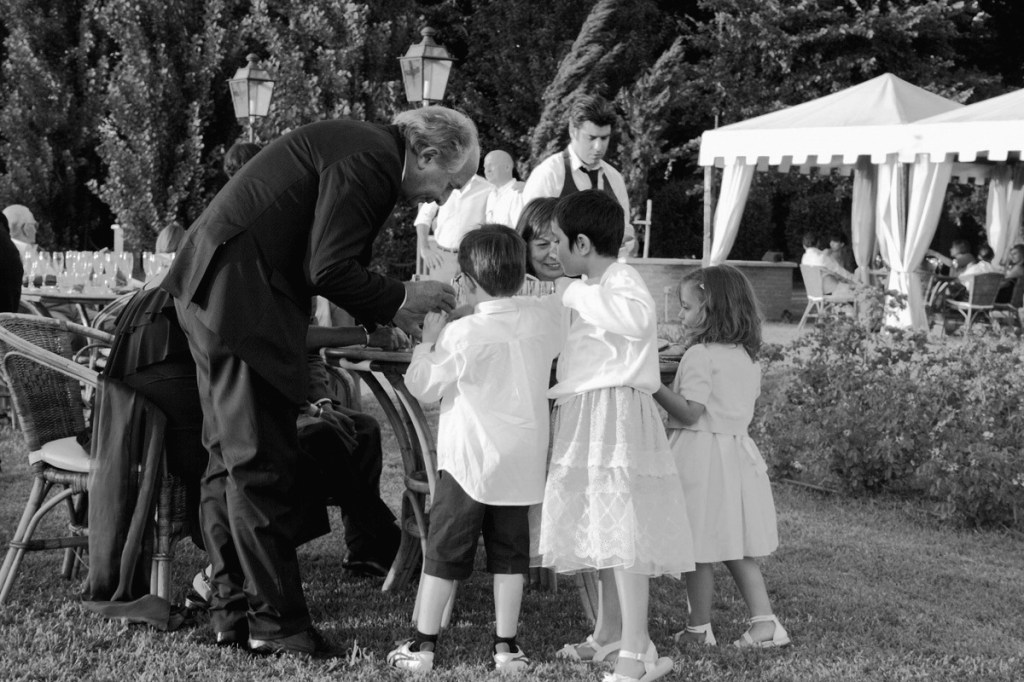
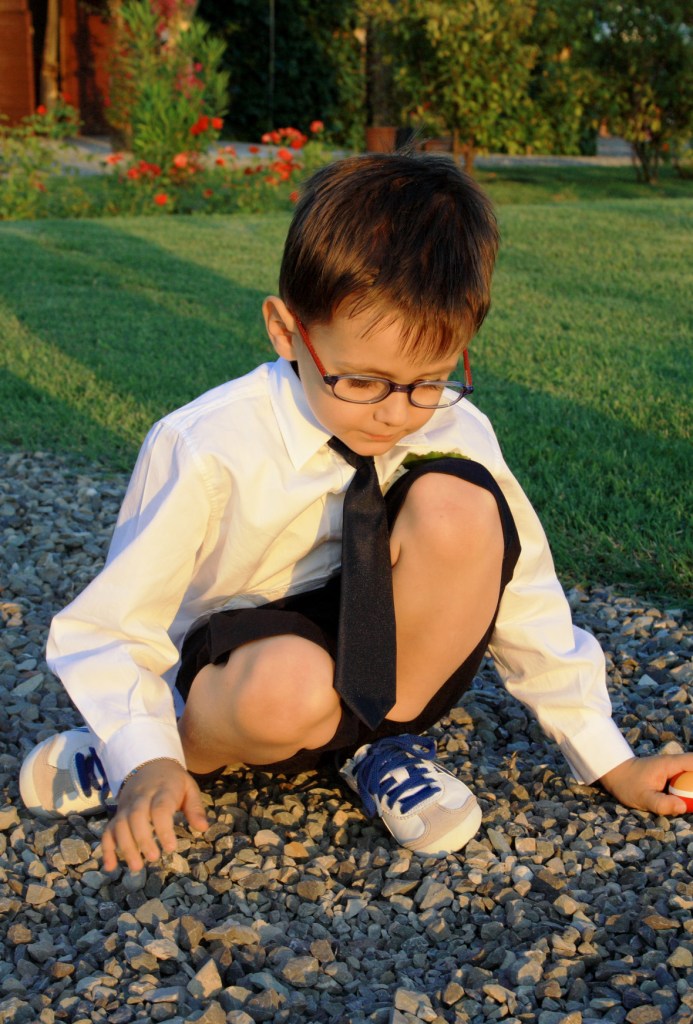
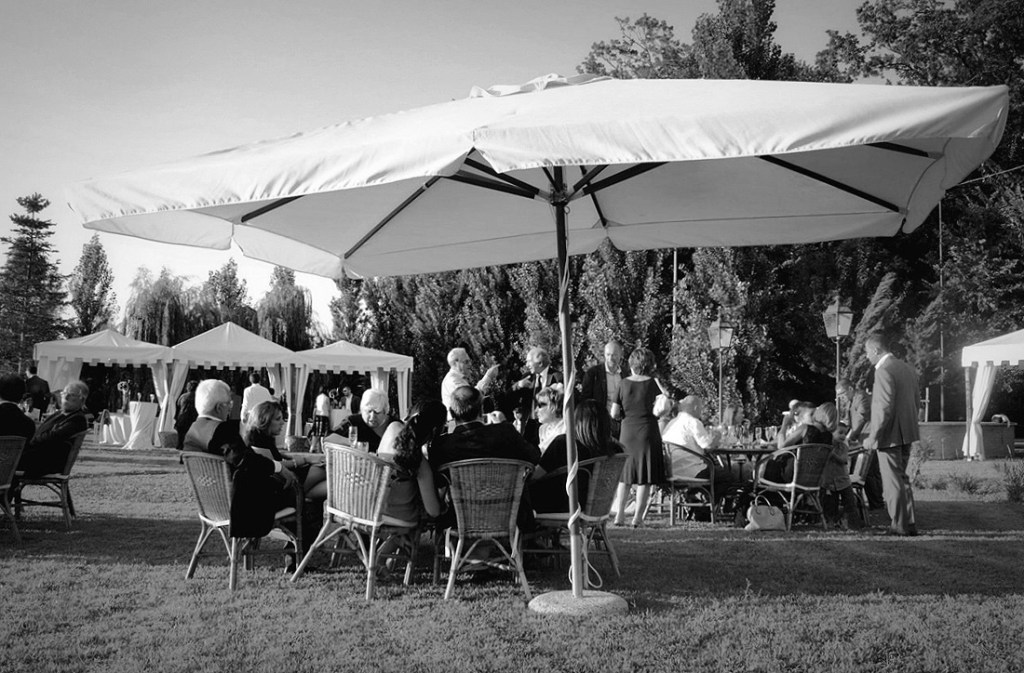
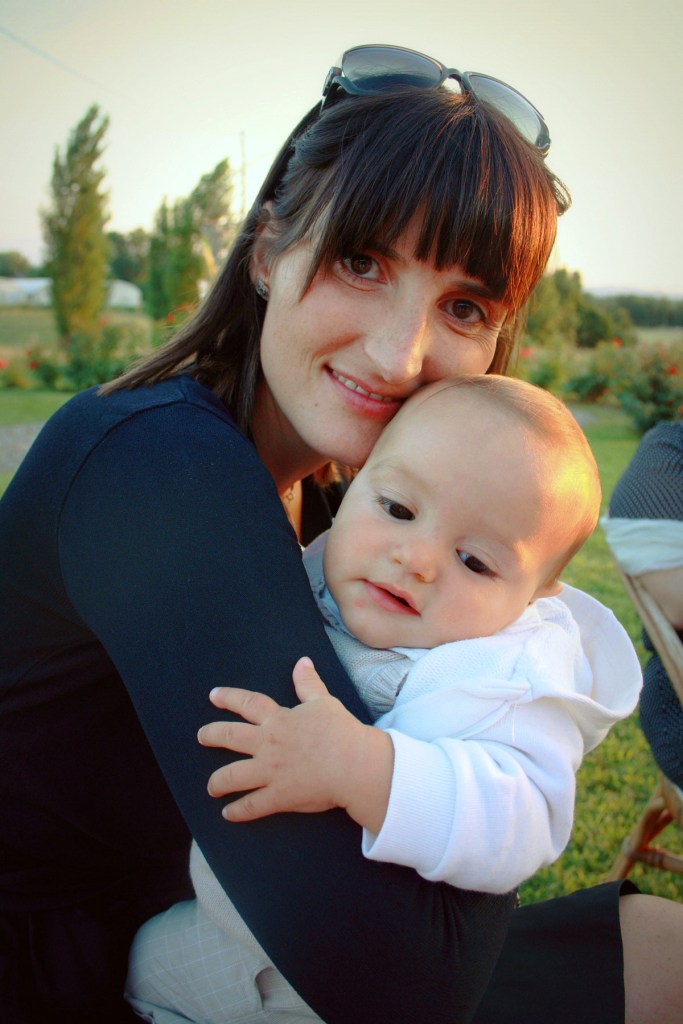
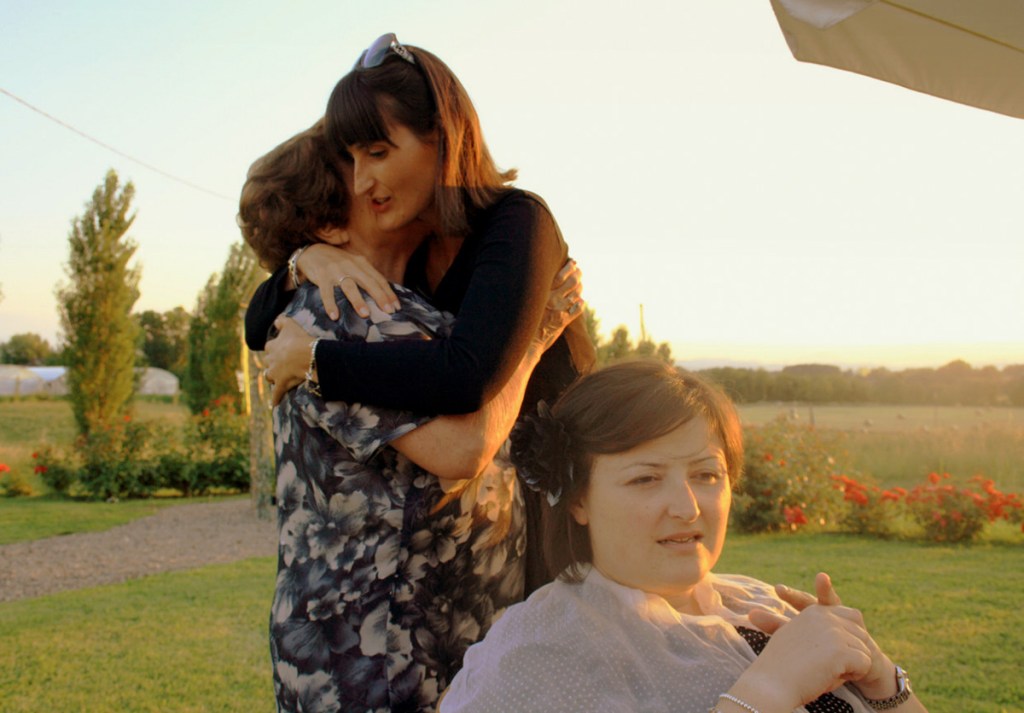
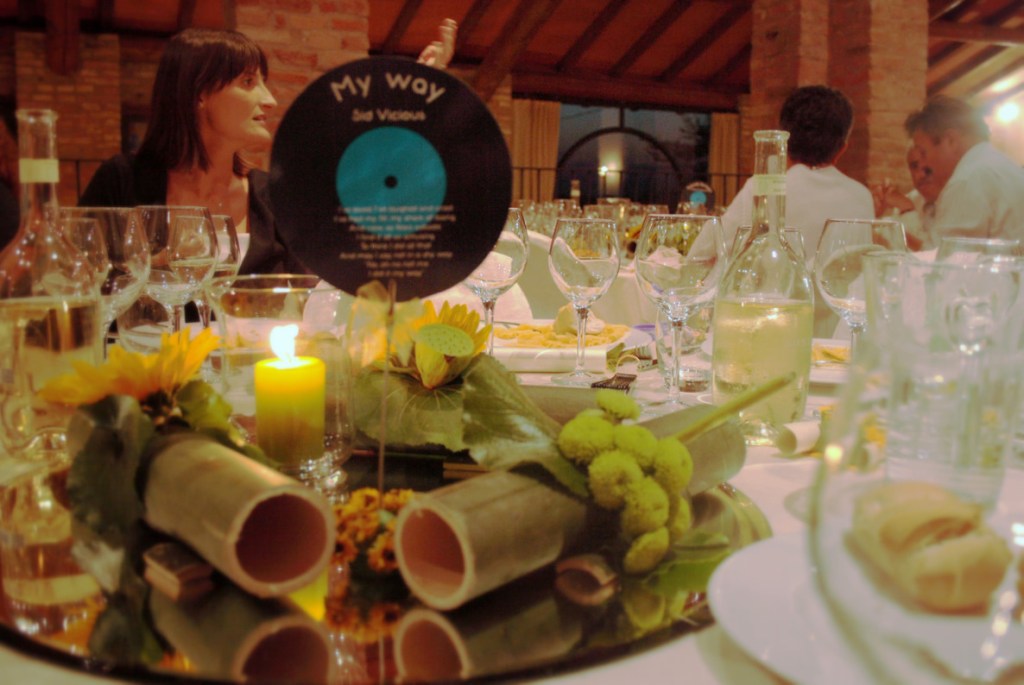
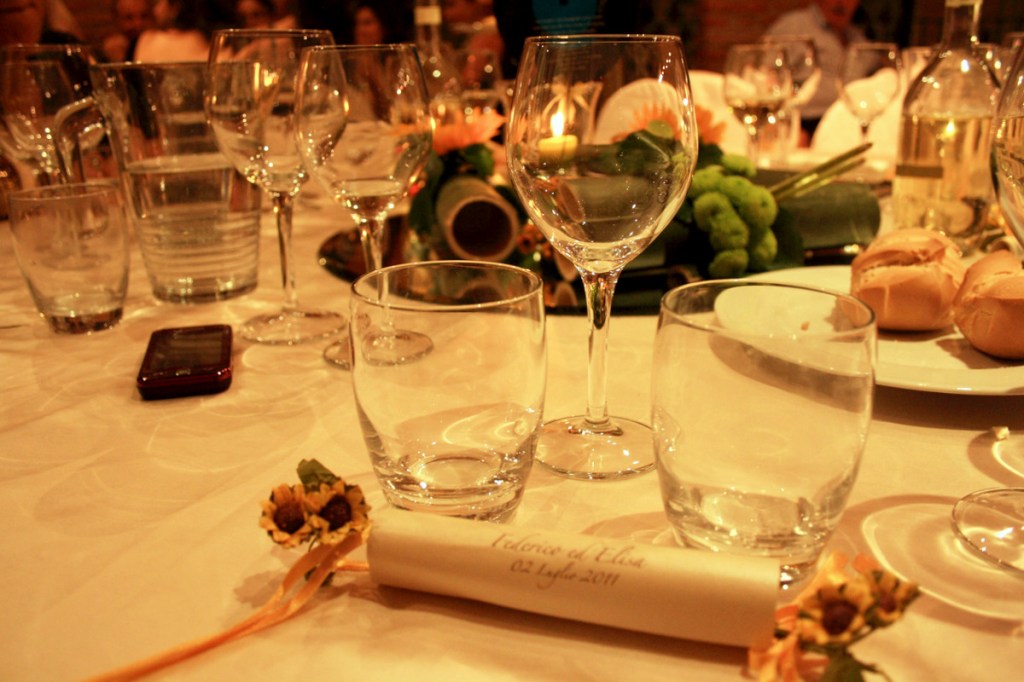
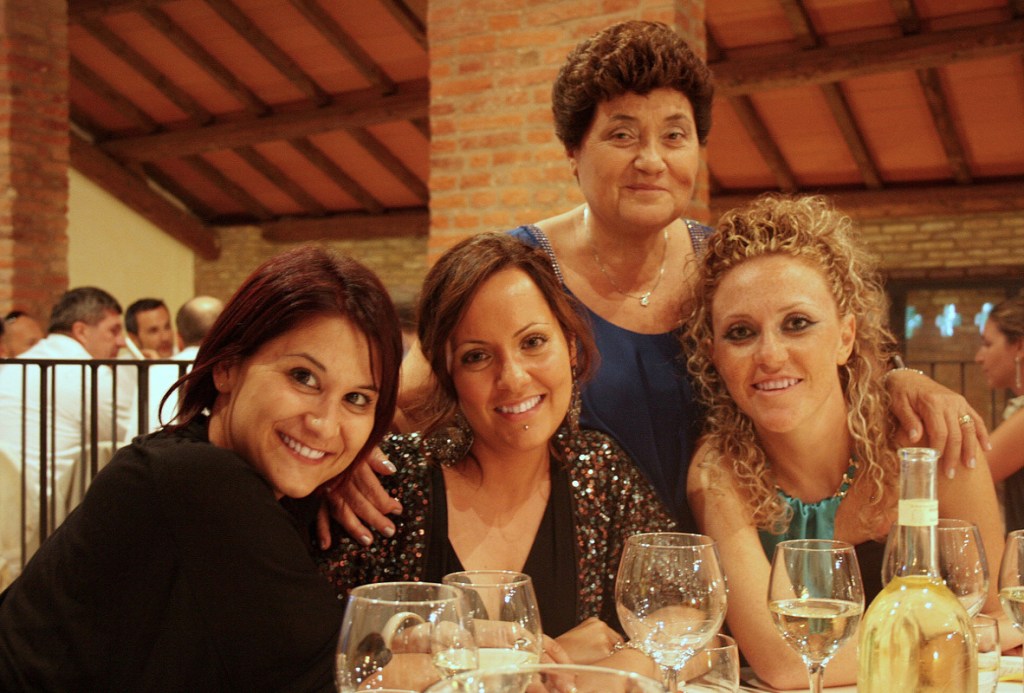
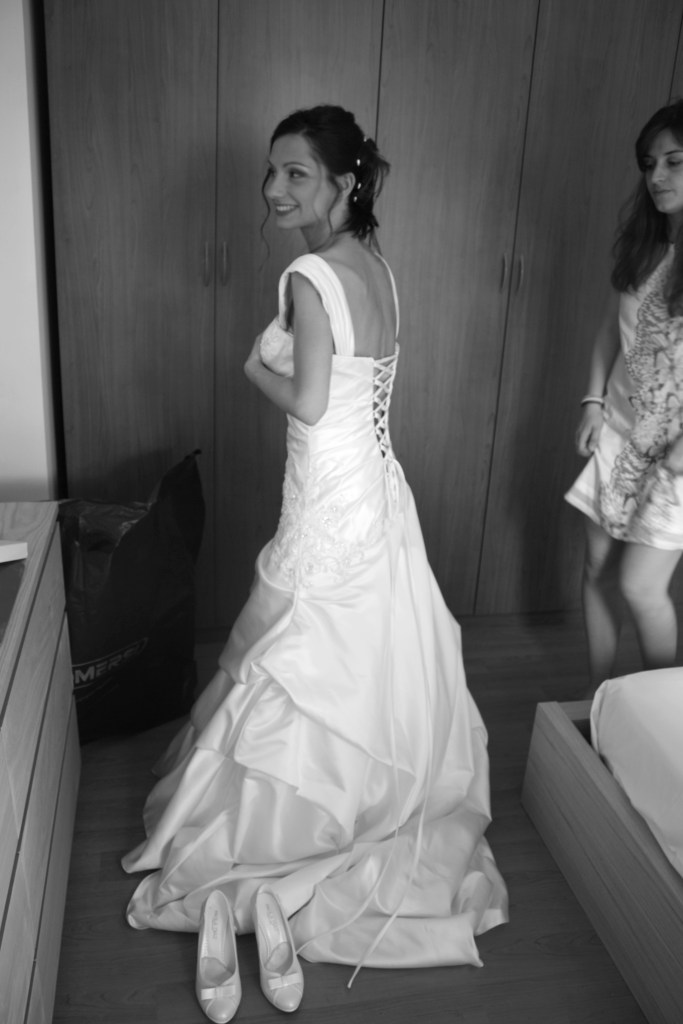
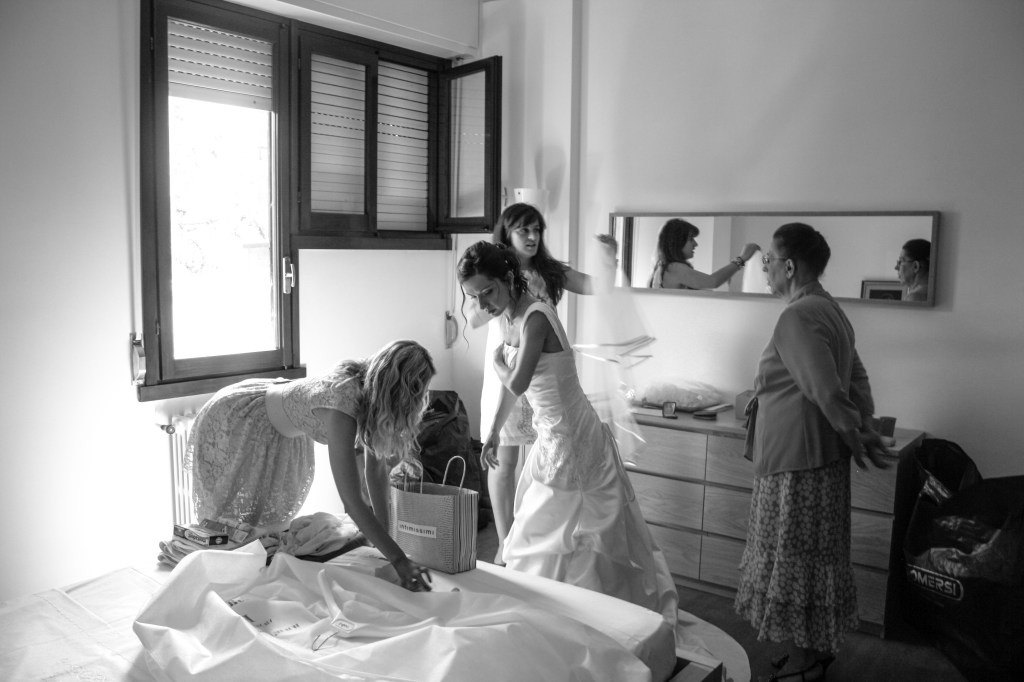
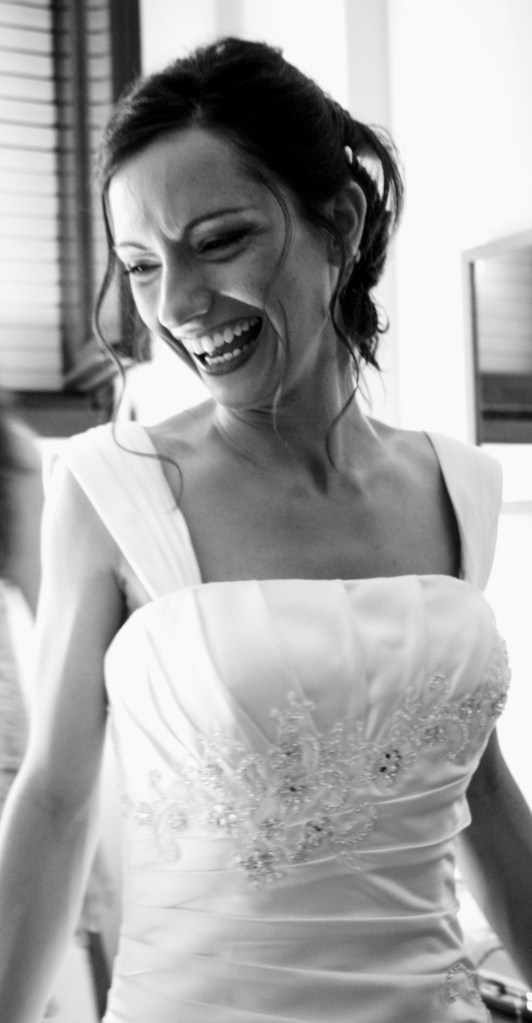
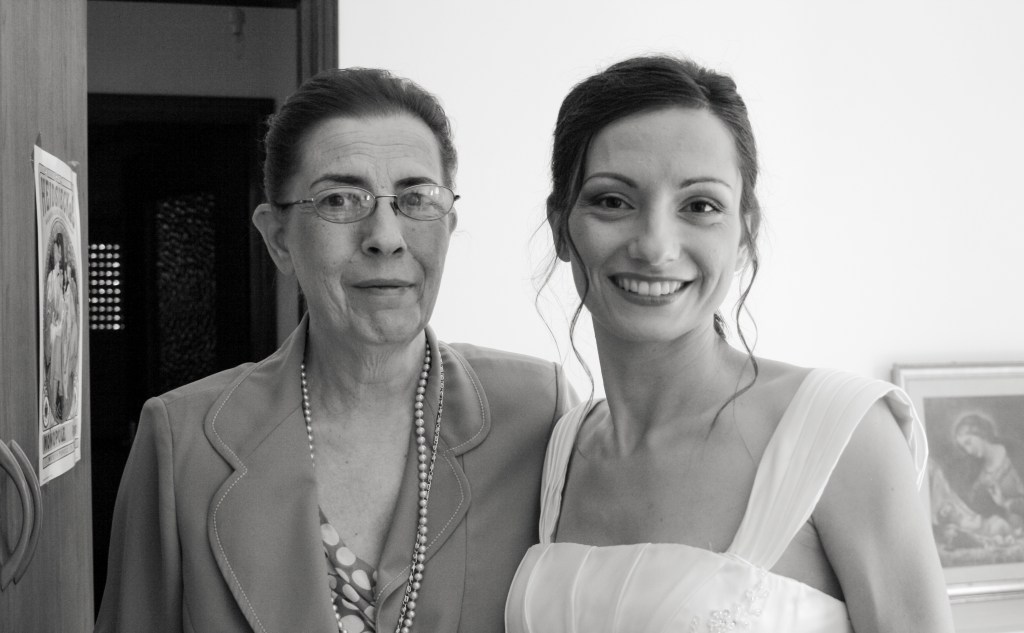
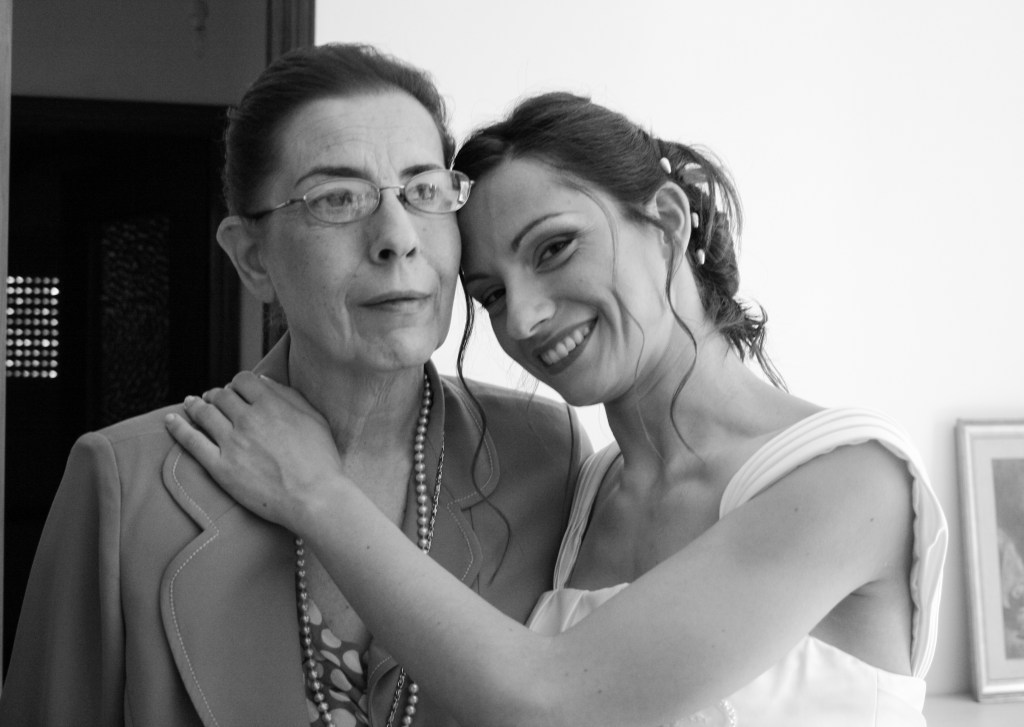
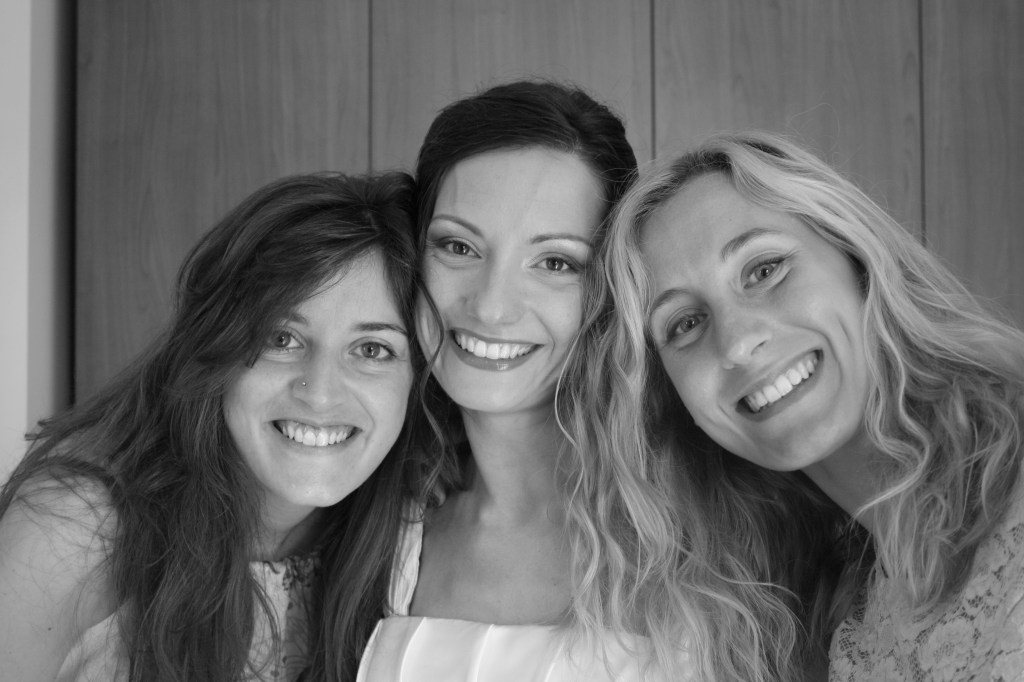
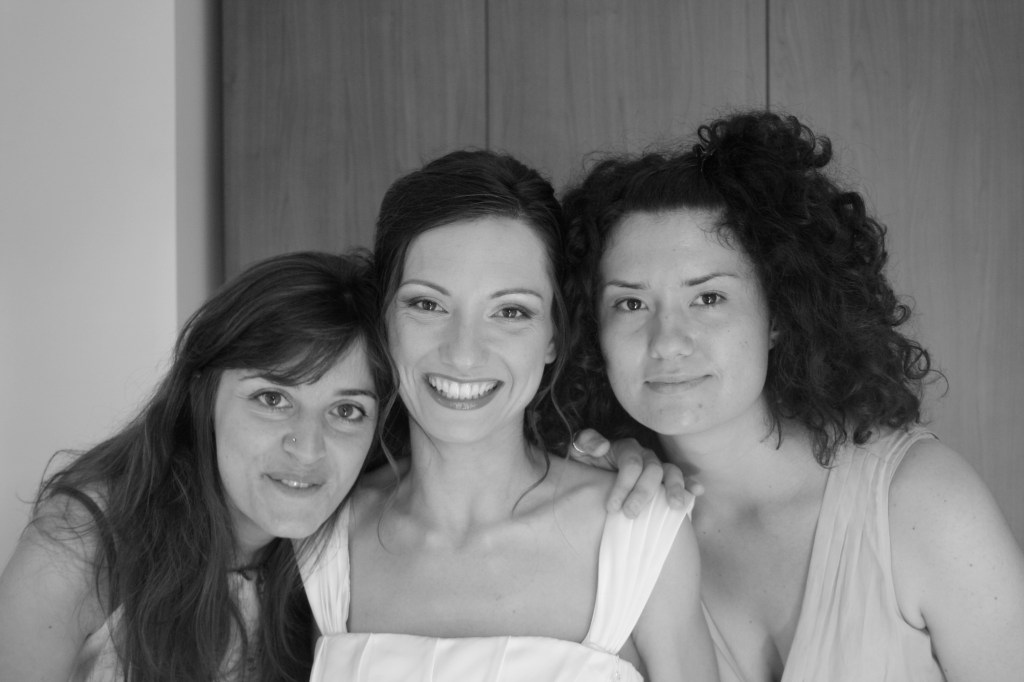
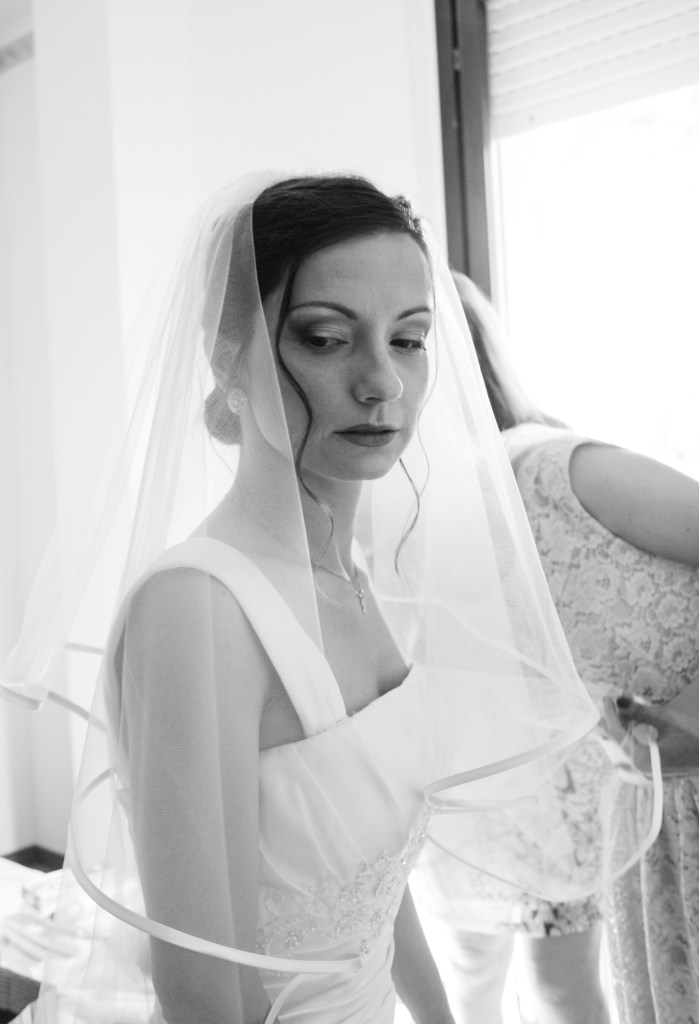
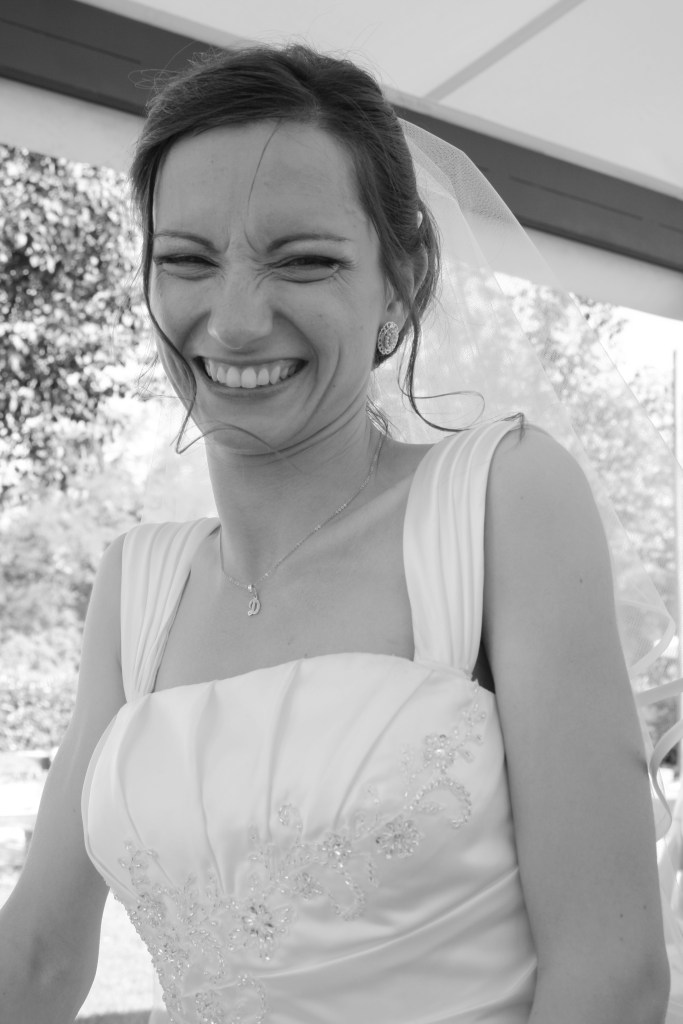
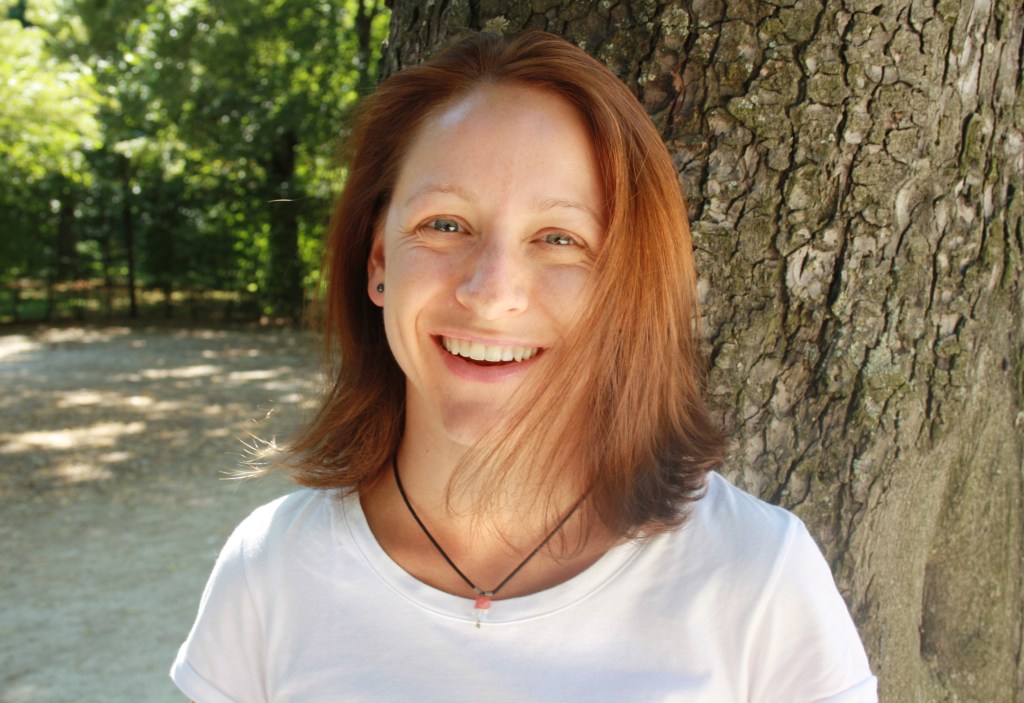
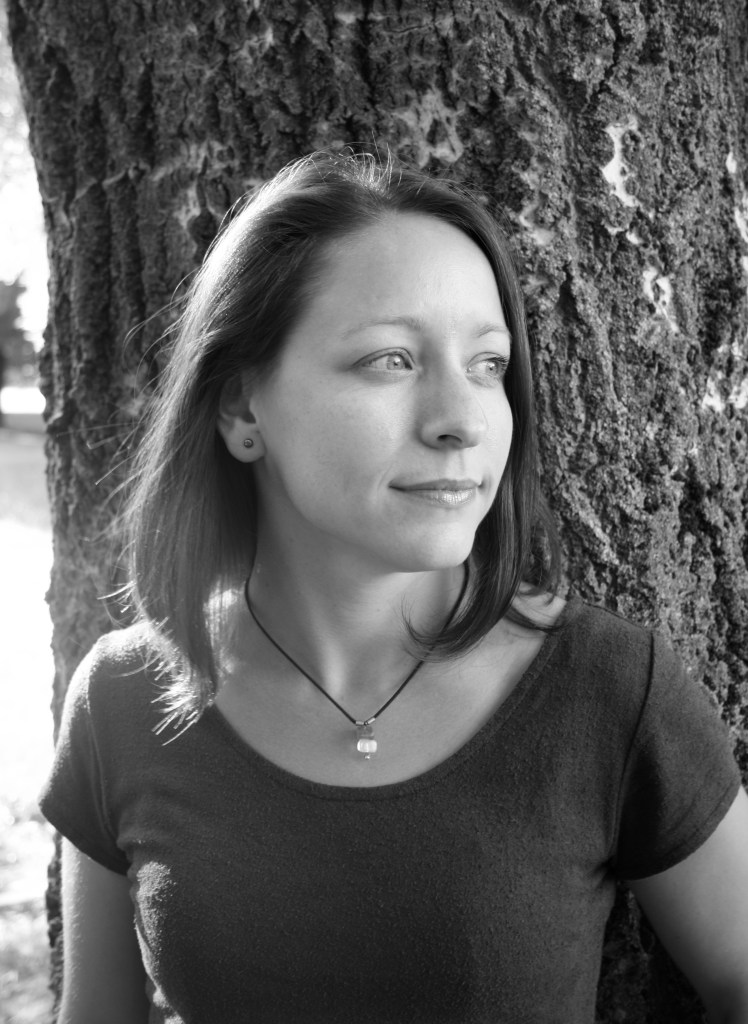
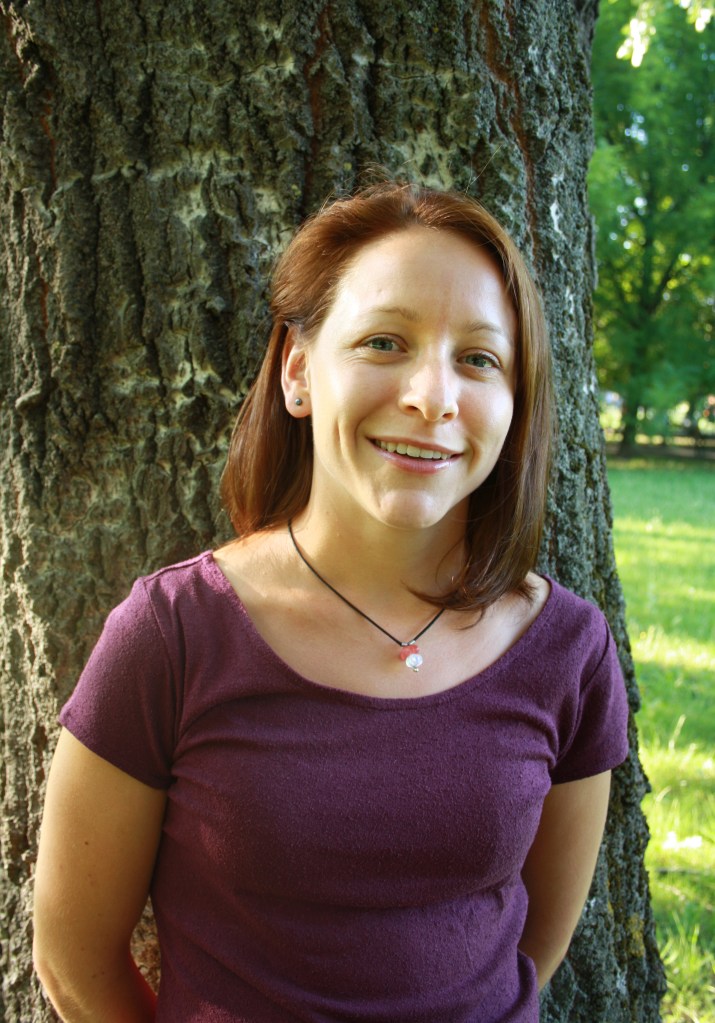
Interview of ph. Martina Biasetti [Parma, 2022]

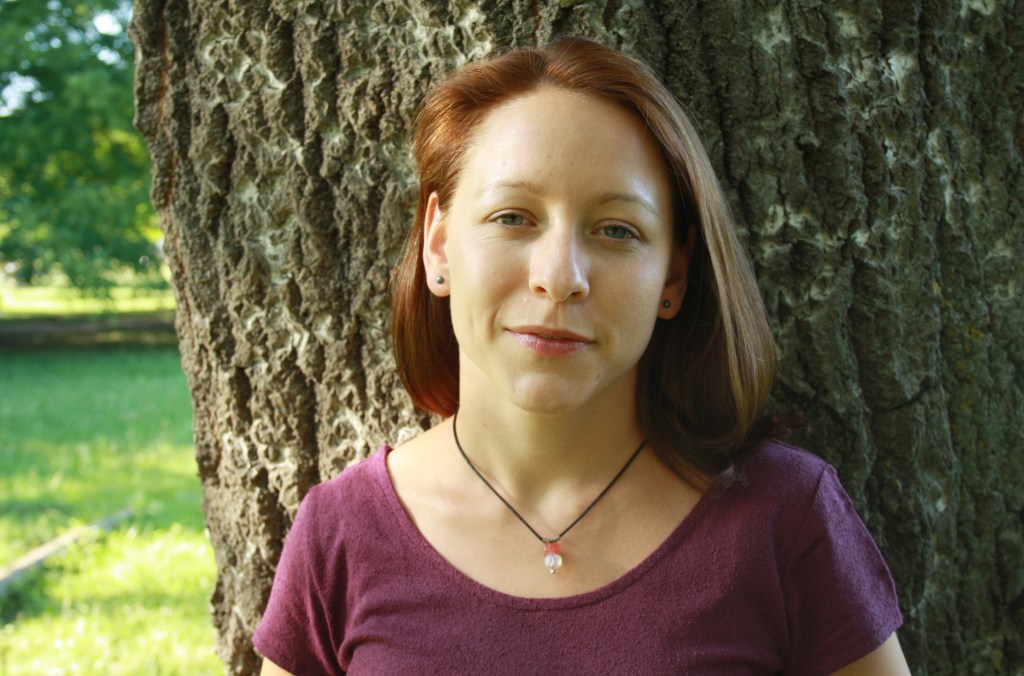
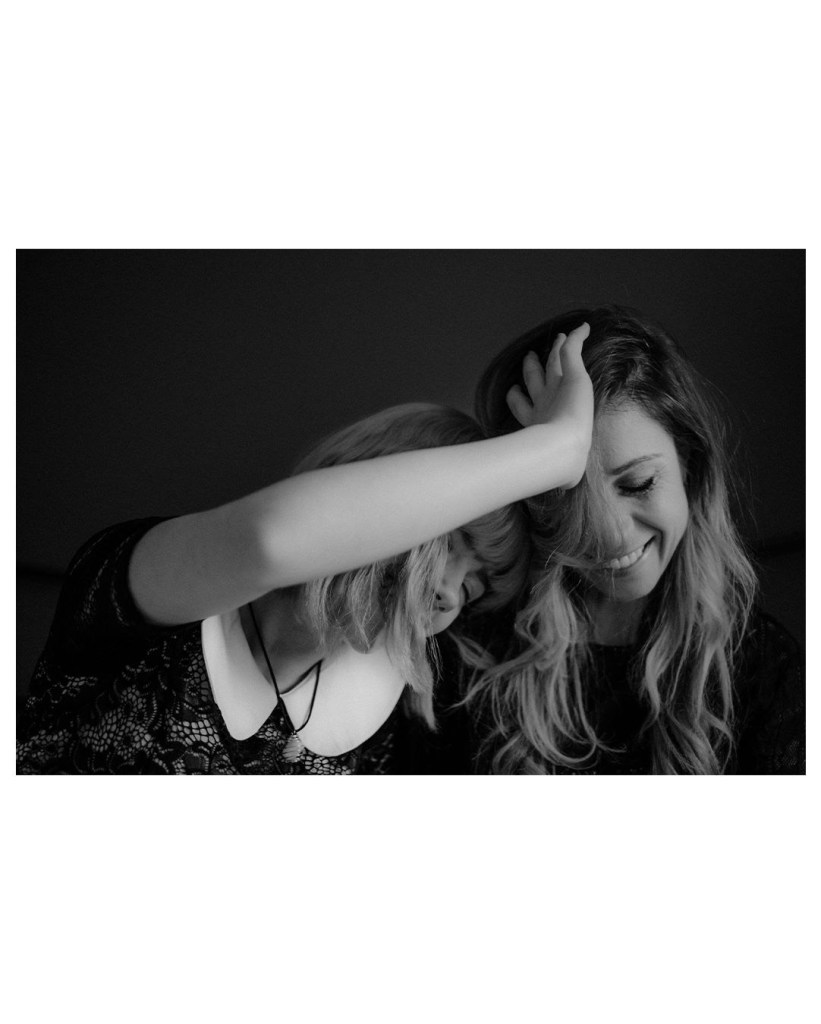
After Martina took some tremendous portraits of me, I was eager to get to know her and her work a bit better. She willingly agreed to be interviewed…Anglophones, scroll down for the EN translation!

1) Martina, dicci qualcosa di te e del tuo background / percorso artistico. 

Sono un artista fotografa. Sono nata a Parma, dove (legata al disegno e alla pittura fin da bambina) ho cominciato i miei studi al Liceo Artistico, per poi proseguire il mio percorso  all’Accademia di Belle arti Bologna. L’interesse verso la storia dell’arte e la costante ricerca artistica personale, mi hanno spinto ad esprimermi attraverso diversi media nel corso degli anni: dalla grafite alla fotografia, nata dall’urgenza di catturare immagini intime e la sfuggente poesia del quotidiano.

2) Fotografia o pittura? O entrambe?

Ogni emozione ha bisogno di un giusto strumento per essere descritta. Pittura e fotografia sono due mezzi di espressione e di comunicazione. Sono due tecniche tanto diverse ma che alla fine parlano la stessa lingua e che vanno di pari passo con la ricerca.
Come artista e come donna, ho necessità di pormi continue domande, di superarmi e di ricrearmi ogni volta. Penso sia dunque la mia necessità di espressione e il mio percorso personale ad avermi condotta a sperimentare questi diversi media.

3) Quando e come hai iniziato a scattare?

Negli anni accademici, la macchina fotografica (una Nikon compatta) era lo strumento attraverso il quale progettavo i miei dipinti. Nel corso degli anni, con la nascita dei miei figli la fotografia è diventata sempre più presente: era un modo per fermare il tempo. Con la prima Fuji xpro1 ho imparato in quegli anni ad osservare i momenti di quotidianità che nella loro dolcezza sapevo non sarebbero tornati. “Poesia nell’ordinaria realtà” che vado ricercando ora nei miei servizi fotografici.

4) Chi o che cosa ti piace fotografare di più?

Mi piacciono gli sguardi intimi, quei gesti delicati e quei momenti che durano una frazione di secondo ma che racchiudono secoli di sguardi e di gesti raccontanti nella storia dell’arte. 
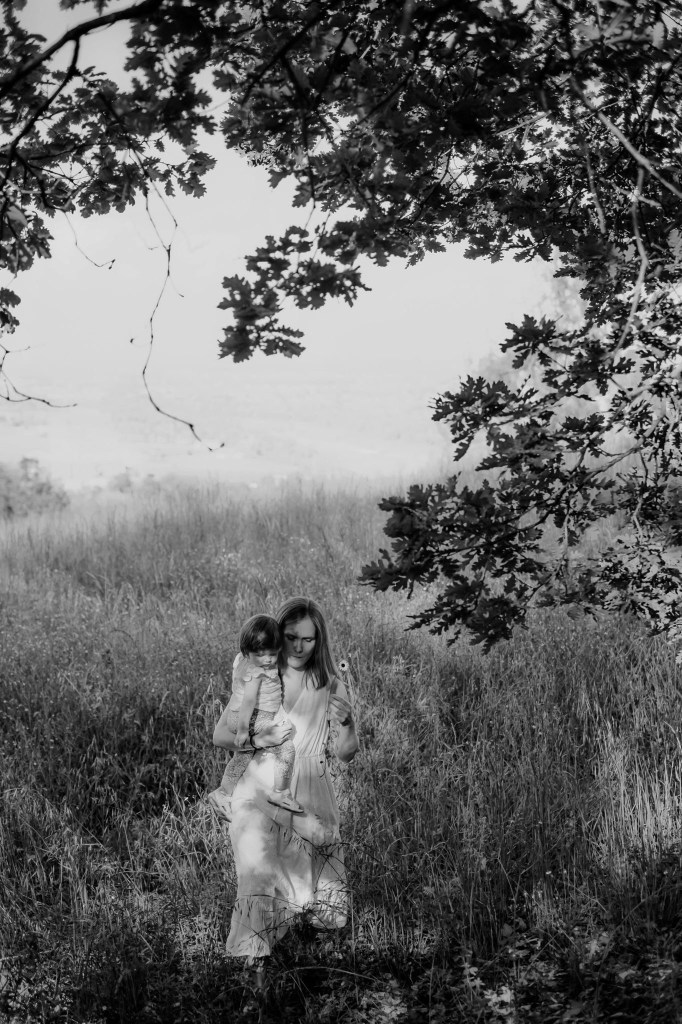
5) Che cosa ricerchi in una fotografia, che cosa ti colpisce in una fotografia? 

Mi colpiscono le fotografie che comunicano. Le immagini che parlano sottovoce o a squarciagola. Mi piace quando una immagine mi apre lo sguardo e mi conduce altrove, lontano. Questo è quanto ricerco nella mia fotografia: l’immagine è solo un punto di partenza da cui parte la fitta rete del processo creativo e immaginativo.
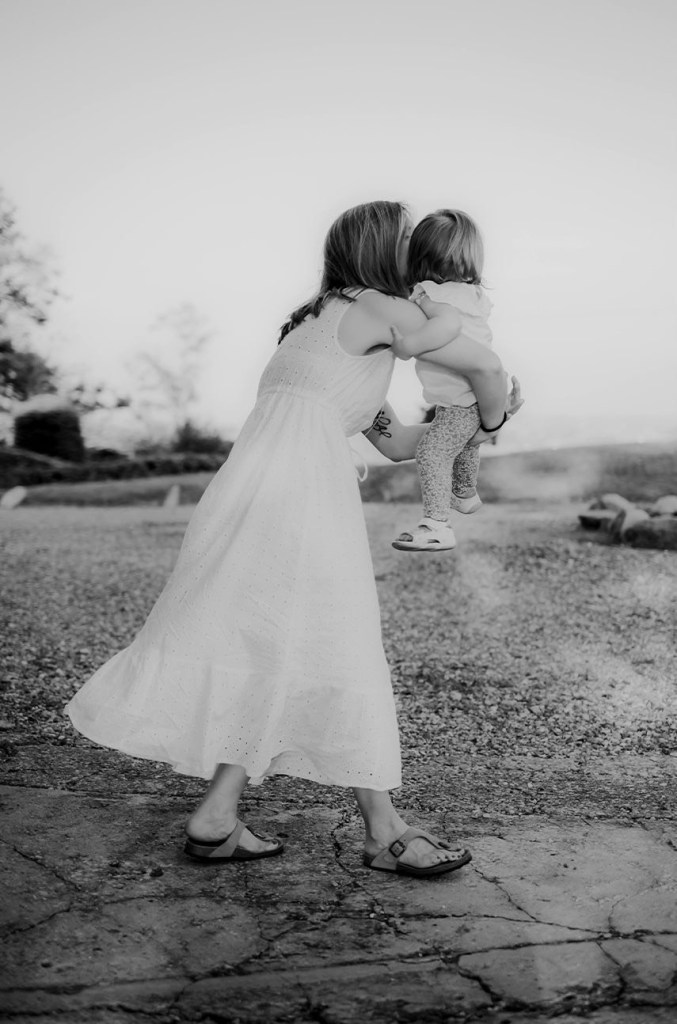
6) Che cosa ti motiva ad avanzare nel tuo percorso artistico?

Credo sia la voglia di migliorare, la fame di conoscenza, la necessità di imparare e il bisogno di superarsi; alla fine non è altro che la “ricerca” ciò che fa sentire vivo un artista e lo spinge ad andare avanti.

7) Che cosa è difficile nell’organizzare uno shoot?

Sono molto metodica nell’organizzare un servizio, mi piace partire con una scaletta e delle idee chiare, anche se quello che ho imparato negli anni è che durante uno shooting tutto può succedere. Penso quindi che la bravura di un fotografo (e la sfida più grande in questi casi) sia quella di riuscire ad adeguarsi ad ogni circostanza cogliendo il meglio e facendo propria ogni situazione.

8) Quali fotografi o artisti ti ispirano?

Ad essere sincera trovo difficile fare dei nomi, sarebbero troppi.. Credo, con gli anni di analisi e studi artistici, di avere immagazzinato nella memoria profonda una grande quantità di raffigurazioni, dettagli, colori e costruzioni di immagini a cui il mio subconscio va continuamente ad attingere e a rielaborare personalmente a seconda delle diverse suggestioni.
Il mio sguardo è debitrice alla storia dell’arte e alla storia della fotografia, dai maestri del passato ai grandi e piccoli artisti contemporanei.
9) Che cosa consiglieresti a una persona che sta iniziando a muovere i primi passi nel mondo della fotografia (come fotografo freelance)? 

È il consiglio che do a me stessa: non avere paura di mettersi in gioco, sbagliare e imparare dai propri errori.
Essere una spugna di nozioni e di informazioni, interessarsi e apprendere il più possibile dalla contemporaneità e, non meno importante, tirare fuori senza timore la propria unicità. 

EN version of the interview

  1. Martina, would you please introduce yourself and tell us about your artistic background & practice?

I am a visual artist. I was born in Parma, where I grew up. I obtained my A Levels at Liceo Artistico Paolo Toschi, then I graduated at Accademia of Belle Arti in Bologna. Since my childhood I developed a strong connection with drawing and painting. My interest in the history of art and my artistic research led me to express myself through different forms of media over the years, from graphite to photography. This last artistic form  allowed me to capture intimate images and to describe forcefully and urgently everyday’s elusive poetic moments.
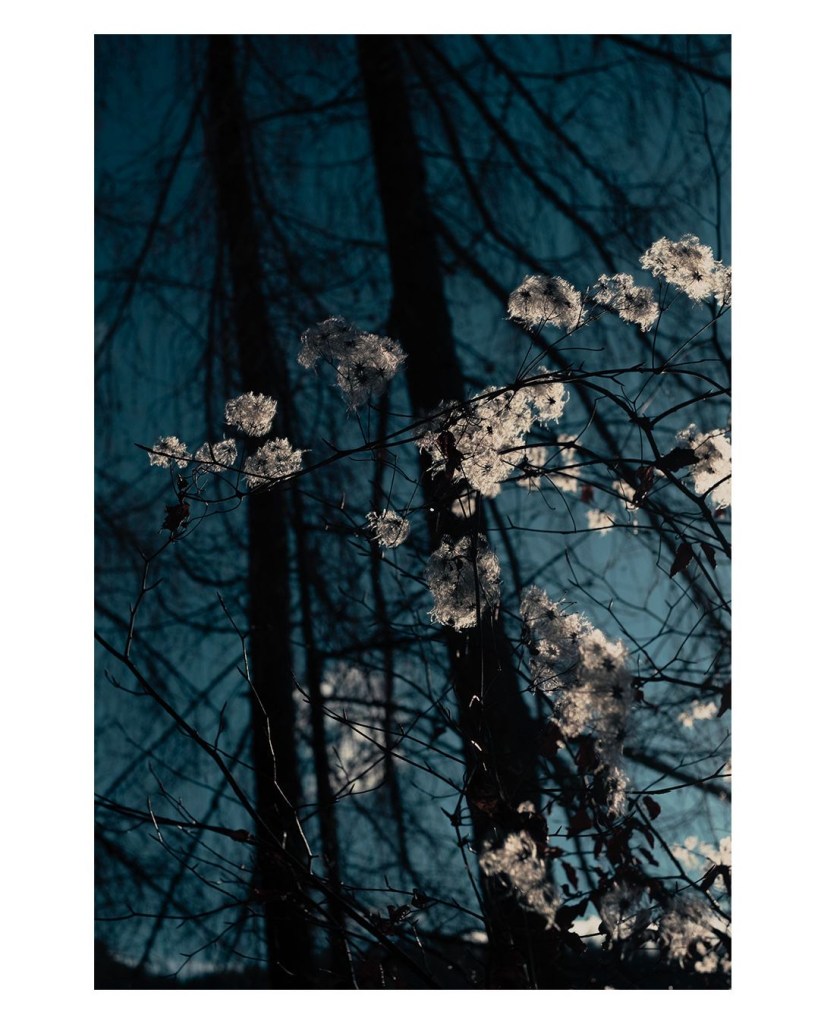
2) Do you prefer photography or painting or both equally? 

Every feeling needs to be described through the use of the most appropriate instrument.  Drawing & photography provide both useful ways of expression and communication. They are different disciplines that ultimately express the same language and can equally be considered a form of development. As an artist and a woman, I question myself all the time. I feel the need to continually improve myself and my work. On the one hand there is a need to express myself while on the other my personal journey has pushed me to experiment with different forms of media.

3) When and how did you approach photography?

During my years of studies a compact Nikon camera was the instrument that helped me to visualise and prepare in my mind for my paintings. Throughout the years, after the birth of my kids, photography became more and more a permanent presence in my life: I enjoyed it as a tool that would eventually allow me “to stop” the inexorable passage of time. With my Fuji XPro1 I learnt to observe and capture daily moments in their sweetness as I know that they will never return. Photography to me means to see “poetry in ordinary reality”. This is what I am looking for during my shoots.

4) Who or what do you like to photograph most?

I love to capture intimate feelings, delicate actions, moments that can last a fraction of a second. These fragments of life keep in themselves centuries of glances and unique gestures as they can also be admired in the History of Art.
5) What makes you fall in love with a picture? What grabs you the most? 

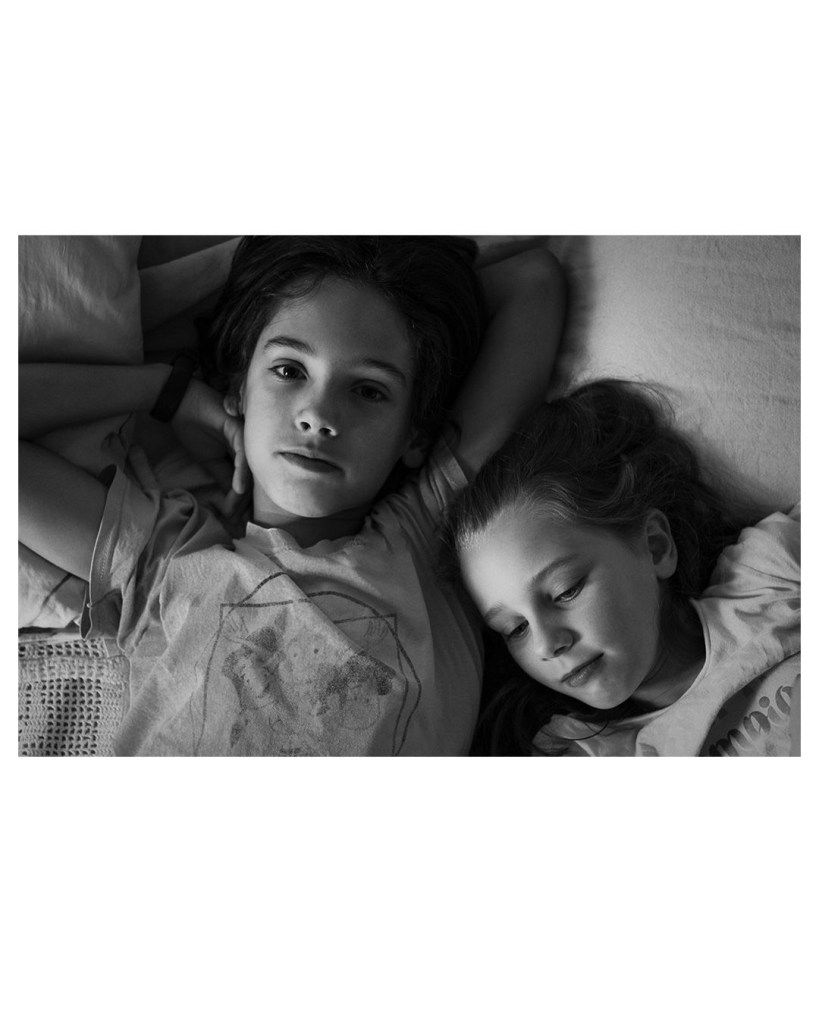
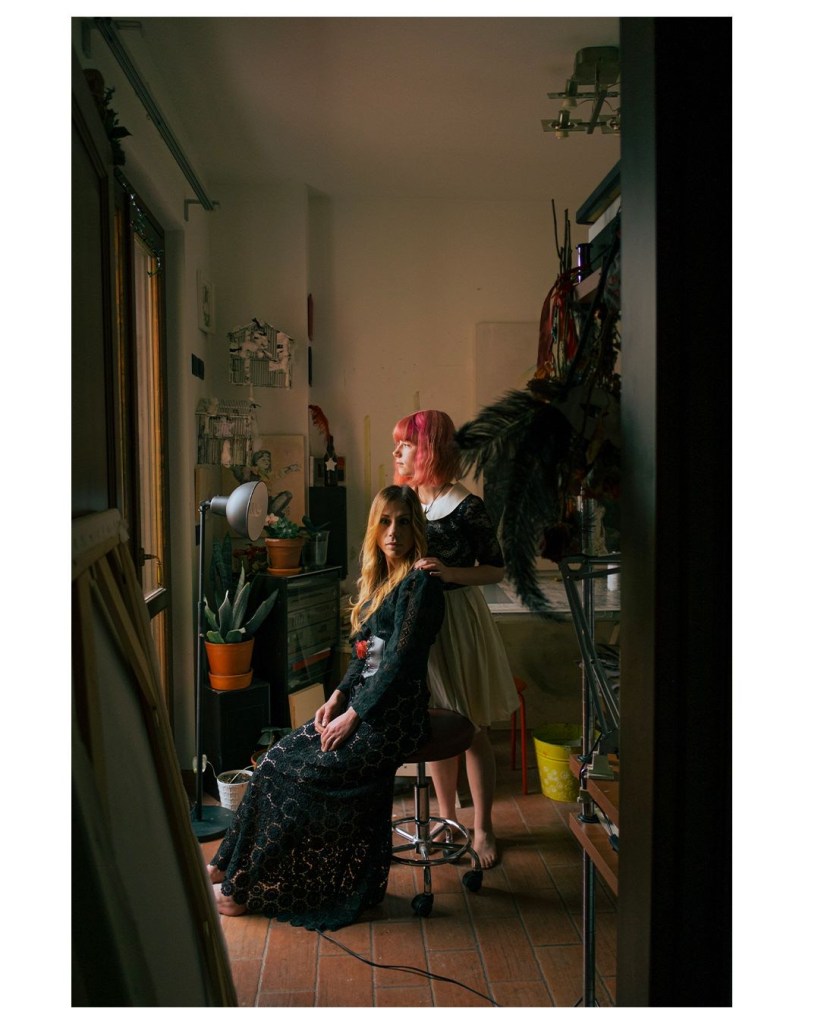
Photography is communication, therefore I love pictures that are expressive. I cherish images that speak softly or loudly. I like it when an image opens my mind and leads me elsewhere, far away. This is what I am striving for in my artistic journey: the image is the starting point where the dense network of the creative and imaginative process begins.

6) What drives you to push your limits?

I would say it is, above all, the desire to improve myself and the “hunger” to reach a broader knowledge, the need to learn more and to better develop my skills. At the end of the day, I believe it is the crave for a search that makes an artist feel alive and drives him forward.

7) What do you find challenging in the organisation of a shoot?

I am very methodical in organising a shoot. I tend to approach it, knowing already what the project is about and having a clear idea in my mind, even  although what I have learnt over the years is that anything can happen during a shoot! The golden skill for a photographer (and the biggest challenge in these cases) is to be able to adapt quickly to every circumstance by capturing the best moments and handling every situation in a personal way.
8) Which photographers or artists inspire you?

Honestly it is difficult to give names, there would be too many of them. Throughout many years of artistic analysis and studies, I have observed and stored in my memory a vast quantity of depictions, details, colors and the construction of images. My subconscious is constantly looking back at them and evaluating them, according to my own personal taste. I have a massive debt towards the History of Art and of Photography generally, towards the masters of the past and all contemporary artists.

9) What advises would you give to someone who is just getting introduced into the world of photography as a freelance photographer? 

The same piece of advice that I give to myself: don’t be afraid to get in the game and to take a challenge, make mistakes and learn from them. Be a sponge of notions and information, take an interest in and learn as much as possible from the contemporary world and, no less important, fearlessly bring out your own uniqueness.

Intervista a Maria Buttafoco [2021]

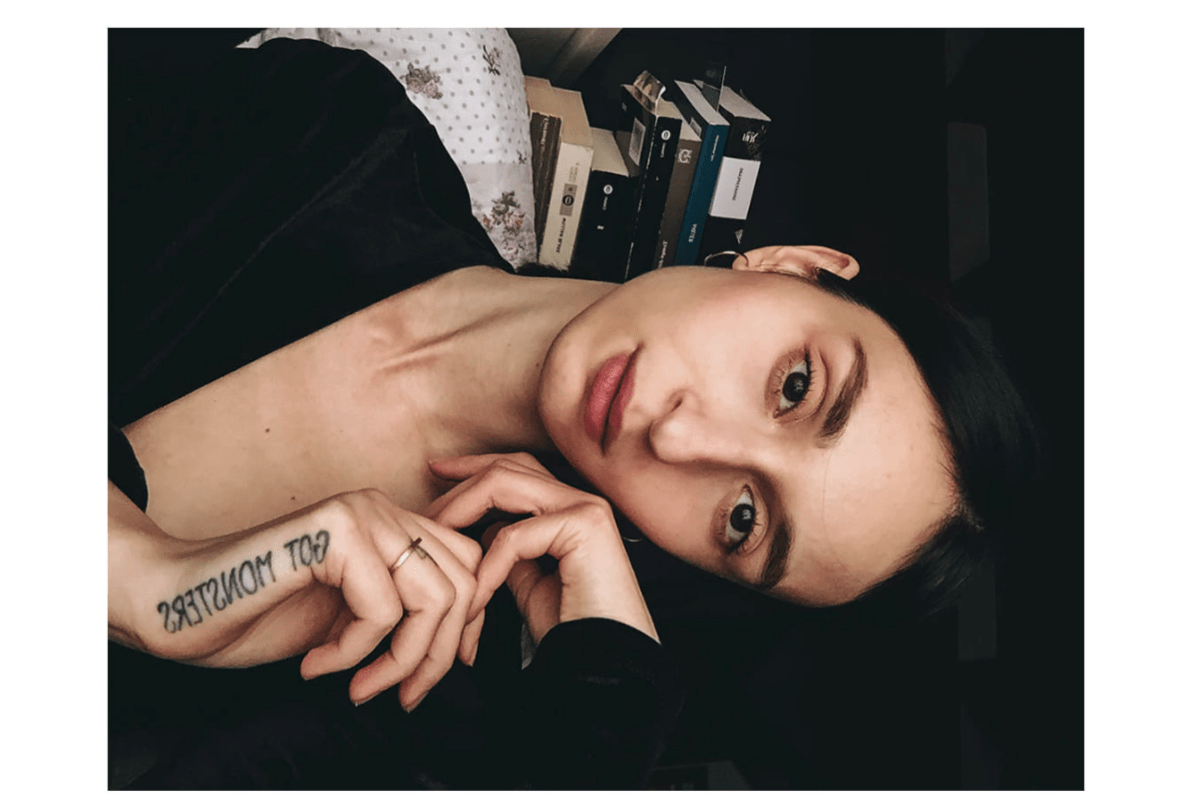
Maria Buttafoco, classe 1988, di Parma. Ci siamo incontrate tramite amiche comuni una decina d’anni fa. E’ una persona che stimo e per cui nutro un sincero affetto. Il conoscerla ha avuto un impatto sulla mia vita, in parte perché le nostre esperienze e i nostri caratteri, sotto certi punti di vista, presentano delle similitudini, in parte perché ci accomuna la passione per la fotografia intesa come strumento di scoperta e conoscenza, di noi stesse e del prossimo. E’ modesta, timida e talentuosa. Partendo dalla natura e dalla street photography si è concentrata negli ultimi anni sulla ritrattistica. I suoi scatti, delicati e raffinati, parlano di poesia e di ricerca, emanano vita e malinconia.

Mi sono permessa di porle un paio di domande sul suo approccio al mondo dell’arte e della fotografia e lei ha risposto, in modo semplice e chiaro. A noi il piacere di ascoltarla!

Come e quando ti sei avvicinata alla fotografia?

Idealmente mi sono avvicinata alla fotografia da bambina, praticamente, attraverso la macchina fotografica, poco più di dieci anni fa; regalai una compatta a mio fratello che però portavo sempre con me, fotografando di tutto fino a renderla una mia estensione

– Cosa ti trasmette la fotografia? Perché ti piace fotografare?

Il mio lessico non è abbastanza vasto e profondo per potere rispondere a questa domanda. Un sentore di pienezza e di nostalgia.

– Quali soggetti preferisci?

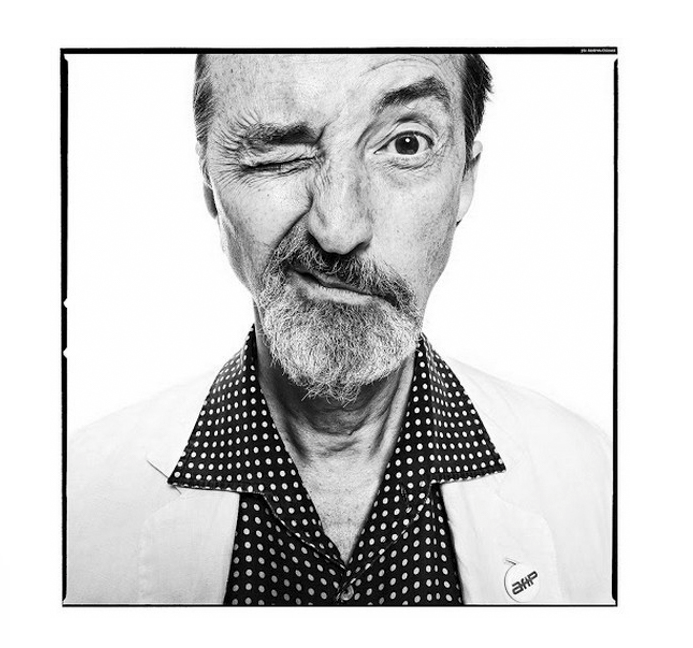
Preferisco soggetti come le giovani donne, con un’estetica particolare e straordinaria, al contempo mi piacciono le persone anziane, moltissimo; mi interessa l’idea di poter raccontare una storia attraverso la fotografia e loro ne hanno molte da raccontare, subisco il fascino della loro cultura intesa come tradizione e tempo.

– Come fai per approcciarti ai soggetti che fotografi?

Approcciare il soggetto per me non è semplice, sia per carattere che per logistica, è qualcosa a cui sto lavorando tanto.

– Colori oppure Bianco & Nero: quale preferisci? O dipende dai soggetti e dalle circostanze?

Colori e bianco e nero. Per me dipende dall’ideale che porto con me quando scatto e dal taglio che vorrei dare all’immagine.

– Quanto tempo passi in post-produzione? E’ una parte molto importante per te del lavoro?

Passo molto tempo in post-produzione, non per una questione di sviluppo tecnico, ma, soprattutto quando si tratta di una foto a colori, per riprodurre i miei sentimenti attraverso tonalità che la rendano più vicina al mio immaginario.

– Guardando il tuo portfolio, mi colpiscono la delicatezza e il gusto che hai nel cogliere la natura e le persone…Chi o cosa ti ispira? Ti prepari prima di uno shoot?

Ti ringrazio di cuore per le tue parole.Sono felice che tu abbia colto una delicatezza che desidero tanto rappresentare quanto provare; delicatezza, gentilezza, verità e quotidiano sono alla radice della mia ispirazione. Solitamente mi preparo prima di scattare, ma l’emotività, i desideri e la sintonia che può nascere (o no) con il soggetto sono alla base del processo creativo.

– In base alla tua esperienza e al tuo percorso, avresti un qualche consiglio da dare a chi sta iniziando a fare foto?

Il mio percorso è ancora in divenire, per cui se posso consigliare qualcosa, è qualcosa che deriva dai miei errori: non auto-sabotatevi, abbiate fiducia in voi stessi e nei vostri desideri, accogliete le critiche dosandole con giudizio. Non arretrate, guardate avanti.

Elena>Campbell, a video interview [Scotland, 2021]

Freak-out moment, this is an interview-share!! I needed a tandem, somebody to back me up in this project and Campbell accepted to be part of the game. I wanted to make a small video where I was saying something about my photography but I was not brave enough to do it by myself. So I asked him if he would like to be involved in a few questions between amateur photographers, a sort of “Ask anything of” about our approach to photography.

I was curious and wanted to have a try: I did not know whether the video format would be suitable for me. So Campbell and I (we are both shy!), decided to display an insane self-confidence and put ourselves in this teaser, asking each other a couple of questions, after studying each other’s portfolio.

Now there is some excitement in the air : have we done something meaningful? Is my English good enough ?! What we know at this stage is that it was a formative experience for both of us. We have encouraged each other to prepare this mini-interview and also to think about our answers. It was a challenge to step up to the “battle field”, without any serious expertise, talking, being ourselves, eventually preparing to receive some feedback and still trying to enjoy the process.

A few words about Campbell Montgomery:

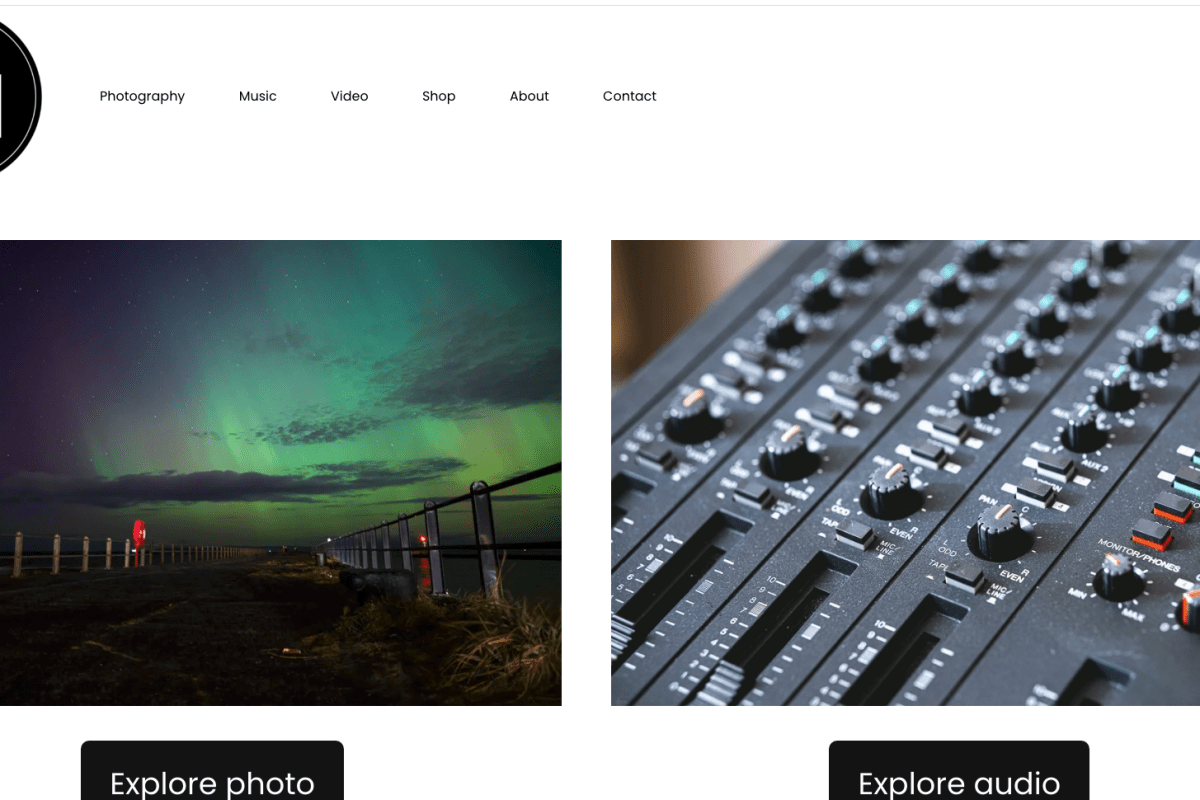
Apart from being my “partner in crime” in this project, Campbell is the brother of one of my best friends. I met him through her a couple of years ago. He is a young man and a passionate amateur photographer. If you visit his website : you will realise his raw artistic talent. He focuses on landscapes, nature and abandoned places. I find that his images are really classy and elegant and pick up the details in an exquisite way.
Anne Geddes [article written in 2021]

When I was at school there were so many diaries, pencil cases and notebooks with the beautiful, peaceful, dreamy images of children by Anne Geddes. For me she has always been a sort of magician, with a secret aurea surrounding her and her work. The type and quality of pictures she took are awesome, even although I prefer a more natural approach. I always wondered how she managed to work with very young children. I have had only 4 or 5 shoots with newborns and every time it was extremely challenging.

The cover of the issue of L’Uomo Vogue of February is of Anne Geddes. Feel free to browse through their website to check it:

https://www.vogue.it/moda/article/luomo-febbraio-cover-ann-geddes?fbclid=IwY2xjawMJPHFleHRuA2FlbQIxMABicmlkETA3Y3B5OXZUZEZRaTdqbVc2AR7aZ0v_pfGW9naVFnArmIqU1Y-Yuy85kf-tewJy8BR2n7UbQM8V2f5Q03l5Dg_aem_Hlg_9Nu93FbeGl0fO9a00g

Below, an interesting interview to the photographer:

Martine Franck (Madame Henri Cartier-Bresson), and why I prefer her work to her husbands! [article written in 2021]

I can’t remember how I discovered the portfolio of Martine Franck (1938-2012). It was 5 or 6 years ago and it immediately captured my attention. She is now one of my favourite photographers. I feel close to her sensibility & approach to photography and also, I identify myself through her interpretation and methods of photographing people.

She was born in Antwerp in a wealthy family (her father was a banker and an art collector) and grew up between the UK and the USA. She flew back to Europe after the war and studied Arts in Madrid and Paris. She was a passionate traveller and started taking pictures in the ’60s, with her Leica, when she was exploring the Far East. Her favorite subjects were travel shots, artists’ portraits and street photography. After settling in France in 1964, she worked as assistant for photographers such as Eliot Elisofon and Gjon Mili before becoming herself a freelancer. She collaborated with famous magazines (Vogue, Life, Sports Illustrated) as well a Théâtre du Soleil. In 1966 she met Henri Cartier-Bresson whom she married in 1970, they had a daughter, Mélanie, a few years later. In 1980 Martine joined the Magnum Agency. She carefully documented the “human condition” of her times and was an active reporter in capturing social issues.

In her images there is a search for a human touch and shows an empathetic attitude in observing other human beings. I guess that photography was her passion but it probably was also a service that she was performing for the community. In her reportages, she was passionate, committed and curious, in a honest, brave, spontaneous and intense way.

I admire her as a woman and as a photographer. She was socially involved, and put the heart in what she was doing. In her photos I see a hint of curiosity, spontaneity, coolness with a touch of geniality, but also affection. She must have had a warm hearted side and she capable to love people, to be “close” to people. Something that was not shared by her husband, even though he was technically exemplary!

Eudora Welty [article written in 2020]

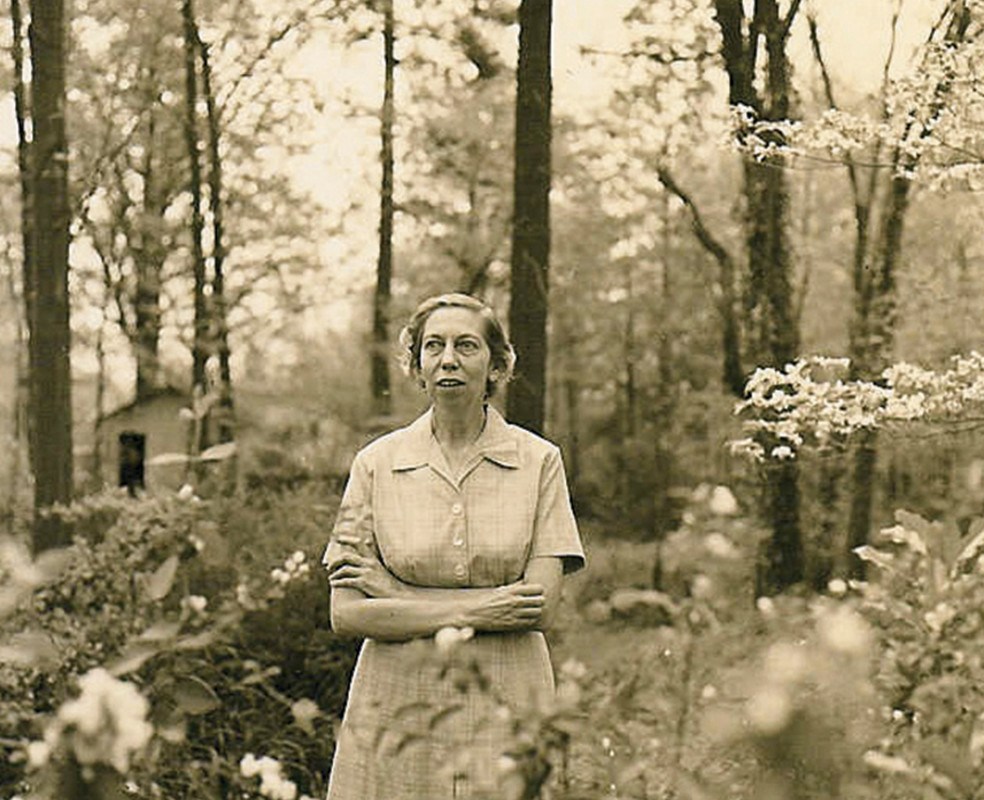
Eudora Welty was born in Jackson, Mississippi, in 1909 and there she died, almost a century later, in 2001. She was a writer and a photographer. Her father, an amateur photographer, passed on the camera’s passion to her, and Eudora started taking pictures in the late 1920s. A relatively prolific writer, she published short stories and novels for various magazines and she worked also as an advertising agent and a radio operator.

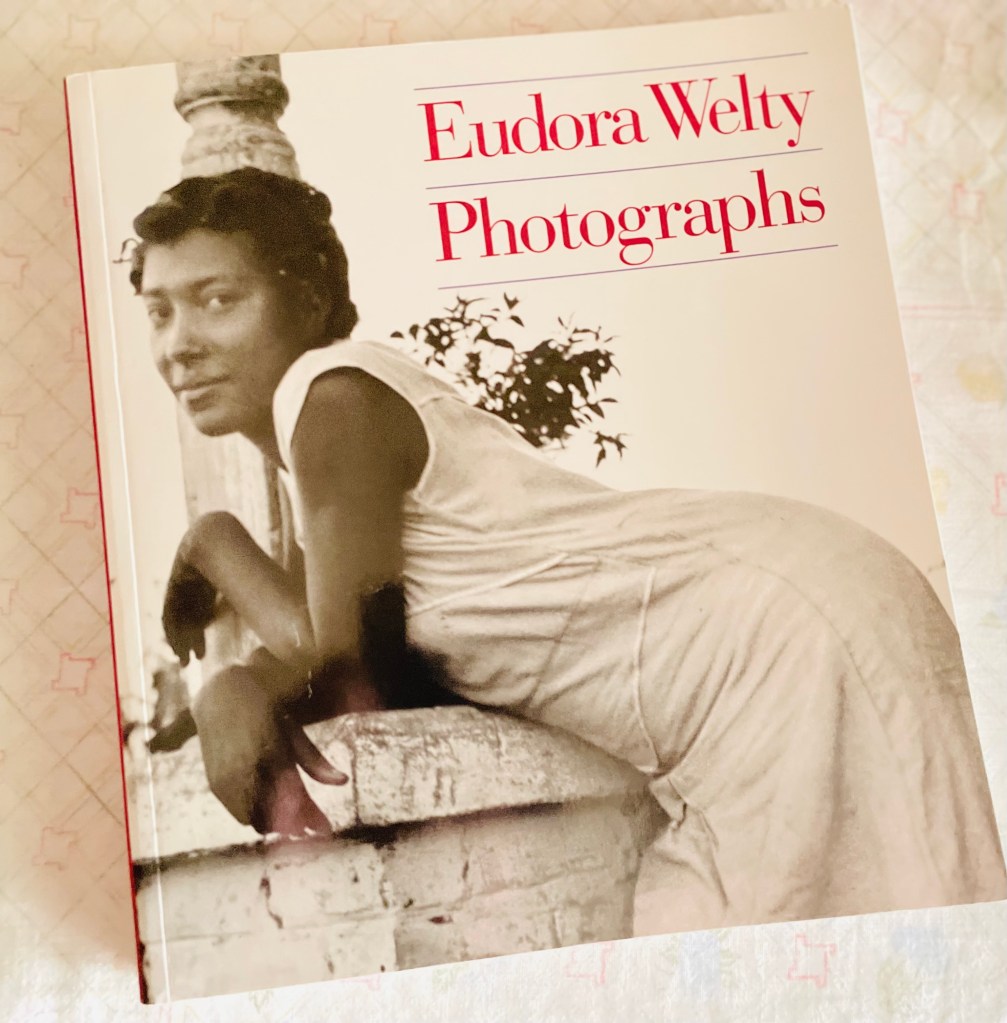
In my utter ignorance, I didn’t know her at all. I didn’t even know that she had won the Pulitzer Prize in 1973 for her novel “The Optimist’s Daughter”. I discovered her portfolio recently, whilst I was doing some research on Afro-American portraiture in deep South, and I bought a book with her photos (see photo below). At first glance her photos made quite an impression on me: I was struck by the spontaneity and the unconventional situations she managed to capture. However, on a second viewing, I noticed a certain lack of technicalities in lighting, composition and framing.

She had a streak of genius and the sacred fire of art was within her. I wonder whether she considered herself a real photographer. As Aries, she was tenacious and did not lack in courage. In fact she was a rebel and a pioneer, for the type of photos that she took and for the subjects that she chose: mainly people of color and the poor classes around the Great Depression (30s), through to the 60s. Taking the camera in her hands allowed her to document the struggles and aspirations of the under-classes that were invisible and ignored. I don’t believe she had a constant self-confidence, even though probably she didn’t let others know this. But at the same time, I don’t think that she really cared what other people thought about her and her work.

Well done, Eudora, your qualities are an example to us all!

Interview to William Martinez Bosch [2020]

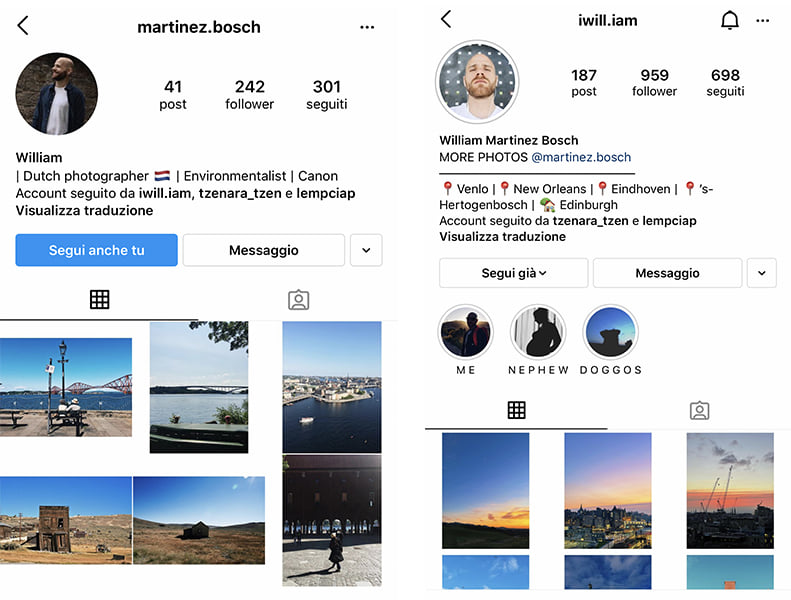
I believe that art reaches our sensibilities and can touch invisible strings in our soul. So many people have an artistic vein and many are not fully aware of it! I met William Martinez Bosch (see the beautiful model in the previous post!), through work, a couple of years ago. After following him on Instagram, I was delighted to discover and admire his travel and street photography shots. I find he is incredibly talented! I like the sense of geometry, shapes and curves that you can find in his images. I decided to ask him a few questions about his personal and photographic journey, as an amateur, and he kindly accepted!

William has two Instagram accounts, you can find the first one by clicking here whilst the second one is there!

– Tell me a bit about yourself and your story…

I grew up and lived most of my life in the Netherlands. Lost my father after I turned 18 which brought the family closer together and since I came out to my family during this time as well, I started becoming my own person more and more. After high school I started studying law but gave that up very quickly because I didn’t feel like I belonged there. I ended up doing a degree in North American Studies for which I spent some time in New Orleans. That was the first time I was away from my family for an extended period, and it allowed me to gain a greater understanding of the world. After my return, the feeling I’ve always had of not belonging in the Netherlands grew stronger and upon finishing my degree I started looking for another master’s degree abroad. After almost a year of deciding where to go and withdrawing my enrolments from Universities in the US and Australia, I was made aware of Edinburgh by a friend whom I met during my time in New Orleans. I decided to apply here and was accepted. I always feel that though my first degree didn’t provide me with excellent job opportunities, it did lead me to where I am now, and I am very happy it did.

– When and how did you take up photography?

I can’t really tell you the moment I took up photography as I always had an interest in it. As soon as smartphones started to have decent cameras, I played around with it. I didn’t have a proper camera till I turned 25 which I first used it on my travels through the United States. It was after this that I actively started to take photograph and develop my Instagram.

– From your portfolio, I can see mainly travel, street photography and architectural images: do you have any preference?

I don’t really have a preference as it often depends on the situation, I find myself in and the mood. Photography, for me, is very instinctive, you could say. It has to feel right for me. Especially when it comes to my Instagram account, the decision to upload a picture is based on how much I feel the photo matches the aesthetic of the rest of my portfolio. If I had to pick one, I would go for street photography because I really love candid and unposed photos. Relying on the moment and the photographer’s ability to capture it.

– Do you prefer using your mobile or camera?

For convenience’s sake I’ll have to say mobile. Capturing photos, editing, and posting can all be done on the same device which makes it very useful when you’re out and about and you want to share it straight away. Quality wise, though my iPhone does have a very good camera, I have to go with a proper camera.

– You have a strong sense for geometric shapes and form. Have you previously studied art or architecture?

I can’t say I properly studied art or architecture, but in high school I did study art and art history was part of that. Despite that, I was never really good at drawing or painting realism. I often reverted to the abstract which included geometric shapes. Architecture would have been my other choice of degree if I didn’t pursue my current one. Ever since I was a little kid, I used to draw houses and was interested in architecture so I guess you can see that come back in my photography.

– What does photography mean to you?

For me it is a form of artistic expression that enables me to portray objects/people/scenery in a different light. It also allows the viewer to stop and take in/appreciate the beauty of things.

– Do you think you manage to express a part of yourself through your shots?

Not sure about this one. I don’t really feel that I’ve found my true self in photography yet. I feel that I’m still figuring out what it is that makes my photographs inherently me or what makers my photographs stand out. I also believe that I need to delve into photography more. Read and study about it and take up some photography courses as soon as life returns back to normal.

The best shot [2011]

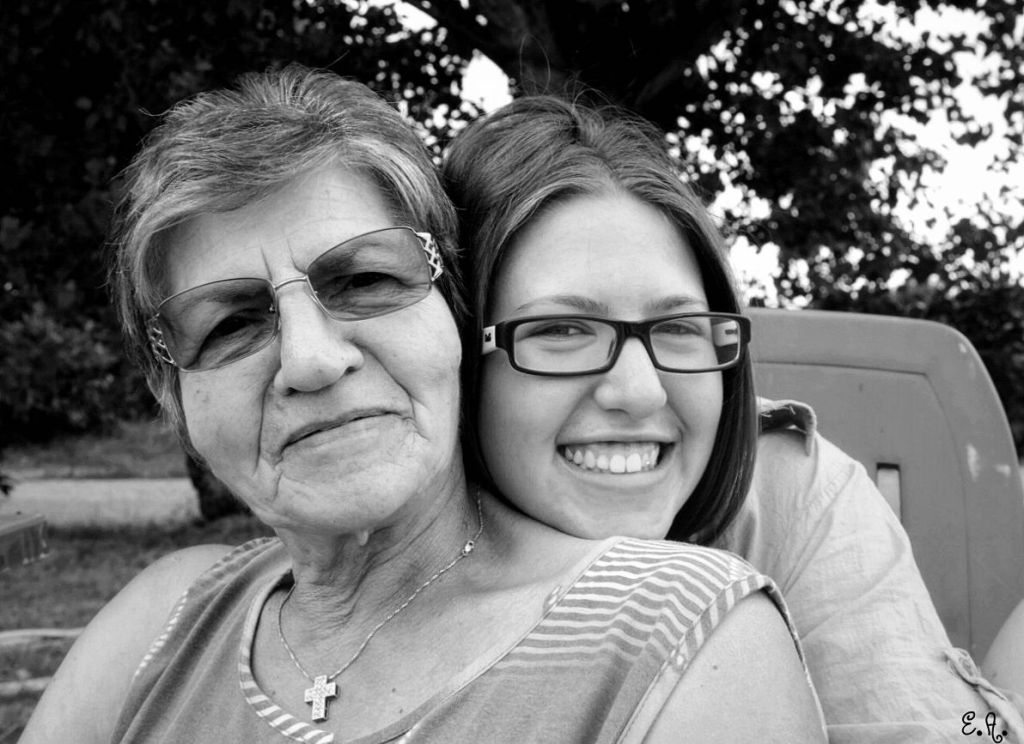
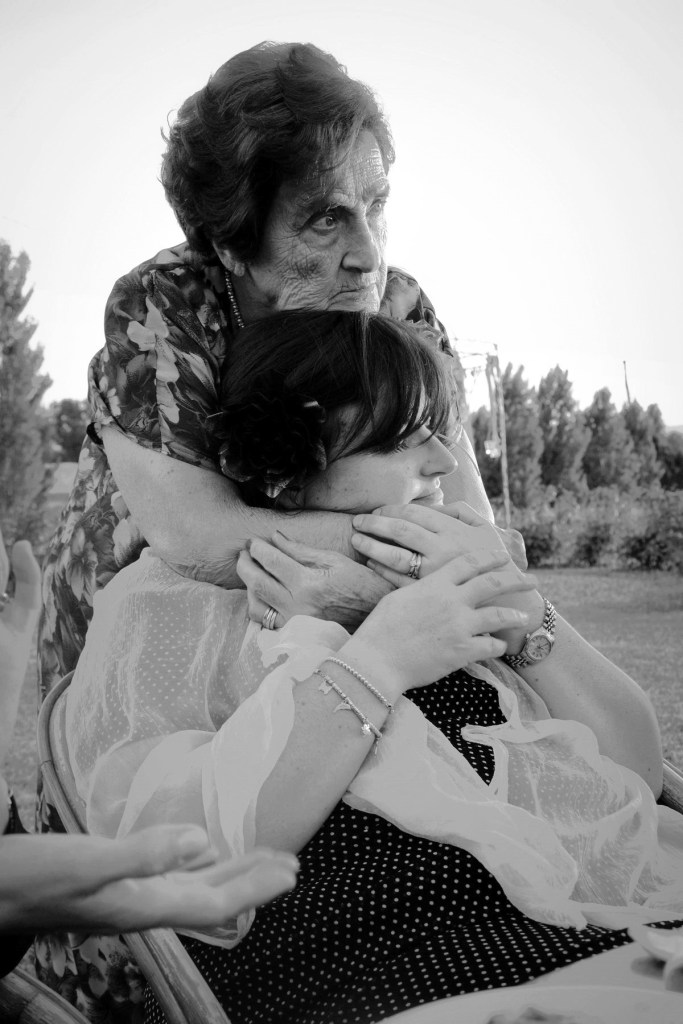
I don’t know, maybe it’s the way Ines is leaning on Silvia, as if she was there to protect her, or maybe it’s the fact that Silvia is closing her eyes but she is smiling at the same time, seizing this loving moment, completely trusting her grandmother…For these reasons this is my favorite shot of that day, taken at Elisa and Federico’s wedding reception. As spectators, we enjoy admiring beautiful pictures, but we also need to connect to people, and photography allows that! I am proud of this shot, that technically is far away from being perfect, but when I look at it, a good feeling warms me up. And this is also what photography is about.

Elisa & Federico [Parma, 2011]

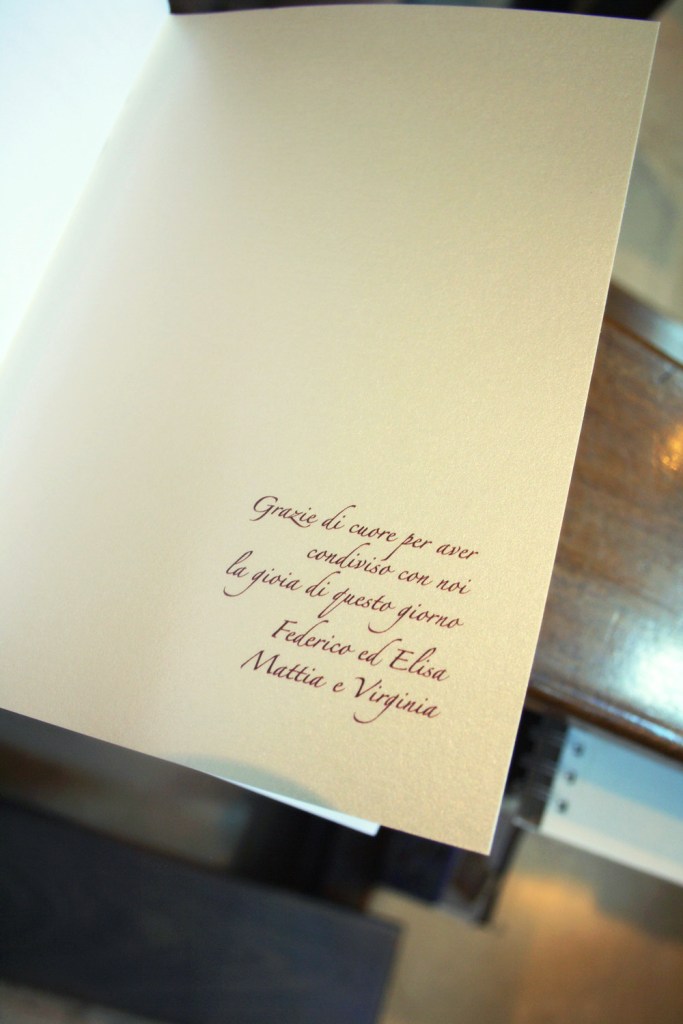
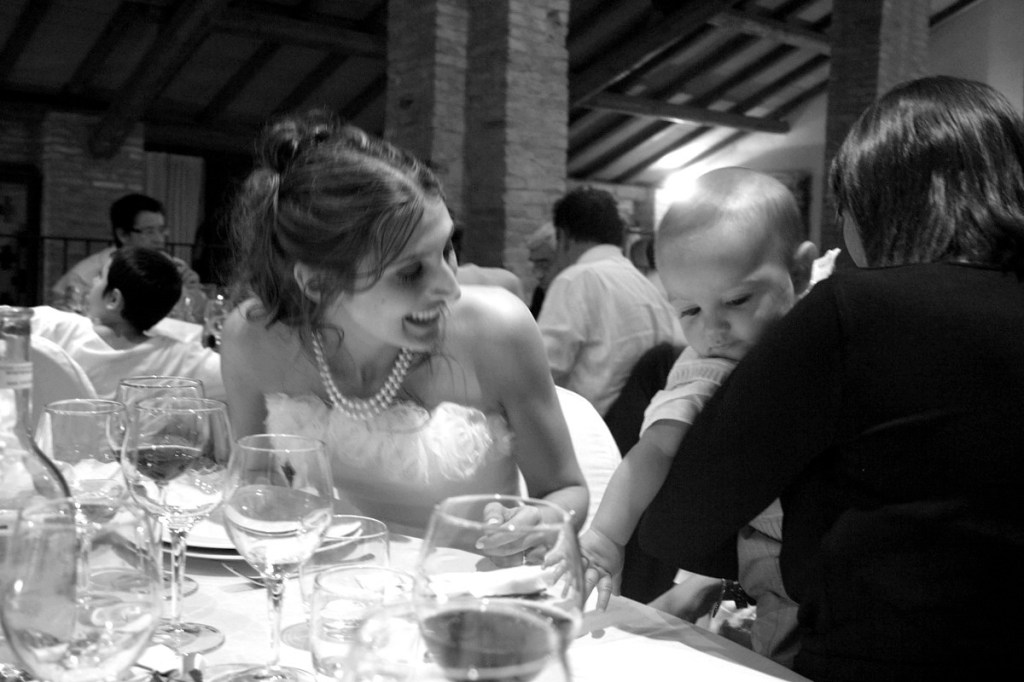
Elisa & Federico are my second cousins. They tied the knot in 2011 and I was invited to their wedding, together with my grandmother (who was obviously over the moon to get the chance to spend a day with her family!). Granny was one of the sisters of Federico’s grandfather, Alfredo, who unfortunately passed away the year before. His absence was palpably felt. But let’s skip our family stories to get straight to the point…

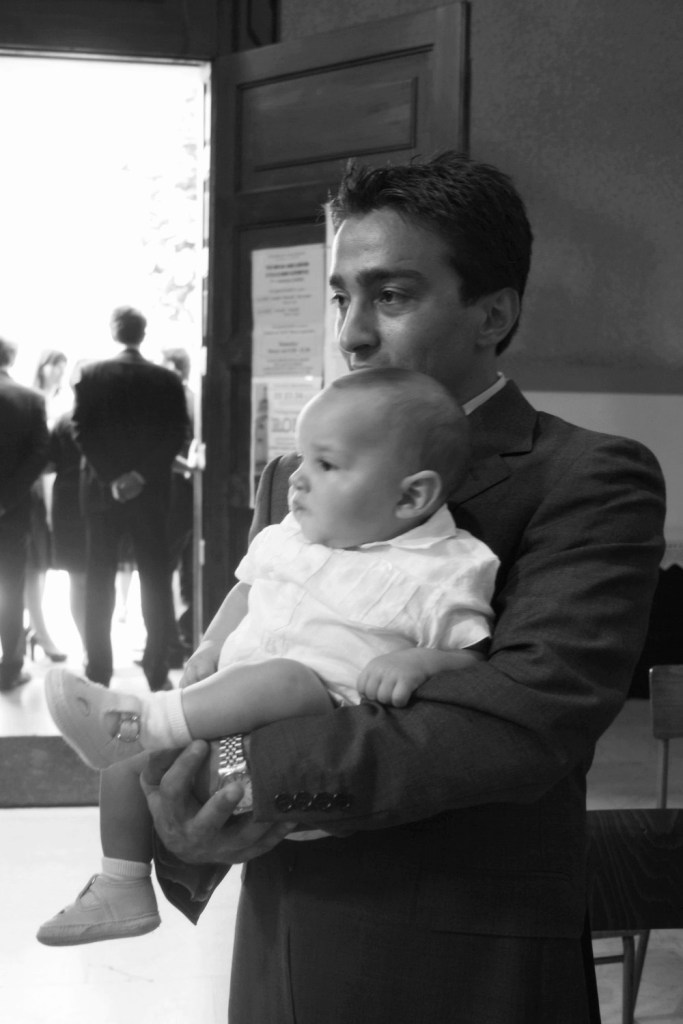
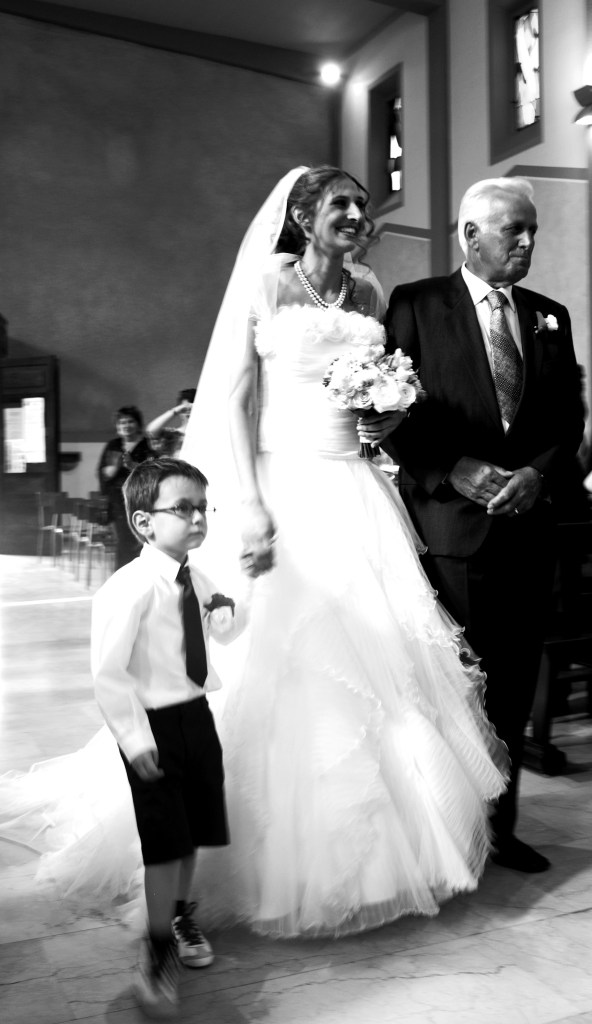
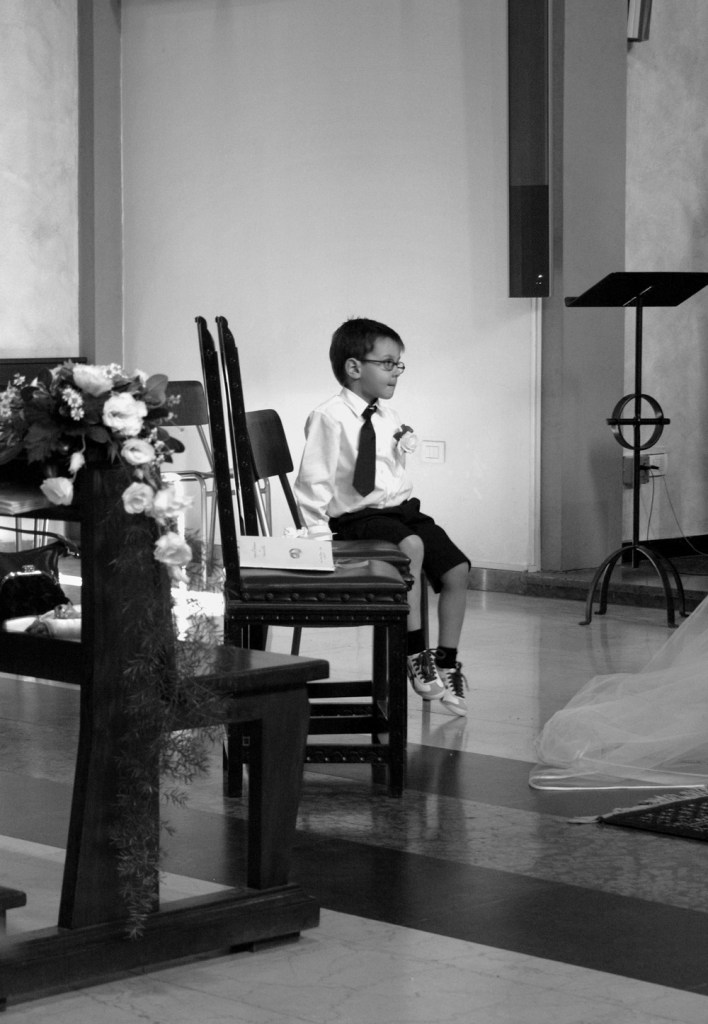
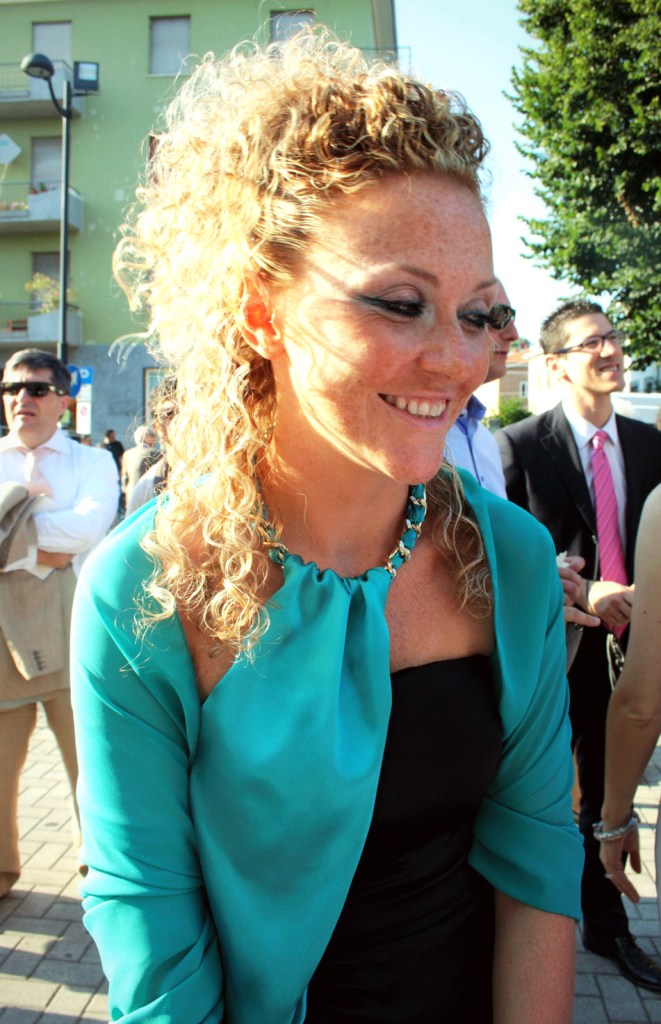
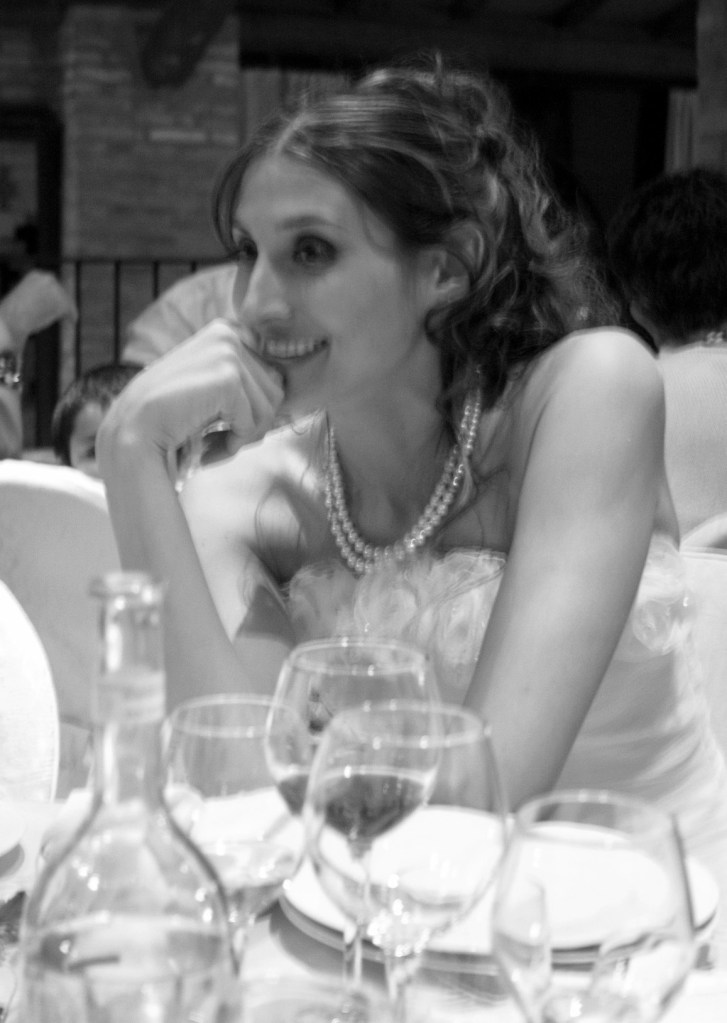
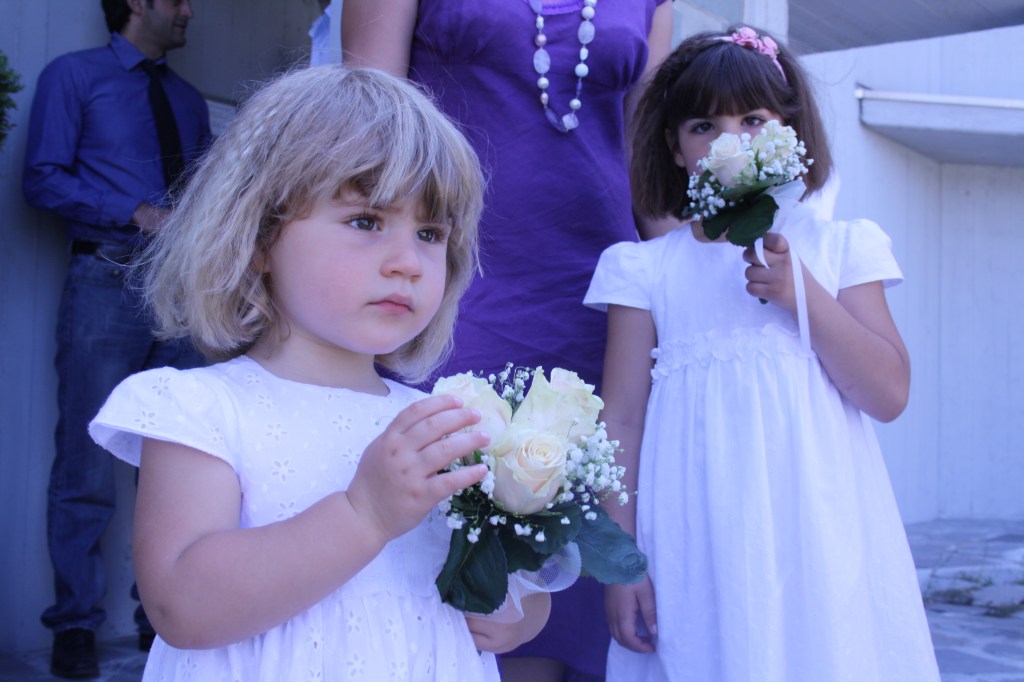
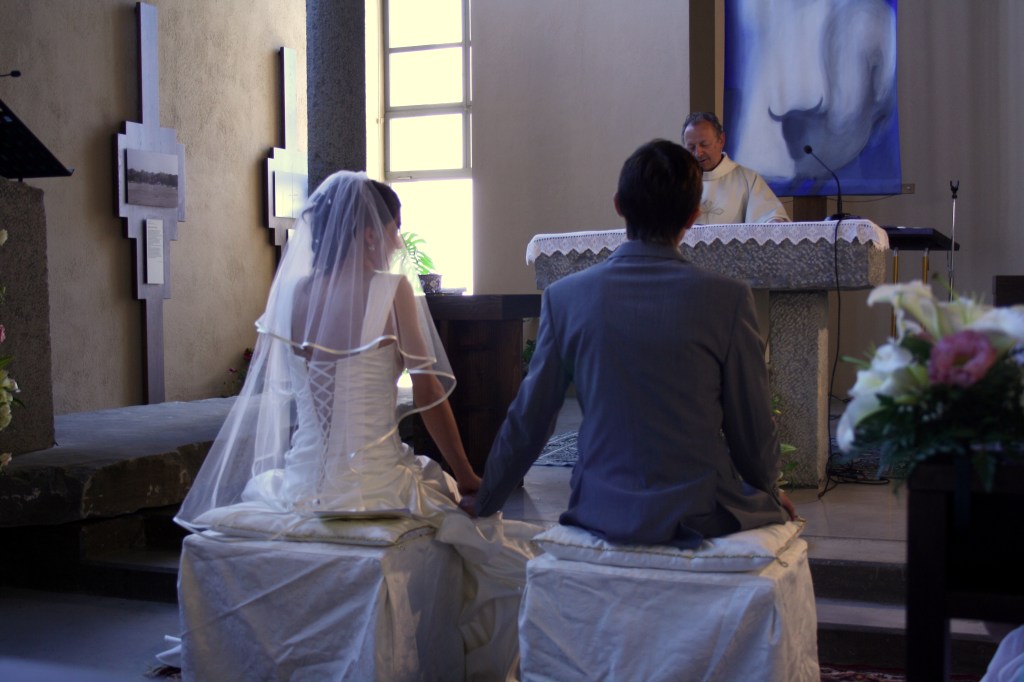
July the 2nd was a remarkable day: a loving & lovely ceremony was held at church; the grandfather walked Elisa down the aisle with the help of Mattia. while beautiful Virginia (their youngest) was cuddled by groom’s grandparents. Elisa was dressed like a model in her stunning gown! It was a summery, warm evening at the venue La Vignazza that was a tasty choice. Rossana & Guido, Federico’s parents (who are a sociable, warm and generous couple) were absolutely delighted. My cousins kids (they were quite a bunch!) were quite easygoing and enjoyable. During the dinner the music’s selection was perfection and oh yes, I took some beautiful shots of Ines (the groom’s granny) with her grandchildren.

Somebody is not getting into the mood of the occasion…

Granny with a TV advert smile!

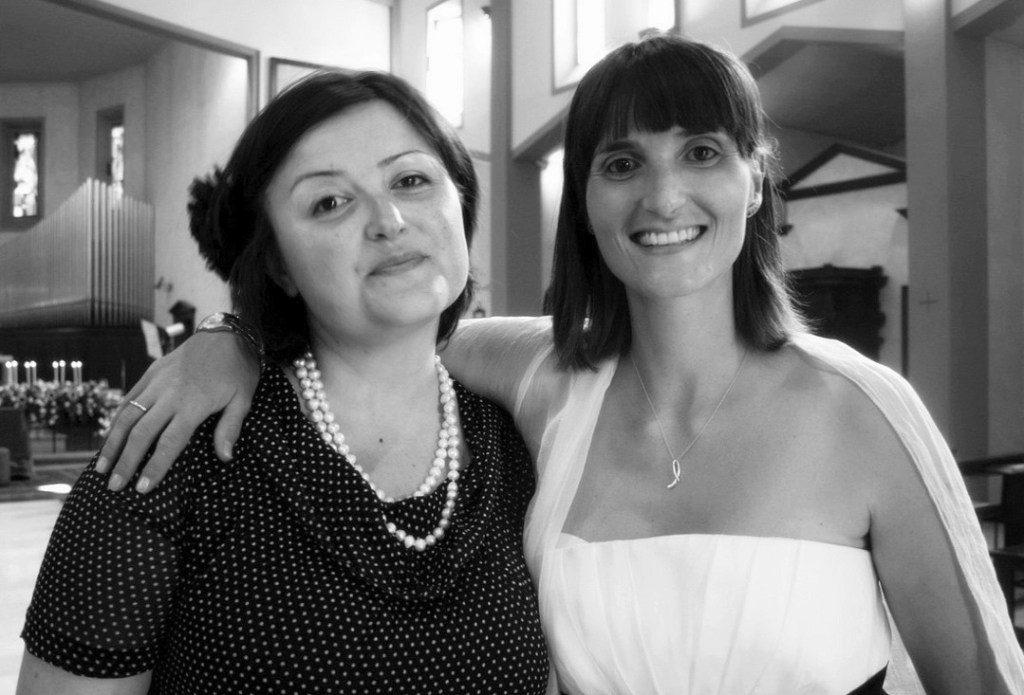
Silvia Maria & Licia, first cousins of the groom

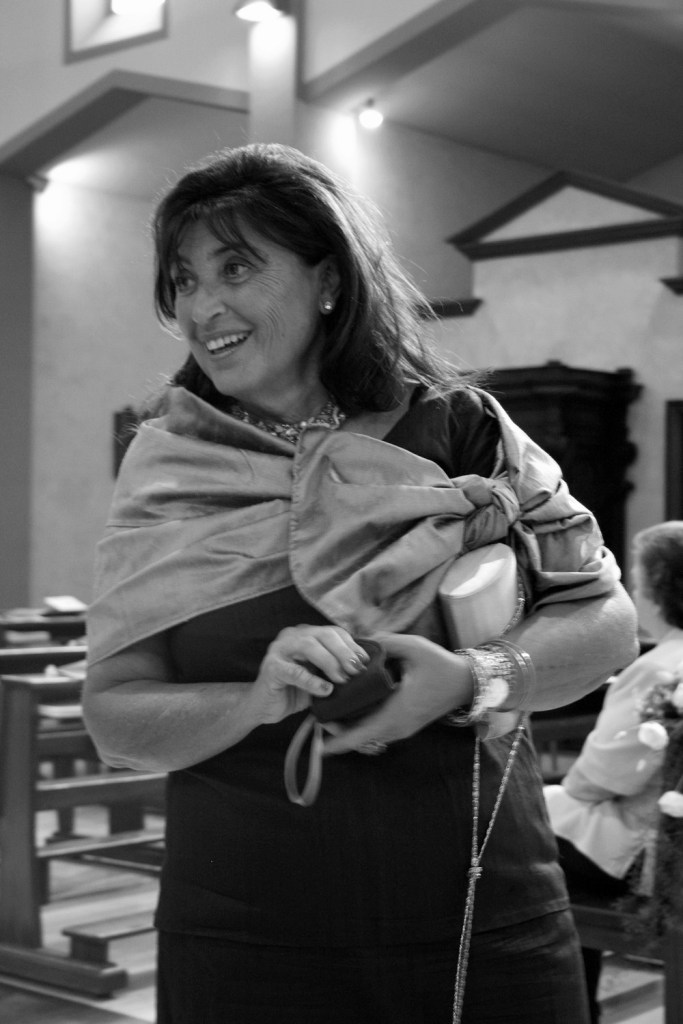
Amazing Mara!

The youngest cousins…

and the beautiful bride proudly escorted!

Virginia checking on the ceremony’s progress…

A relaxed but also touched Francesca, sister of the groom

Super Rossana, the mum of Federico!

The VW Dormobile!

Guido, the groom’s dad, known for his entertaining skills!

I LOVE these 2 pictures SO MUCH

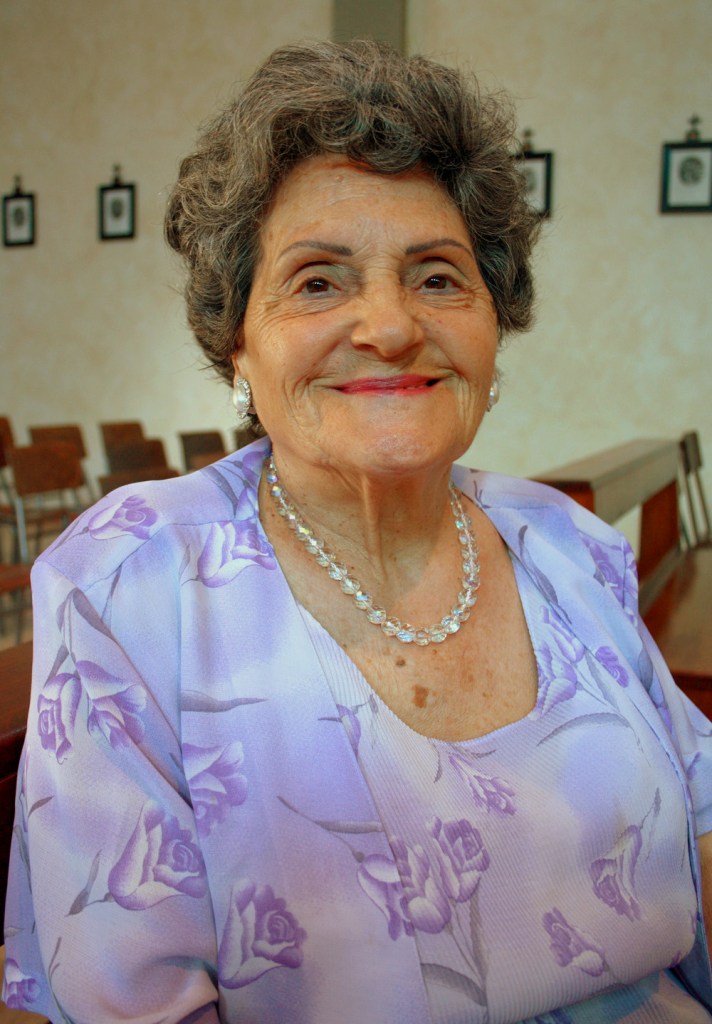
but this is my FAVORITE! Granny Ines & granddaughter Silvia Maria

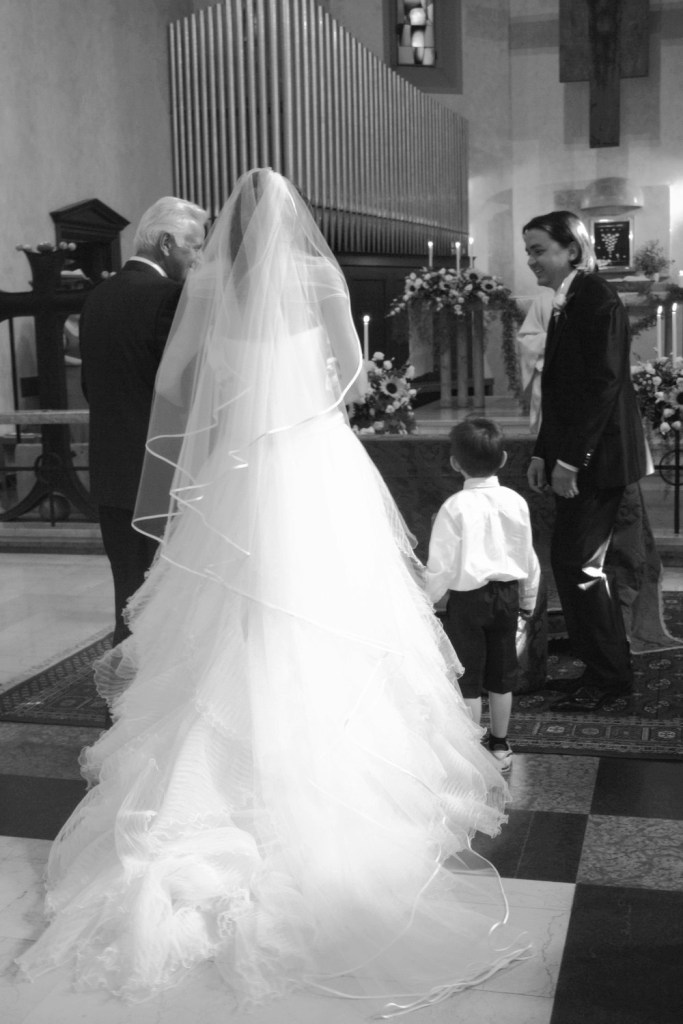
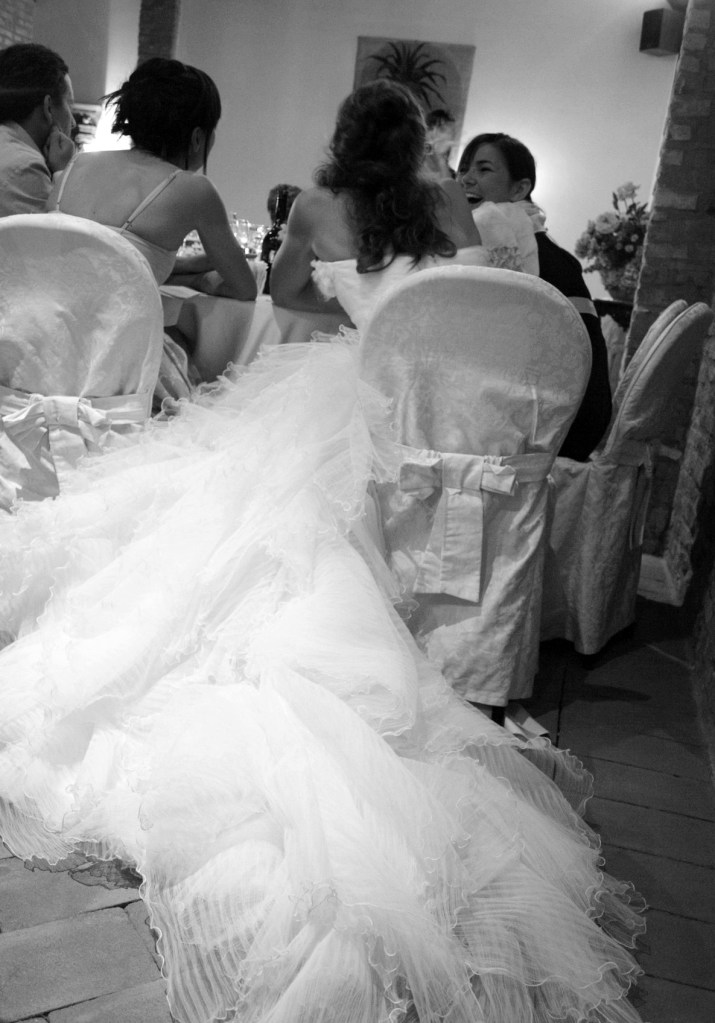
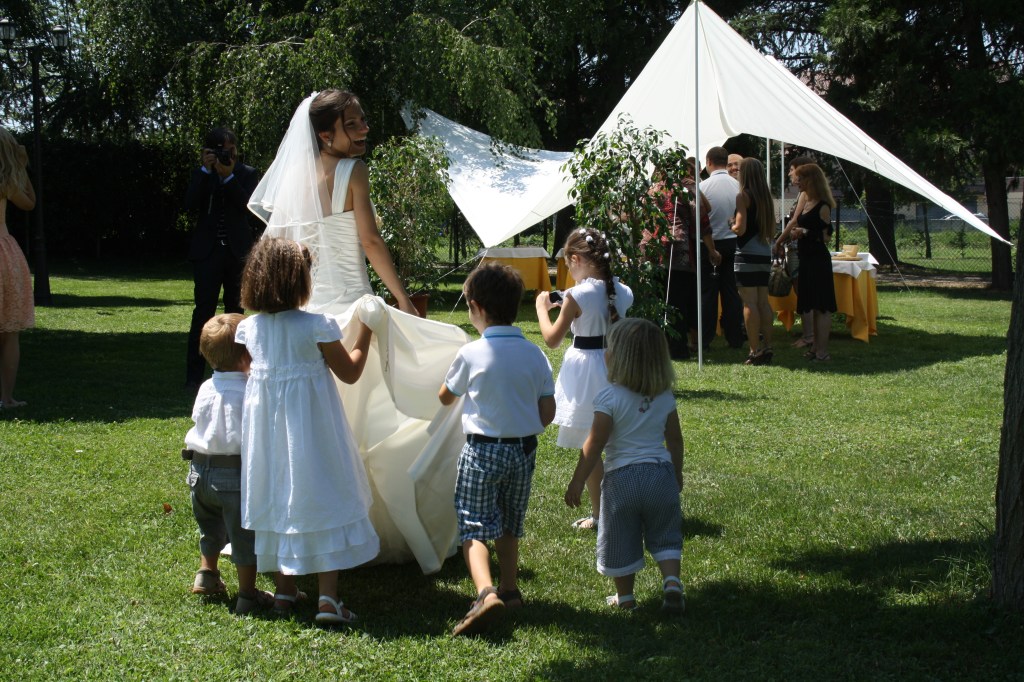
and to finish, the gown’s train!

The best shot of the day…[2011]

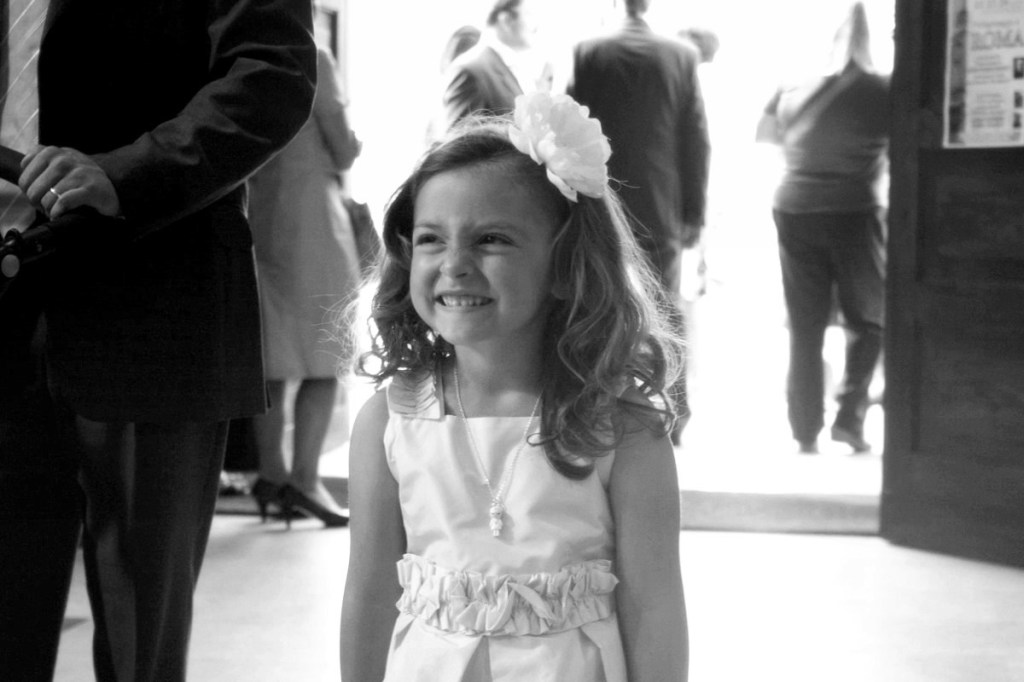
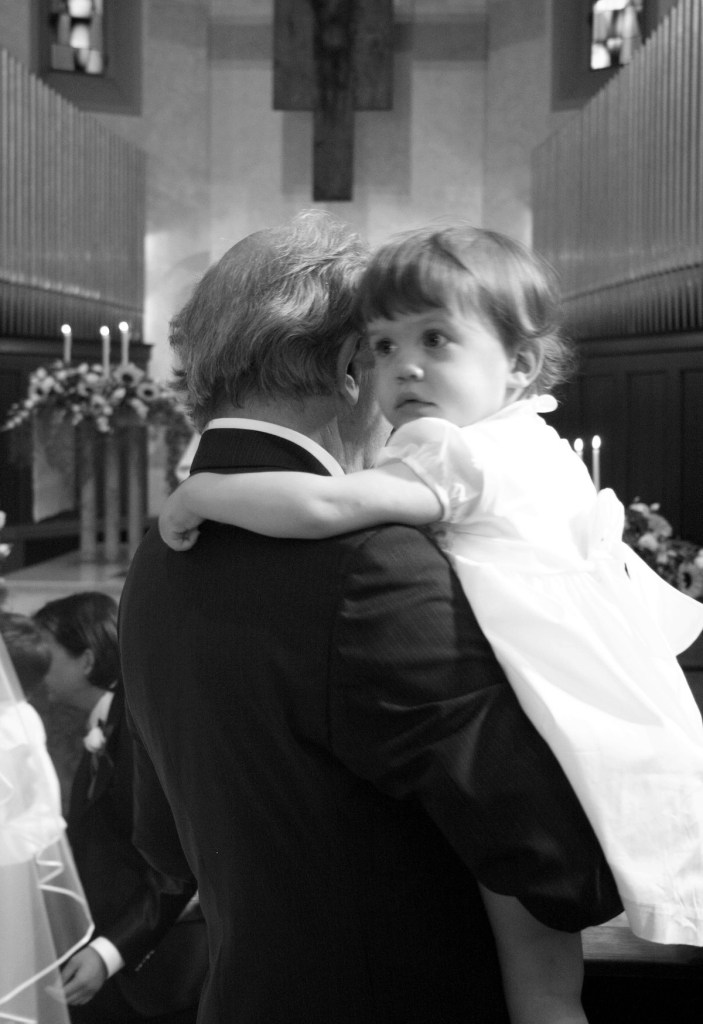
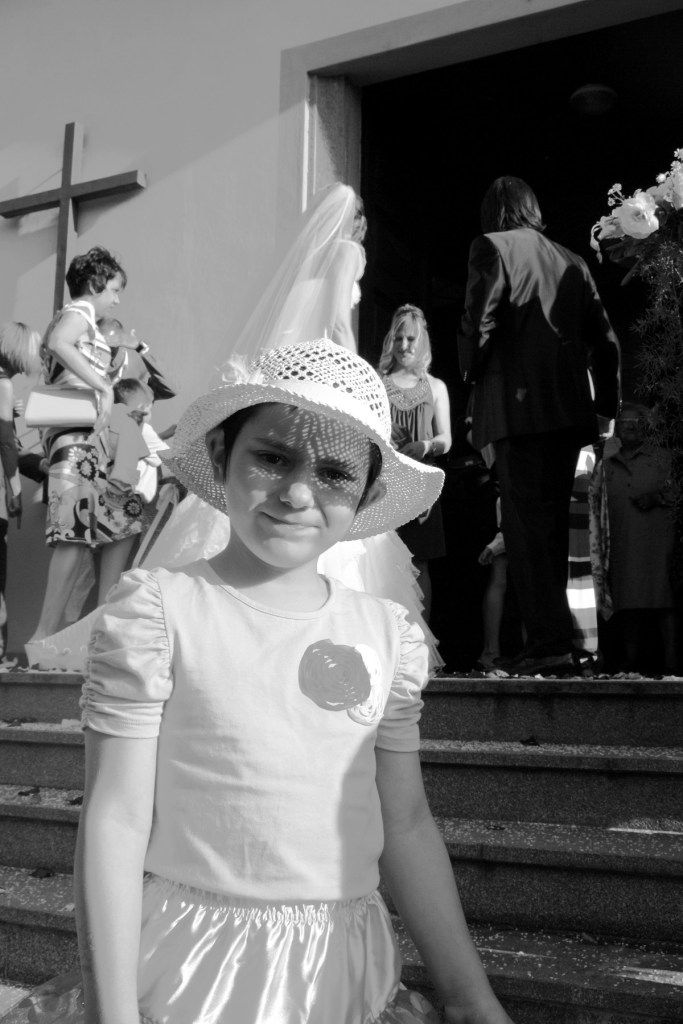
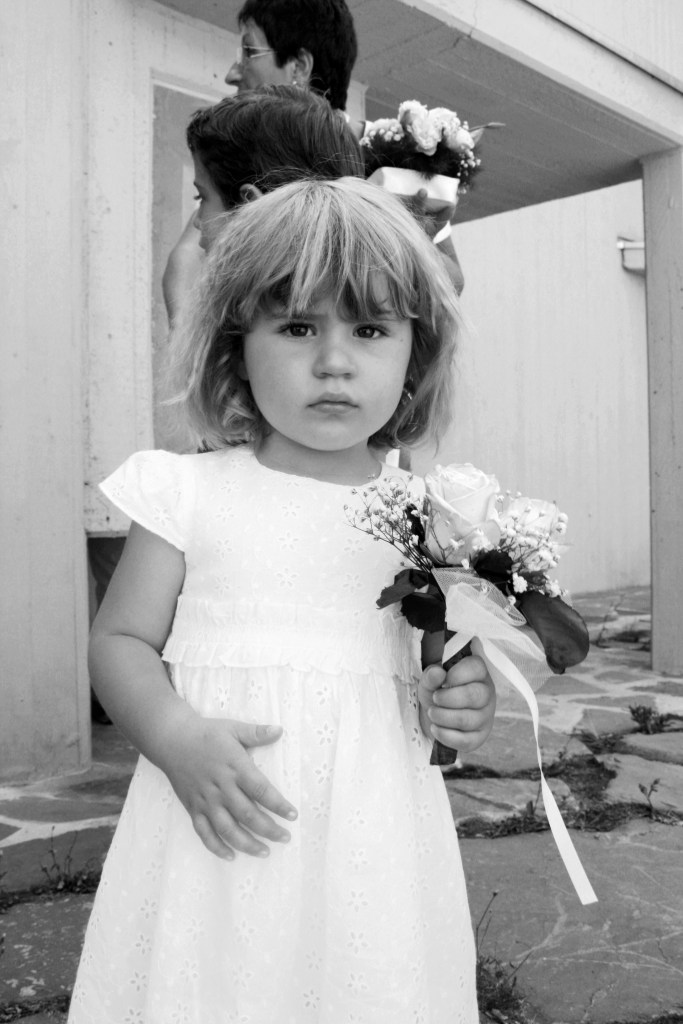
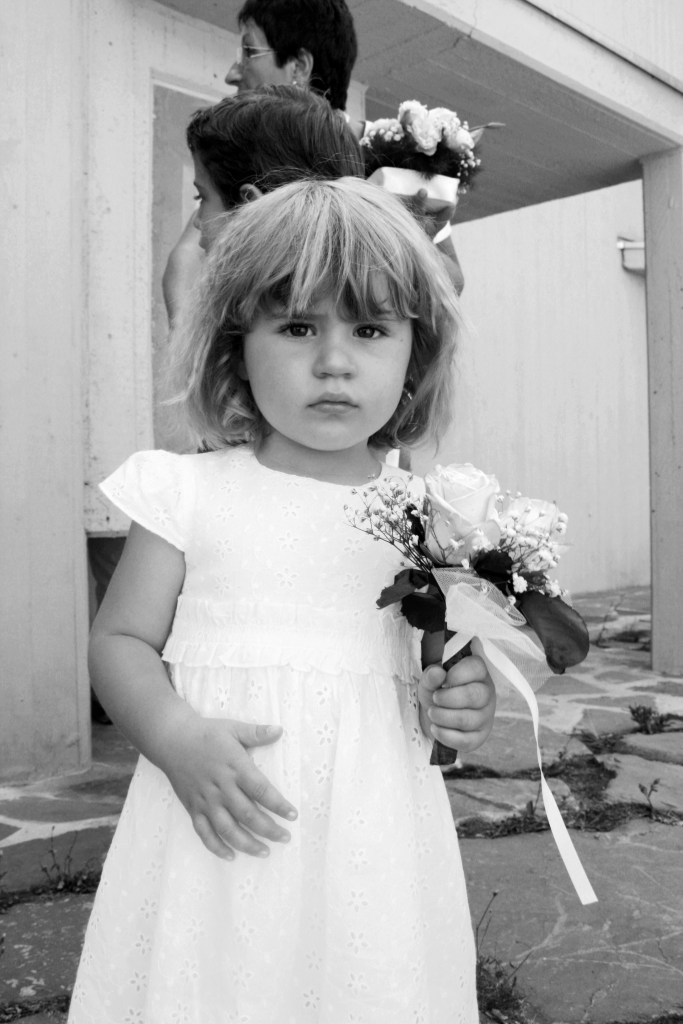
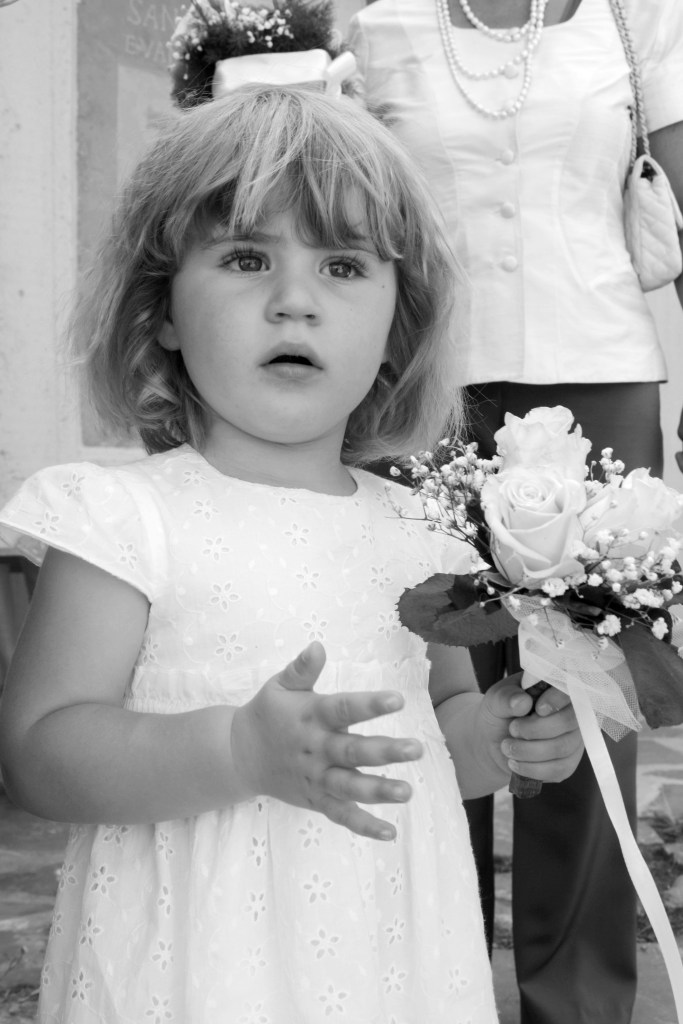
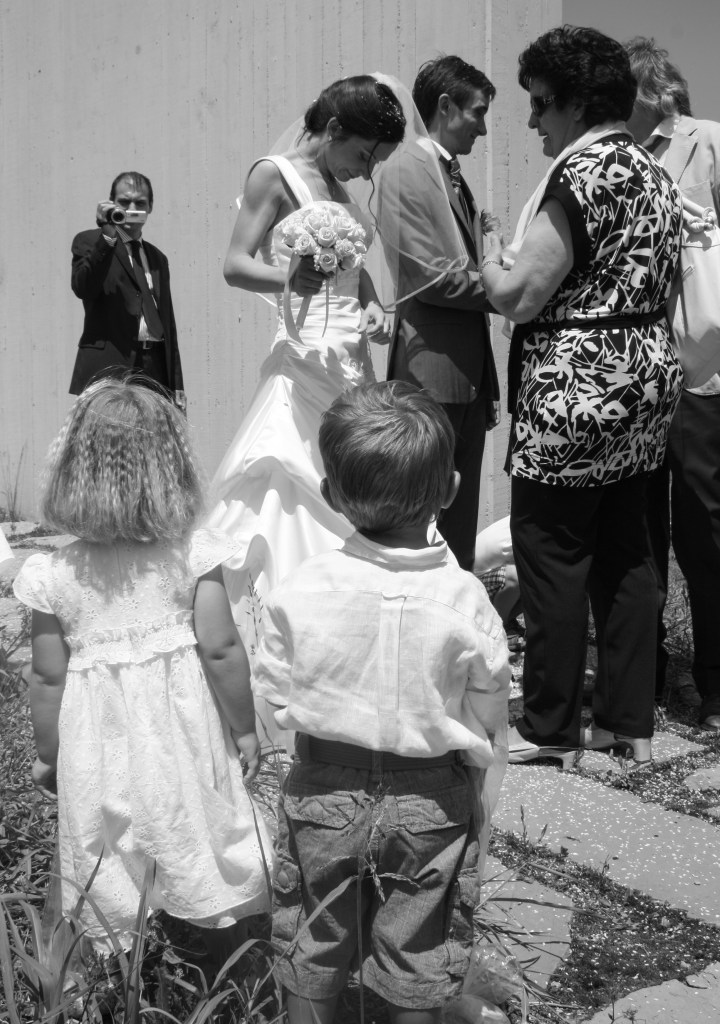
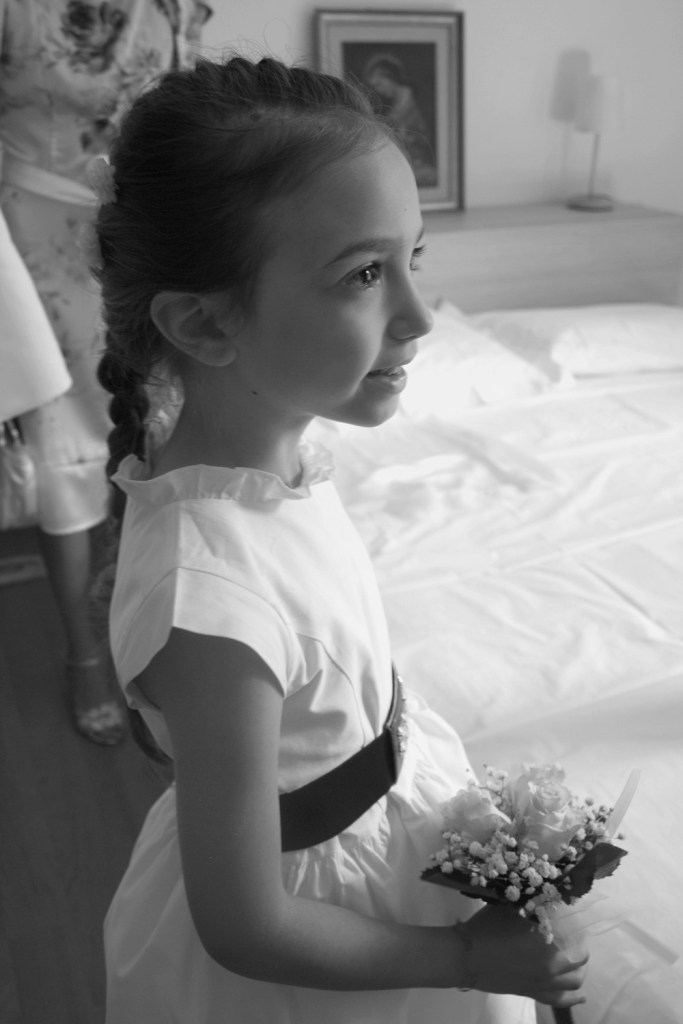
Even now (after many years) I think that one of the best shots taken during Diletta’s wedding day (if not the best one!) is the snapshot of her little cousin, who was one of the flower girls.

What makes me believe that it’s a winning one? The fact that I took it at the right moment. The little one is spontaneous, she is not posing. I don’t recall asking her to smile or to say something. She just looks straight into the camera. Almost impossible to wonder what she is thinking about. She has sort of an enigmatic, deep glaze. There’s a central, vertical line that provides a sense of rhythm and continuity. Also, the black & white editing gives this scene more power. A penny for your thoughts!

Diletta & Davide [Parma, 2011]

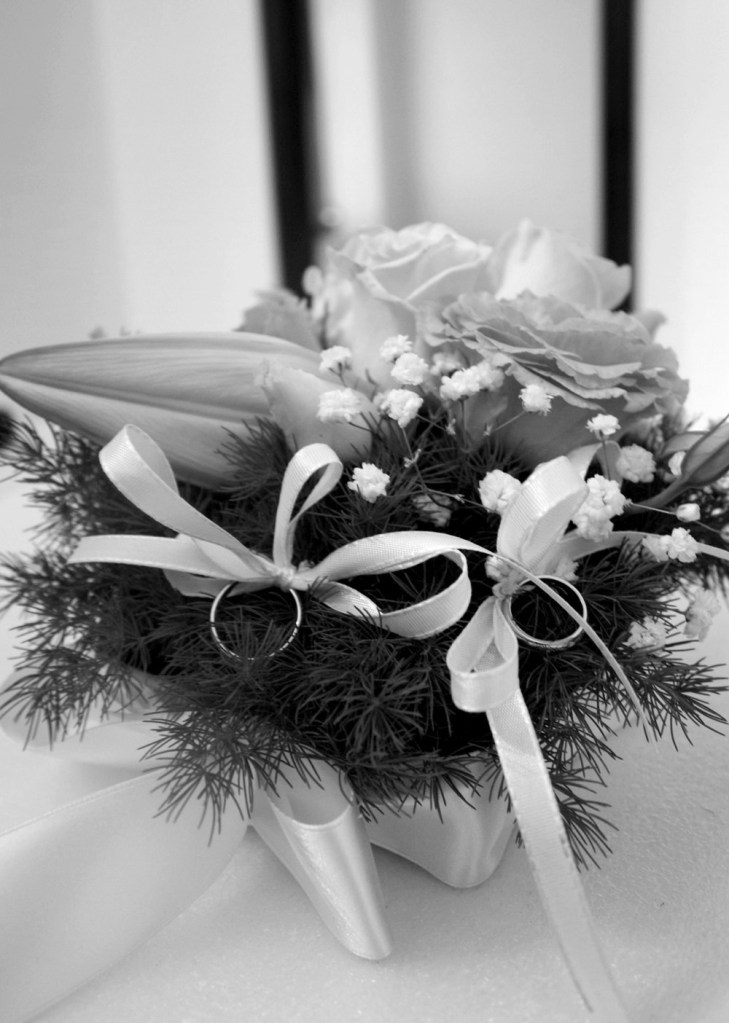
The fact of having known a friend for your whole life, makes it easier to take a few shots while she’s getting ready for her big day…This is quite uncommon, being among the guests and, at the same time, having the privilege of taking photos but it is so cool! Diletta and Davide got married on a sunny Sunday, 26/06/2011, which passed into our friends history book as a beautiful day, under the flags of friendship & love!

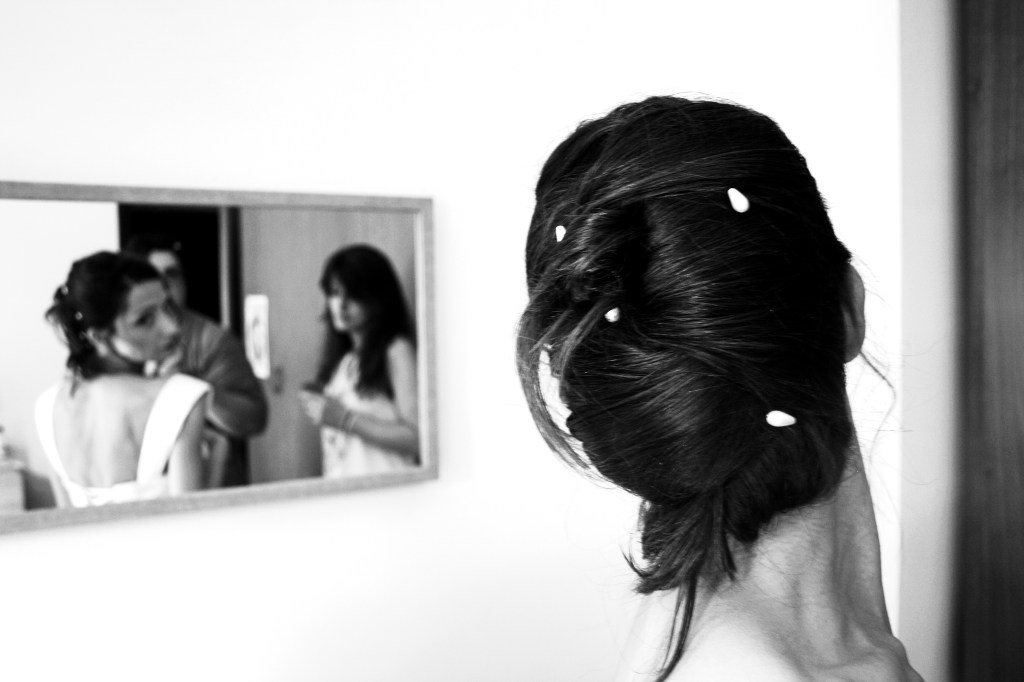
Below, a great Vale Coco make-up artist at work!

Hey, Fede has got the power!

Followed then by Andrea!

A serious couple-portrait…

Uhm, Laura as a potential competitor? 🙂

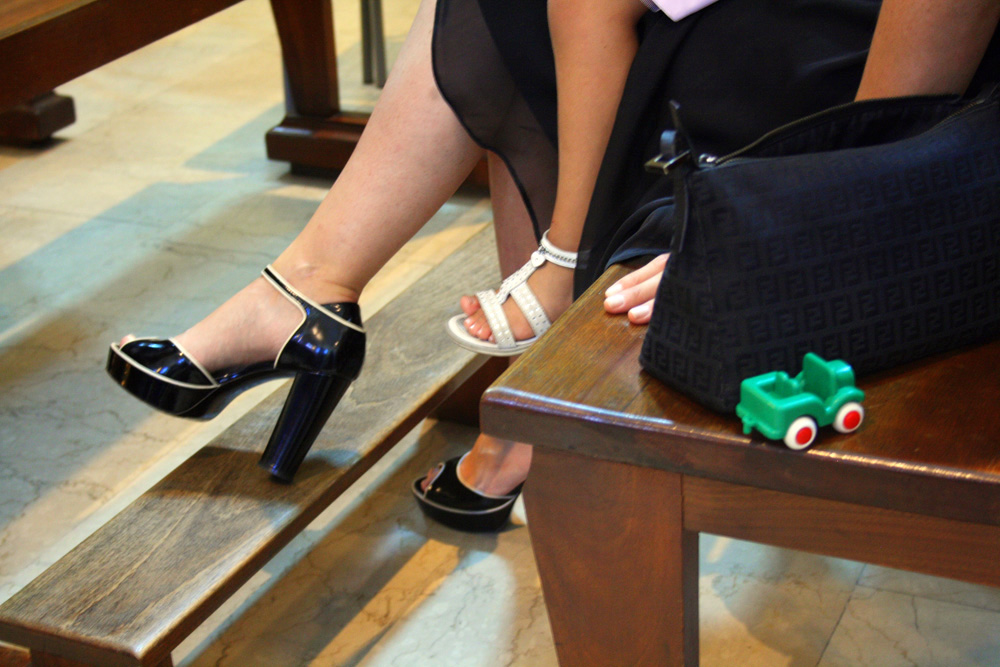
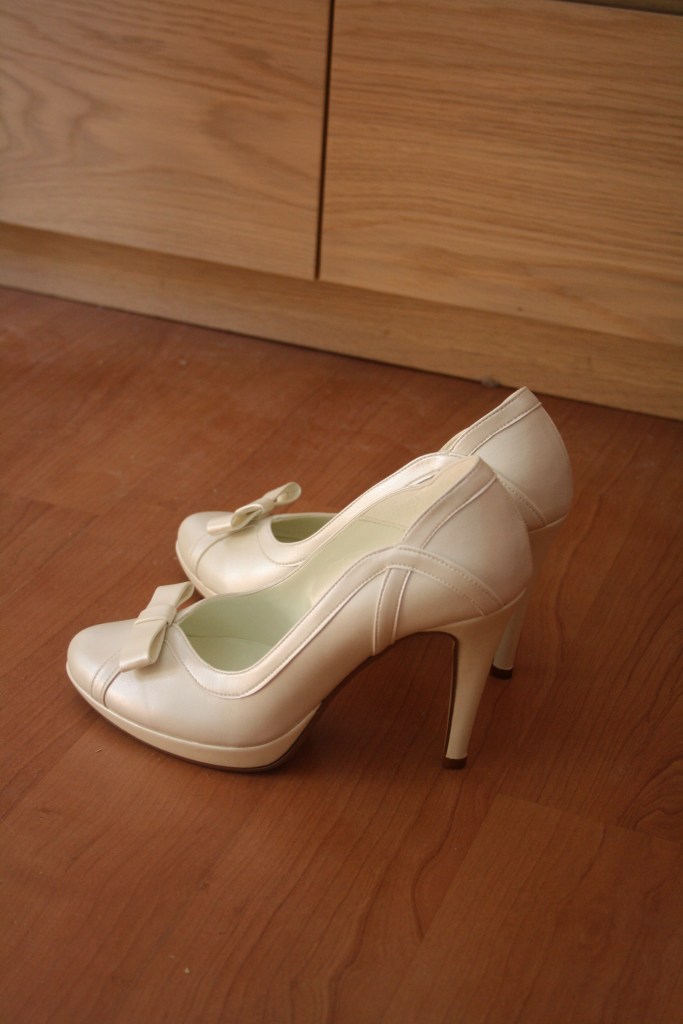
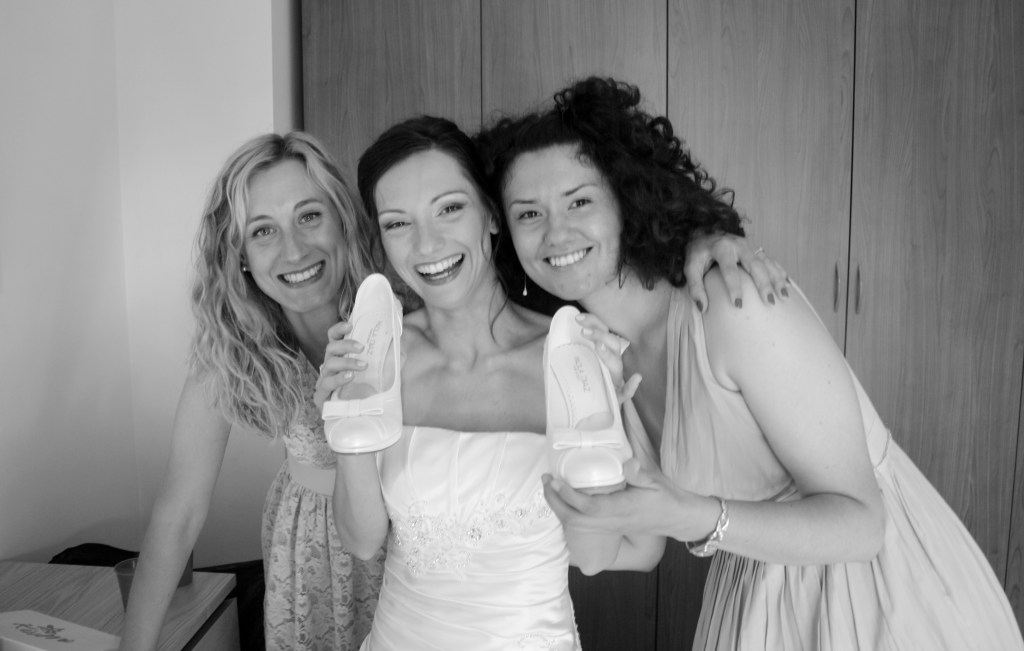
S H O E S !

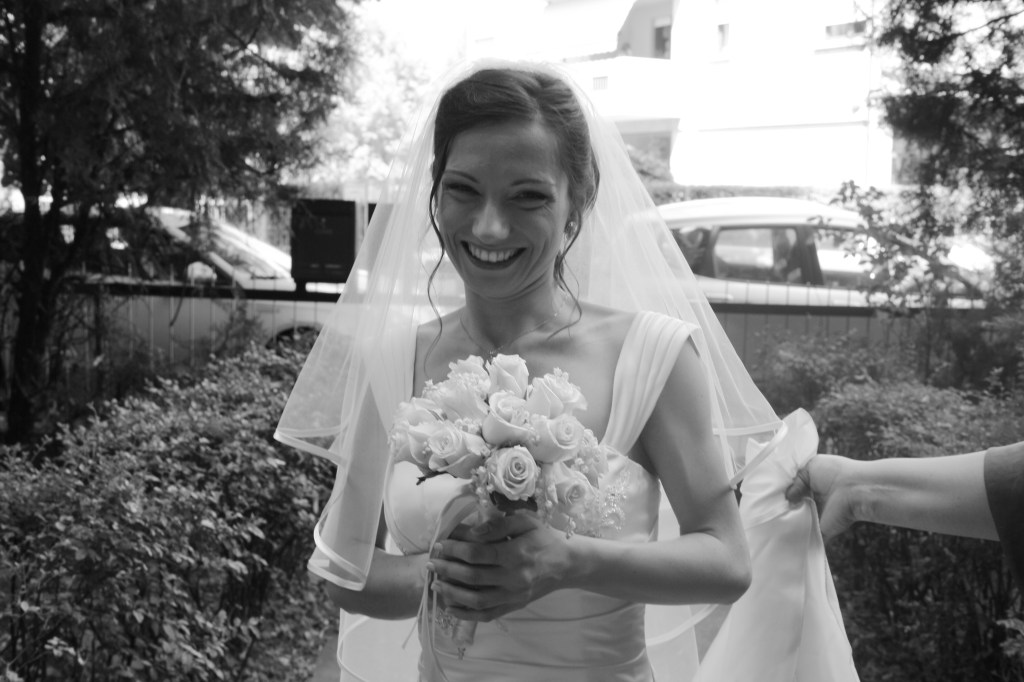
Diletta, you are GORGEOUS! You have an infectious laugh!

A very proud momma Annamaria!

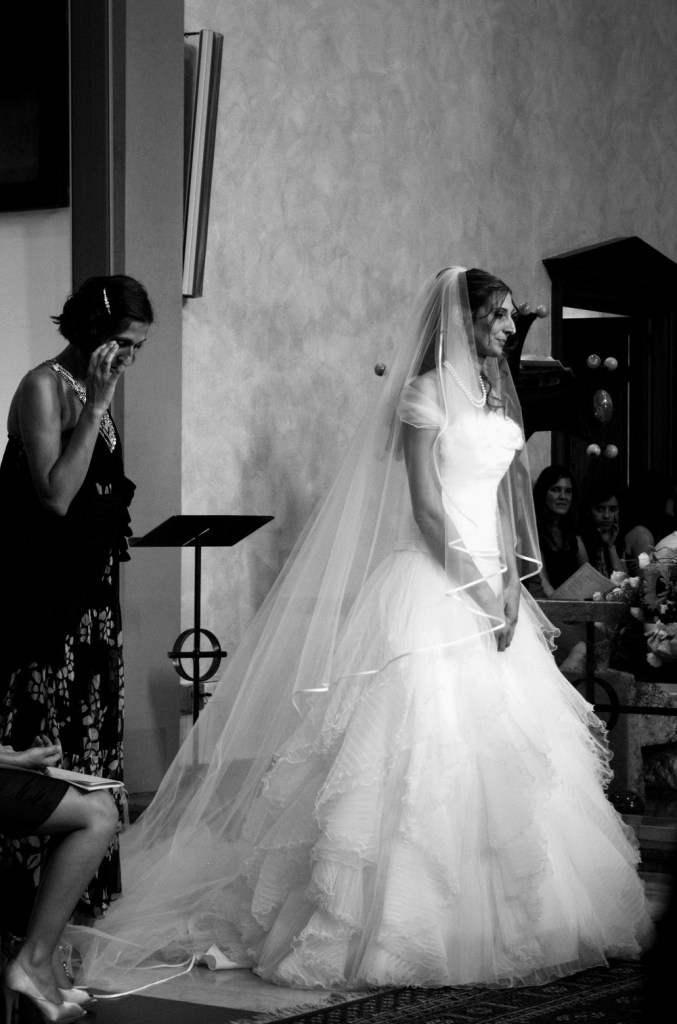
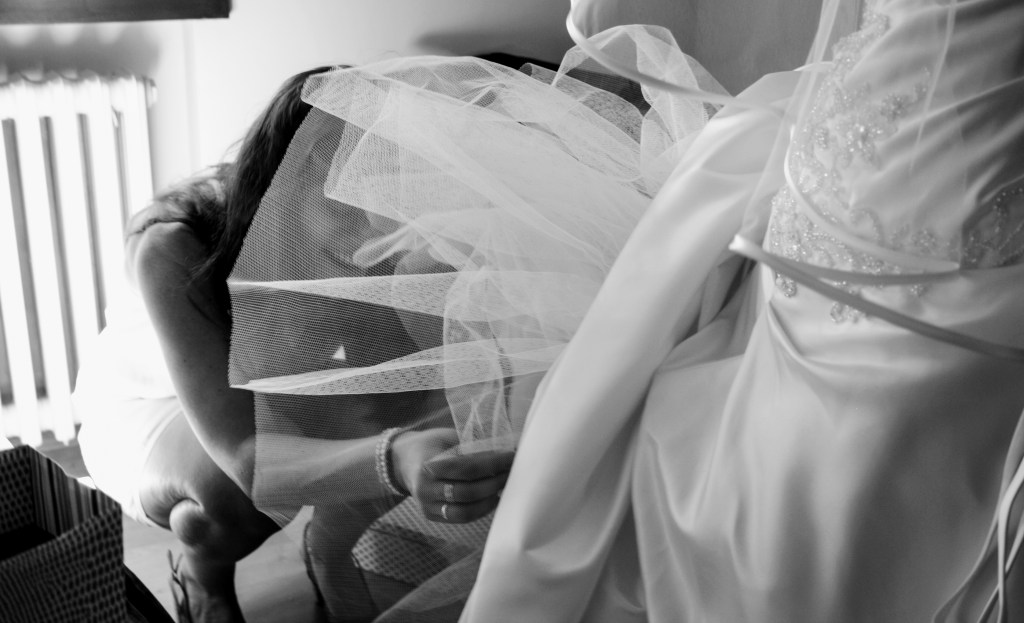
A bride and her veil!

A final check and..Yes, all seems ok!

Is it now TIME to go?! Shall we? 🙂

The moment when you release that kind of feeling: “YES, all went well!”

Merle [Parma, 2011]

Merle is a German friend who came to visit me in Parma at the beginning of summer 2011. Back at those days, I considered the camera a toy, so we played with it! Two mini (relaxed!) portrait sessions emerged. I have attached some of her pictures. I think that she has a very sweet, delicate smile.

27/06/2011

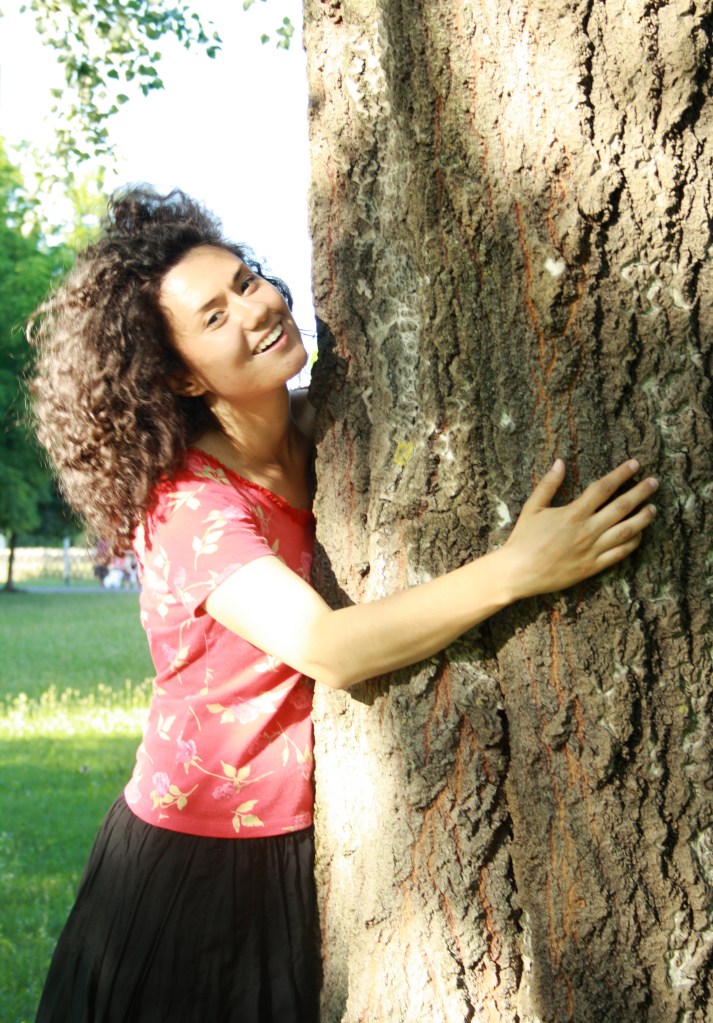
Thank you Merle for this shot…I don’t know why I was hugging the tree!

BoulevArt [Parma, 25/06/2011]

There is no mystery about the fact that I am a reserved person but that I can also be quite communicative (well, to be honest, during my childhood years I loved to be the center of attention, even though I was too shy to impose myself). Nor about the fact that I am a bit lazy!!

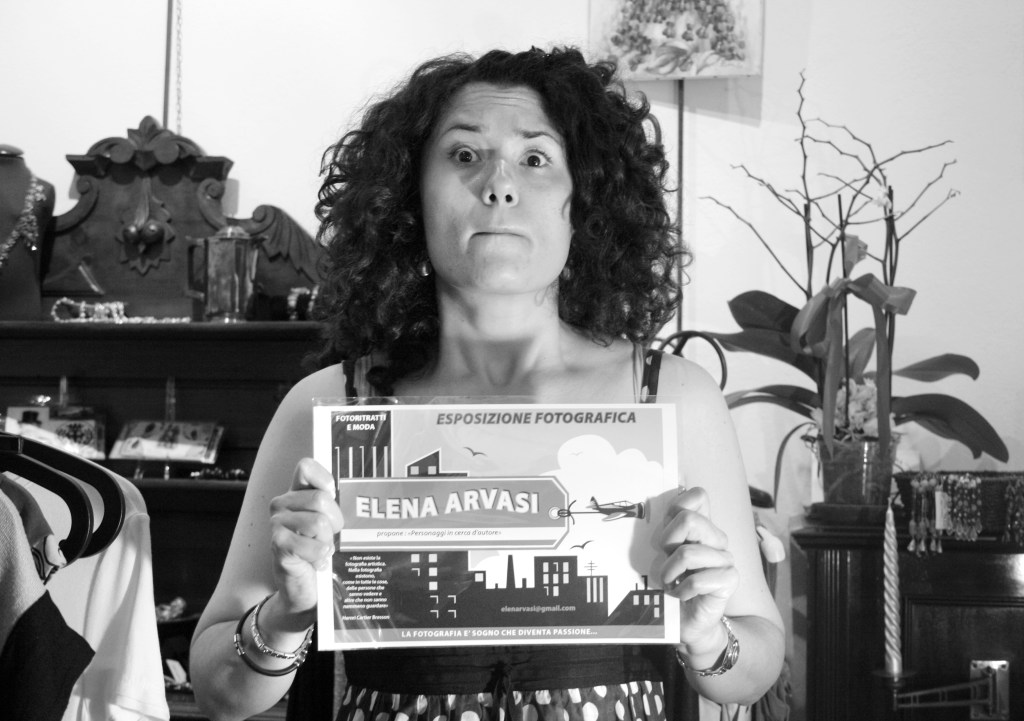
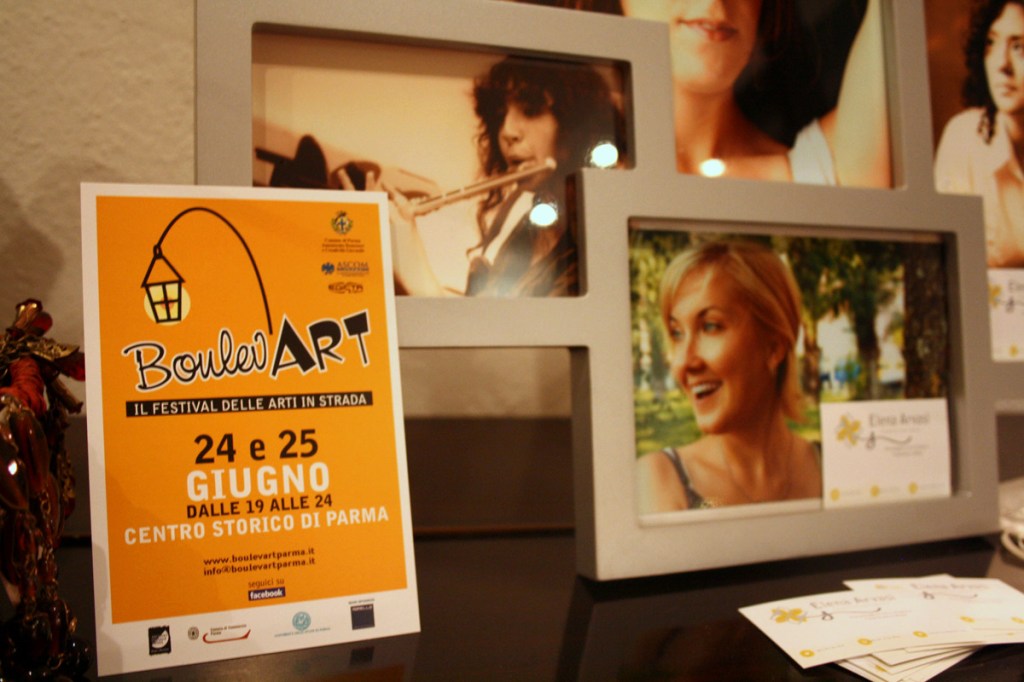
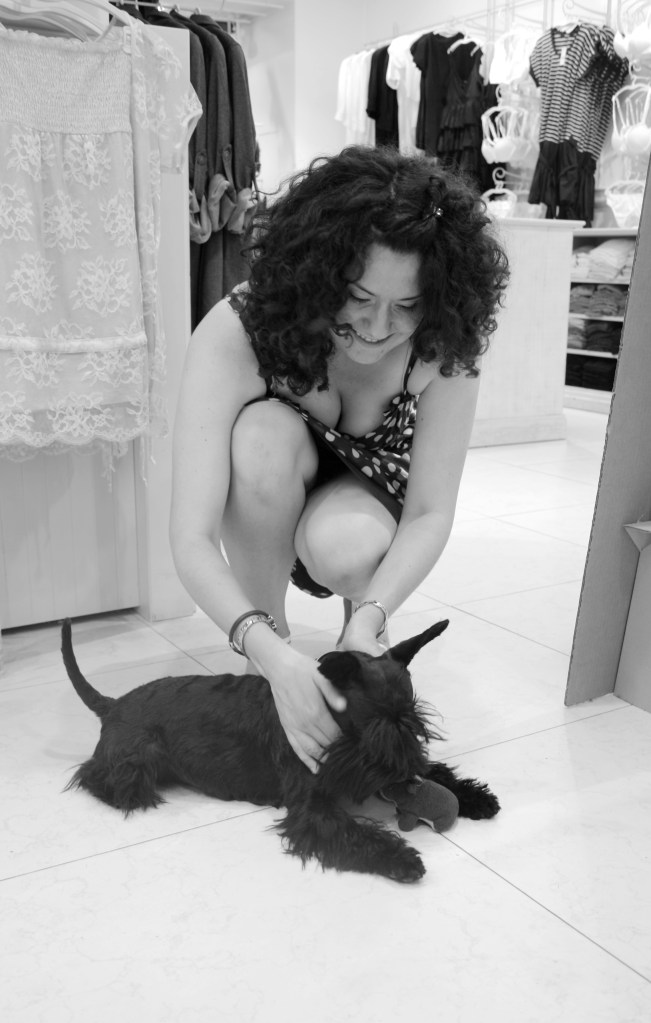
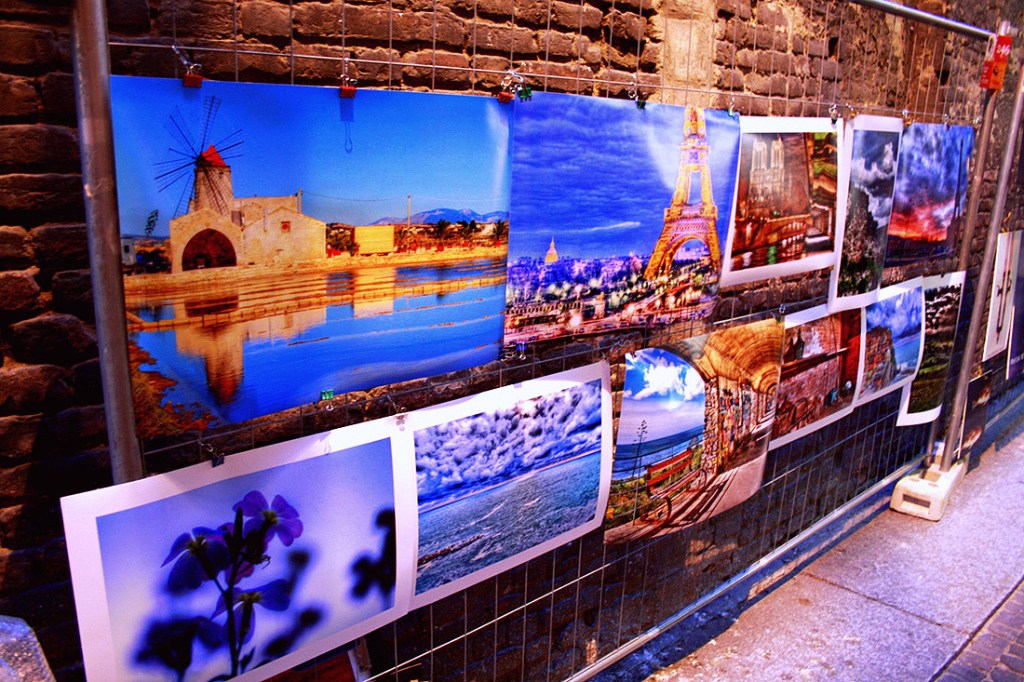
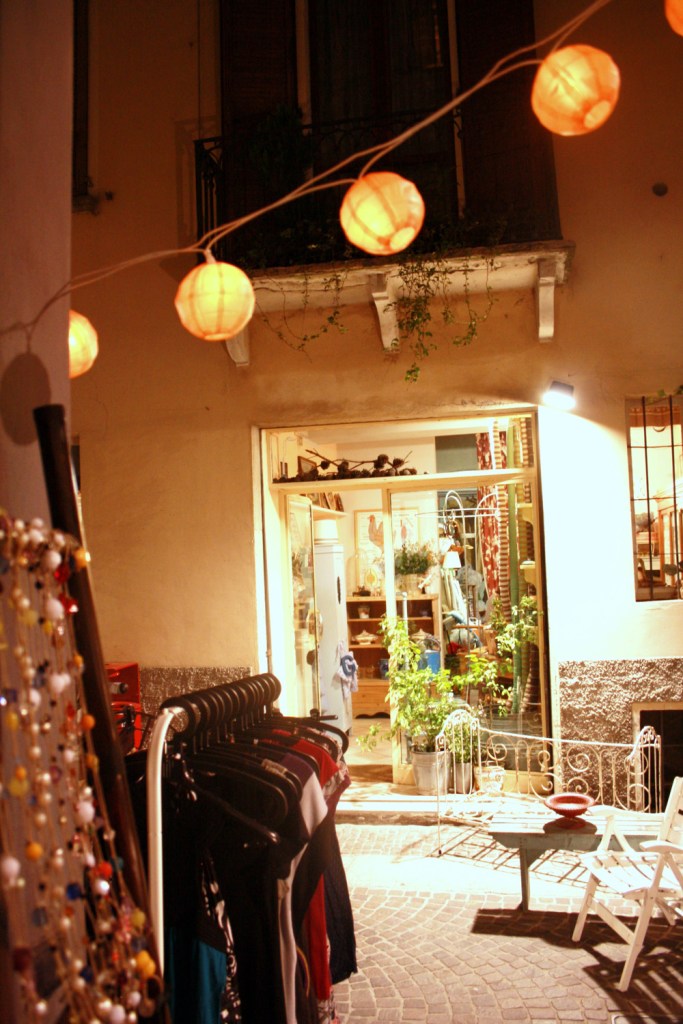
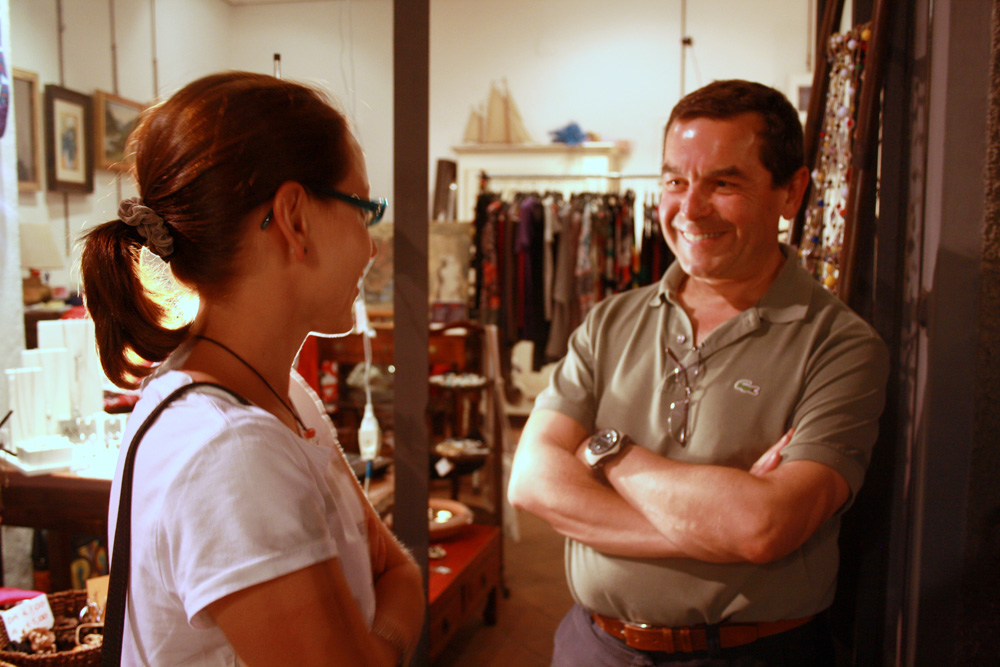
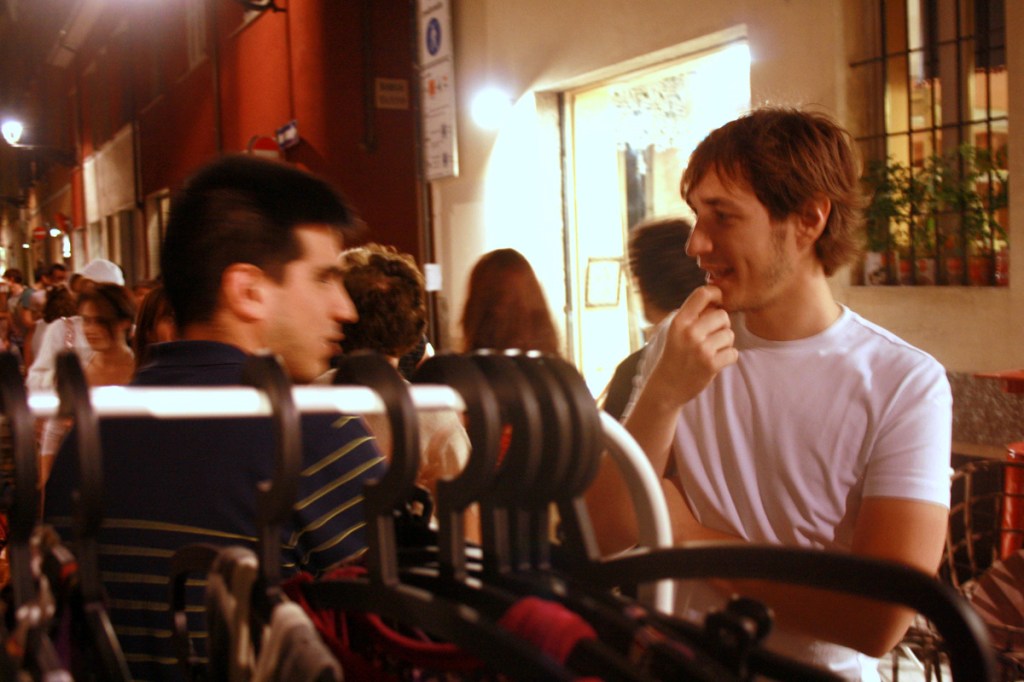
Over the years many people asked me if I would organize a photo exhibition. I always replied that I didn’t know. Now, actually there was only one occasion when I printed a few pictures from my portraiture portfolio and displayed them in a shop! It was during BoulevArt 2011, in a clothes boutique (La sfinge of the great Laura Fabiano!). As you can gather from the 1st image (thanks Laura for this shot) I was not super pumped 🙂

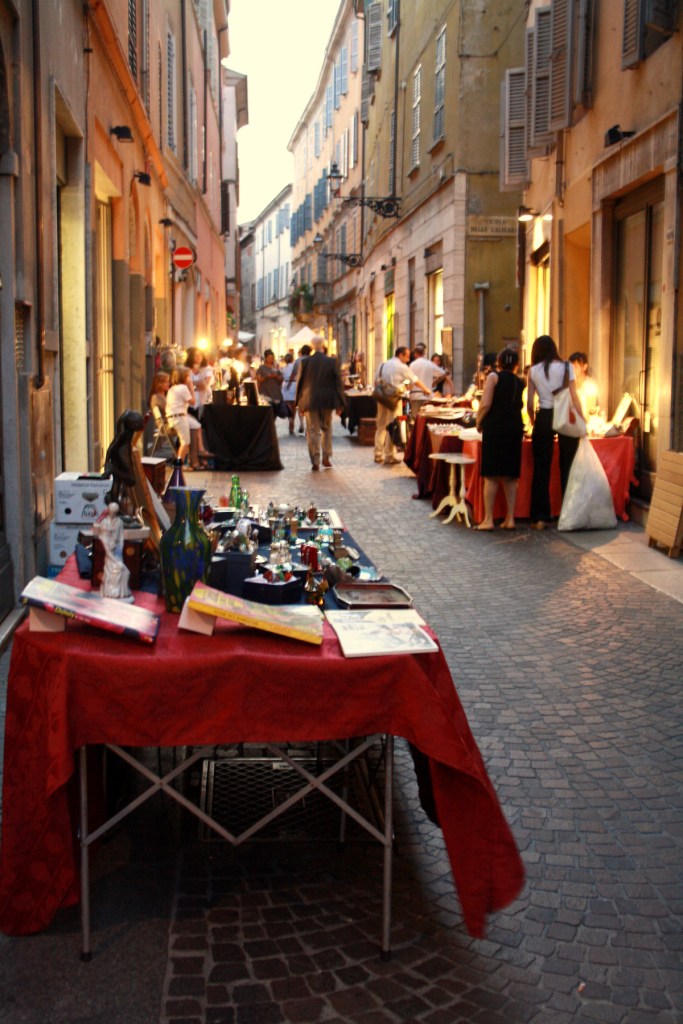
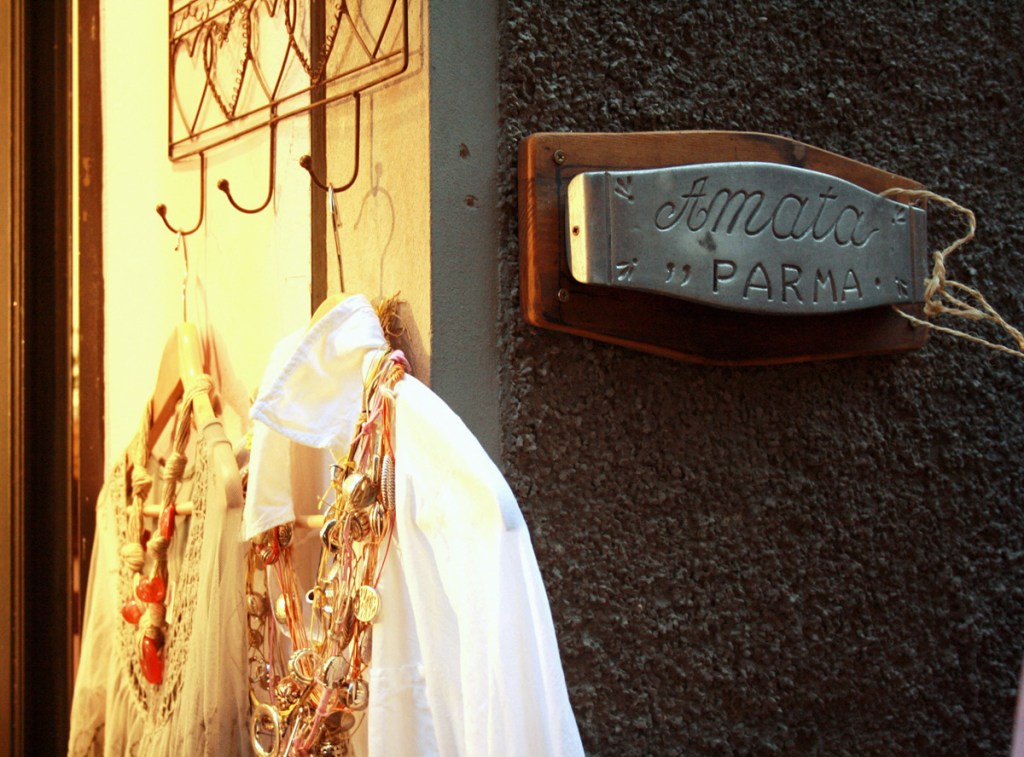
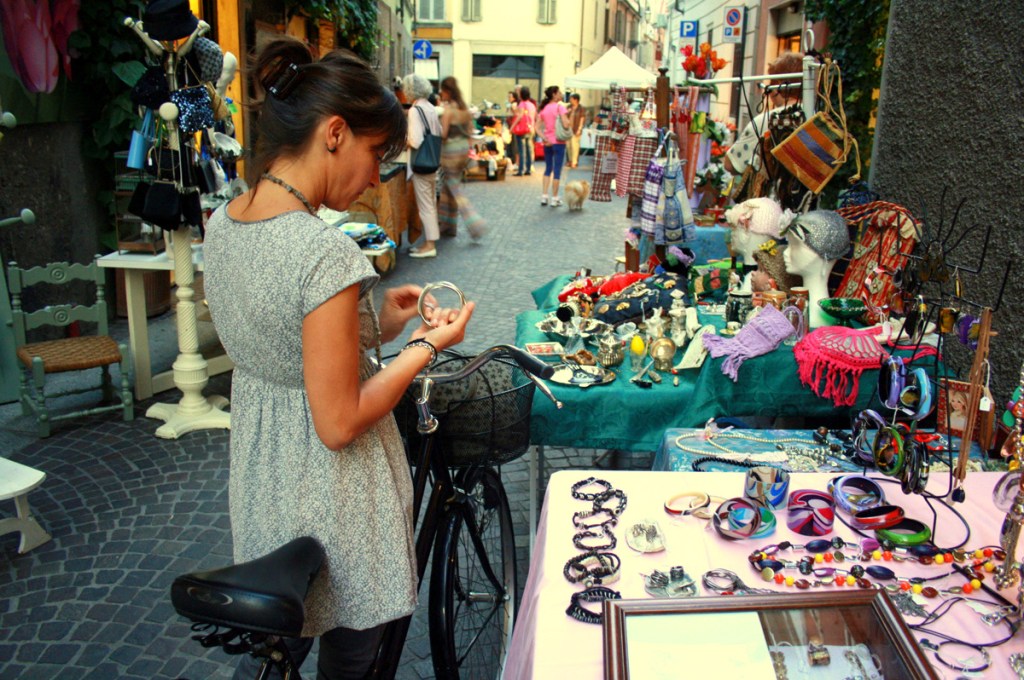
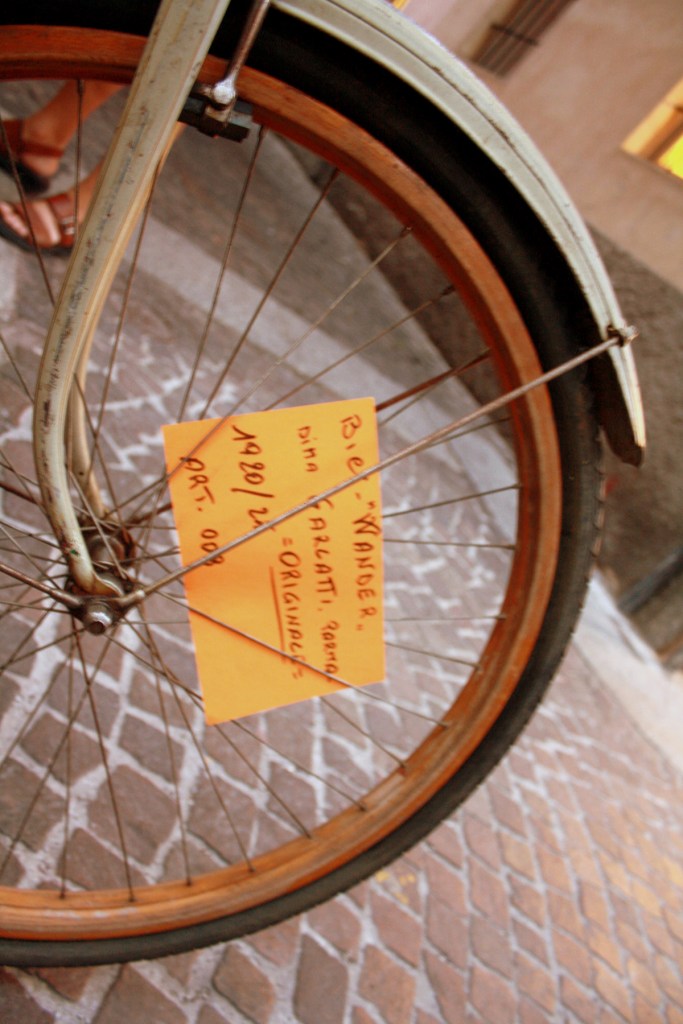
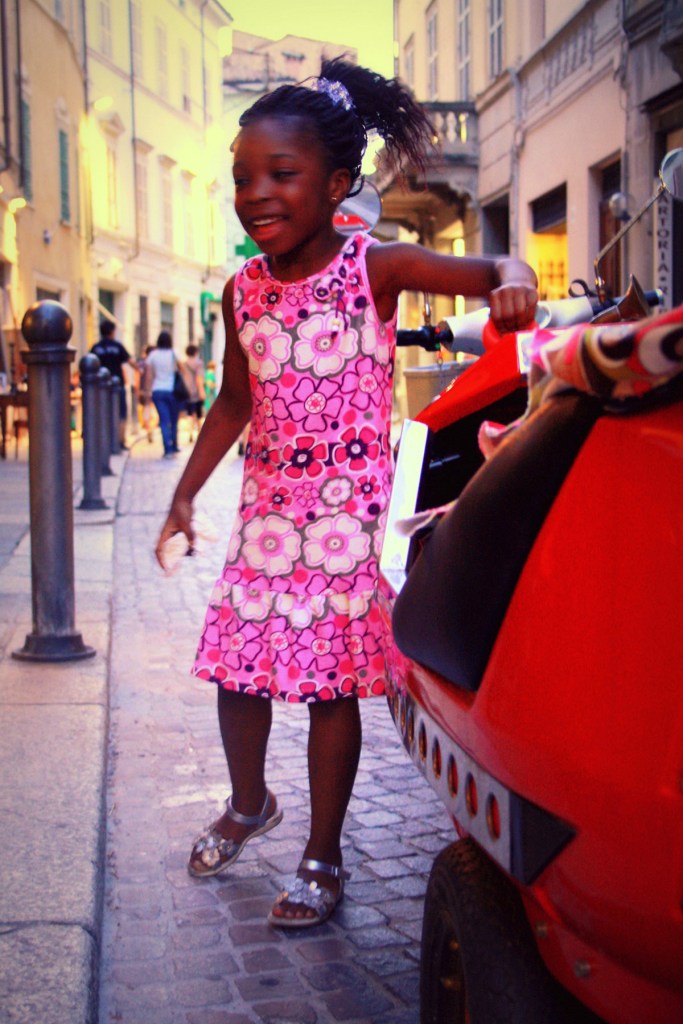
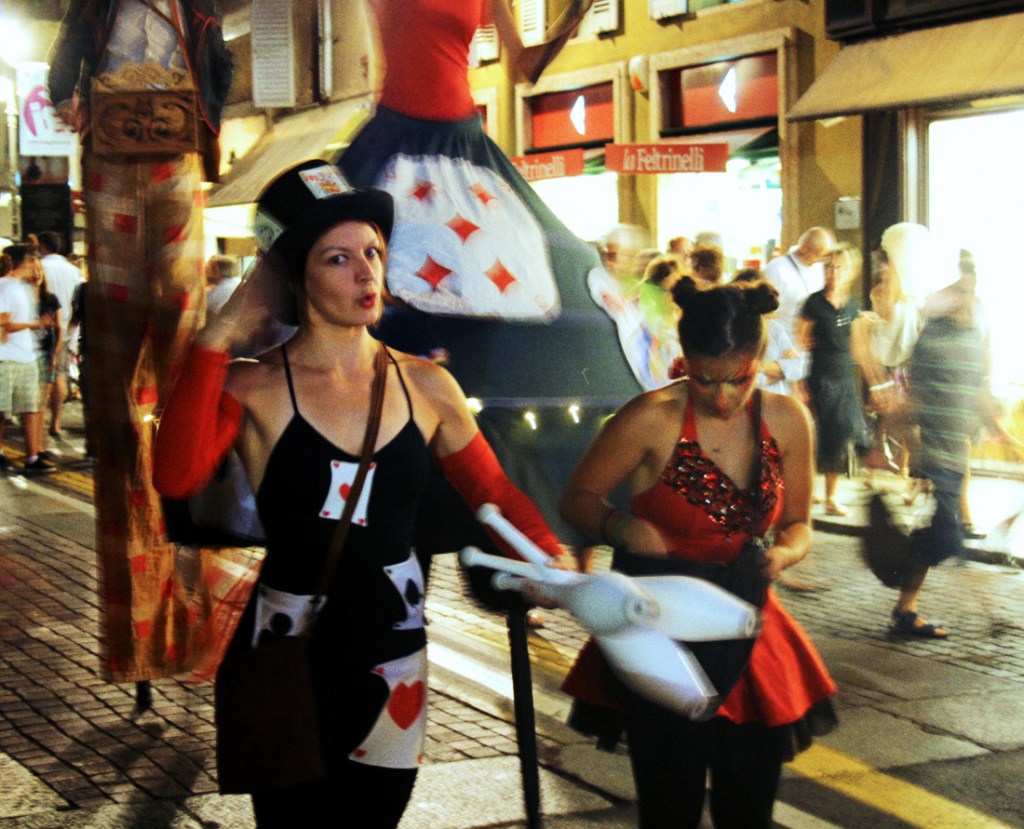
About BoulevArt: The aim of BoulevArt (a Festival of Street Arts) was to invade the city’s historic centre, offering photographic sets, open-air art galleries, backdrops for music and dance performances. People were involved in experiencing art under various forms. And the appealing part was that shops, trattorias & pubs in the city centre were involved in hosting artists, and remained open until midnight.

Also, it’s a fact that miniature schnauzers are the best!!

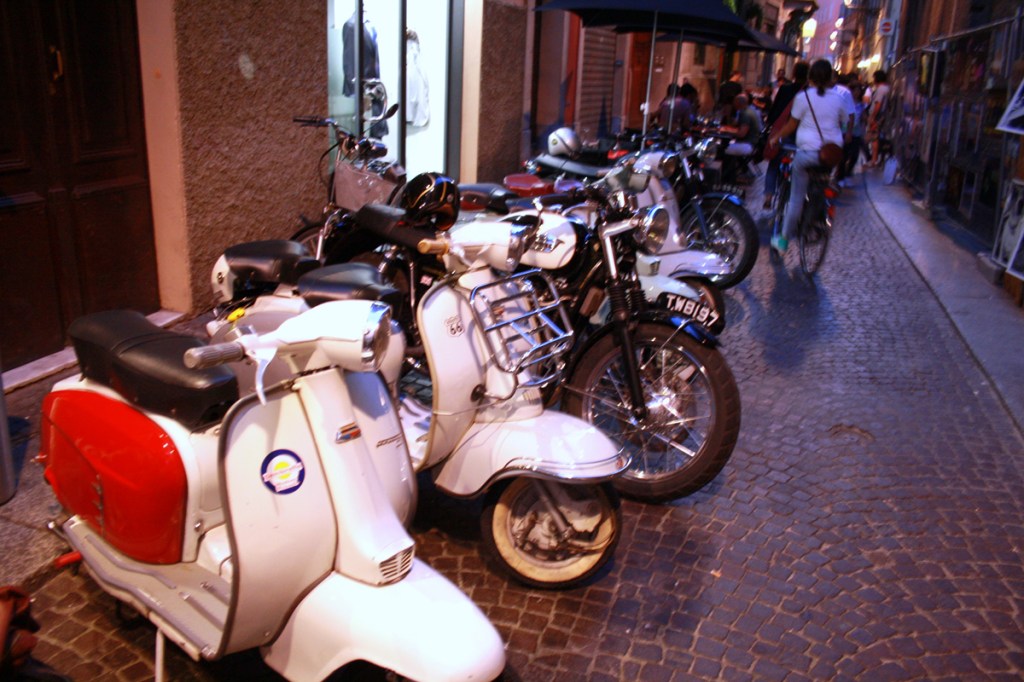
Enjoy some street snapshots!